Thailand's textile and apparel (T&A) sector is navigating a period of structural recalibration, with recent data revealing a nuanced divergence between upstream production and finished apparel. While aggregate export values for the sector reached US$1.84 billion in Q1, FY26 – a marginal 1.1 per cent Y-o-Y increase.
Internal performance metrics highlight contrasting fortunes.
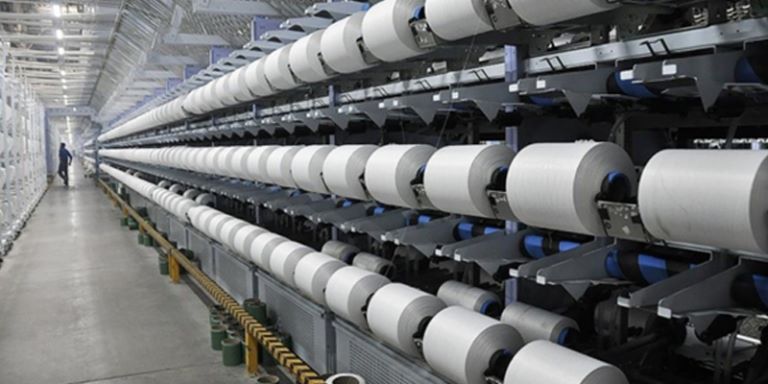
Textile exports, specifically fiber and fabric shipments,recorded a growth of 6.37 per cent to US$1.139 billion, underscoring Thailand's enduring strength as a reliable supplier of high-quality intermediary inputs. Conversely, the finished garment segment experienced a contraction of 6.43 per cent, falling to US$701 million as global apparel demand remained suppressed by persistent inflationary pressures in key Western markets.
Strategic integration into regional manufacturing
The industry's current trajectory reflects a deliberate transition toward high-value, processed textile inputs rather than reliance on basic raw material volume. Thai manufacturers are increasingly optimizing their role as a critical downstream hub for regional supply chains, a shift validated by the rising share of imported fabrics intended for value-added conversion. Their ability to provide consistent craftsmanship and compliance-ready manufacturing helps keep them competitive despite the global slowdown in mass-market fashion, notes a regional industry analyst. This stability is boosted by Thailand's mature infrastructure and its ability to offer smaller, flexible development cycles that larger, low-cost manufacturing hubs struggle to accommodate. As the country looks toward H2, FY26, the focus remains on leveraging regional trade corridors and nearshoring advantages to offset softening external demand.
Eyeing long-term export stability with value-added production
The Thai textile and apparel sector is a mature, export-oriented manufacturing hub specializing in high-quality fabrics, technical textiles, and precision garment finishing. It serves major markets including the US, EU, and Japan. The industry currently prioritizes value-added production, sustainability, and regional supply chain integration to achieve long-term export stability.