RMG exports from India have been falling continuously over the past few months. Apparel exports have been plummeting since October 2017. There was a sharp fall of 16.6 per cent in May 2018. The main problem faced by the garments industry is the block in GST refunds, slow disbursements in Rebates on State Levies (RoSL) and the sharp decline in RoSL rates which has led to working capital’s drying up.
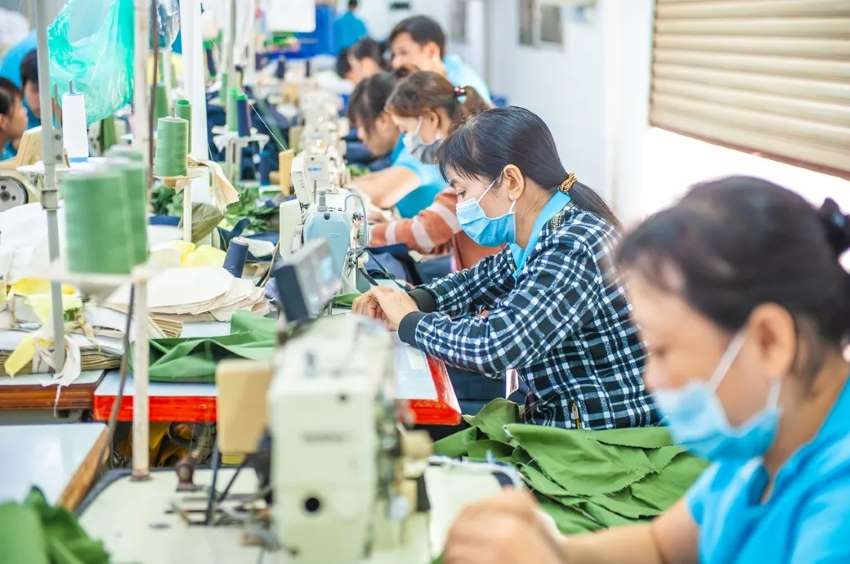
While the larger units have somehow managed to survive, many small units are not in a position to take orders. Exporters have not been able to book orders in the peak summer season and losing markets to competitors from other countries such as Bangladesh and Vietnam.
To help garment exporters, the Merchandise Export from India Scheme for garments and made-ups has been extended indefinitely. Under the MEIS scheme, garment and made-up exporters get duty exemption scrips, freely transferable for cash, worth four per cent of their total exports. The rate of incentive for the two sectors was doubled to four per cent from two per cent in October 2017 when exports started slipping. As a result, India’s overall cotton exports are likely to rise 21 per cent for the cotton year ending this September.
- 1
- 2
- 3
- 4
- 5
- 6
- 7
- 8
- 9
- 10
Britain’s Forgotten Growth Engine: Why policy gaps are undermining fashion and t…
Britain’s fashion and textile industry, often framed through the lens of creativity and design, is emerging as a case study... Read more
Beyond price rallies structural reform can strengthen India’s cotton economy
India’s cotton economy is entering a decisive phase, where firmer prices and tighter arrivals in the 2026-27 season have given... Read more
Polyester volatility redraws India’s textile industry competitive map across Asi…
India’s synthetic textile industry has entered a phase of cost instability as polyester staple fibre (PSF) prices rise across domestic... Read more
The £7 Billion Question: Who pays for fashion’s ‘free rental’ habit?
The global fashion industry is facing an uncomfortable paradox: its most valuable customers may also be its most destructive. A... Read more
India, China Bangladesh face fresh headwinds as global apparel markets rebalance
Global apparel trade is entering a more uneven recovery phase, with demand growth persisting but losing uniform momentum across major... Read more
Global cotton enters a deficit year in 2026 as supply drop meets logistics risk
The global cotton economy has entered a fragile and sensitive phase. Early projections for the 2026-27 season suggest that world... Read more
India’s textile trade gets a Pacific push as New Zealand FTA removes tariff barr…
India and New Zealand have inked a ‘once-in-a-generation’ Free Trade Agreement (FTA), one that will have a profound impact on... Read more
Lululemon’s world-first nylon circularity push signals a new apparel arms race
The global apparel industry’s circularity narrative is entering a more technically demanding phase. Polyester recycling once the flagship of sustainable... Read more
Beyond the DTC Rush: Levi’s hybrid channel strategy sets a new retail benchmark
The global apparel sector is entering a phase where channel strategy is no longer a tactical lever but a core... Read more
The New Rules of Resale: EPR turning secondhand into fashion’s strategic growth …
The global fashion industry is facing a decisive regulatory and commercial reset. What began as a sustainability narrative around reuse... Read more