Indian exports of silk waste yarn increased by 141.08 per cent in fiscal 2011. There was a slump of 47.60 per cent in ’12. In fiscal year 2012-13, exports grew by 1.19 per cent, while in ’14 growth was 70.33 per cent. In 2014-15, exports once again dipped by 28.57 per cent. The key nations to which India exports yarn spun from silk waste are Indonesia, Singapore, South Korea, Thailand, Vietnam, Cambodia, Philippines, Laos, South Africa, Guyana, Iran, Malaysia, Hong Kong, Japan, Belgium, France, Spain, Bangladesh and Nepal.
Silk waste includes all kinds of raw silk which may be unwindable and hence, unsuited to the throwing process. Since the product has been degummed it can be easily dyed. Silk waste is produced from the reeling process. The fine yarn is removed from cocoons and the left over is called silk waste. Thrown silk waste happens when things go wrong at the mill. The fibers get tangled around the machinery or in some other way become unable to be used for finished yarn.
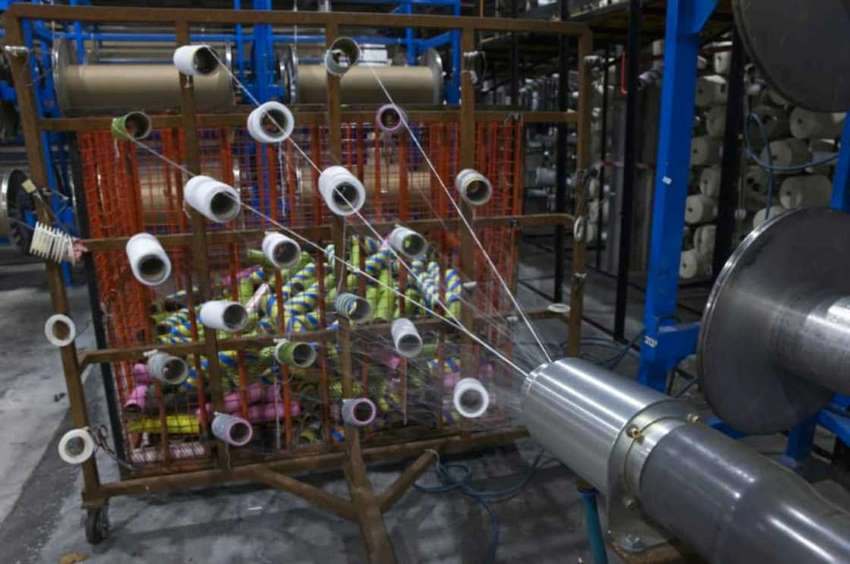
Throwster silk yarn waste is processed in order to impart optimum strength. The recycled yarn is made of throwster yarn waste that can be used in carpets, knittings, embroidery and other fancy lace works.

- 1
- 2
- 3
- 4
- 5
- 6
- 7
- 8
- 9
- 10
From cotton peaks to polyester pressures, textile supply chains face a reset
The assumption that textile supply chains can absorb periodic swings in cotton prices has become untenable. During the first seven... Read more
Global sourcing reset exposes India’s apparel competitiveness gap
The assumption that global apparel sourcing would naturally shift from China to India is proving increasingly misplaced. Fresh trade data... Read more
The new fashion equation, quality, agility and value replace speed and discounts
The traditional order that once separated low-cost fast fashion from premium luxury is steadily breaking down as consumers become more... Read more
AI goes invisible as fashion brands rewire design studios
The fashion industry's digital transformation is entering a new phase. After investing heavily in sophisticated 3D computer-aided design (CAD) platforms... Read more
Natural fibers gain ground as global retail pushes back against polyester
A change is underway across the global textile industry as consumer preferences begin to alter sourcing decisions that have long... Read more
From exclusivity to engagement, luxury retail rewrites its growth strategy for 2…
The global luxury industry is entering a different growth cycle. After years of post-pandemic spending riding on affluent consumers and... Read more
Shaping the future of fashion at BRICS+ 2026
The upcoming BRICS+ Fashion Summit in Moscow promises to be a pivotal international gathering, offering a dedicated platform for fast-growing... Read more
The 10.3 mn-tonne cotton trade boom will be driven by scarcity, not surplus
The global cotton trade is entering an unusual expansion phase. Trade volumes are expected to rise steadily over the next... Read more
From Volume to Value: How fashion supply chains are defending margins through 20…
For decades, the global textile and apparel industry measured success through factory utilisation. Full order books, high machine occupancy and... Read more
The new retail math, smaller footprint, faster returns, sharper focus
The US retail industry is passing through one of its most impactful change in decades. What appears on the surface... Read more