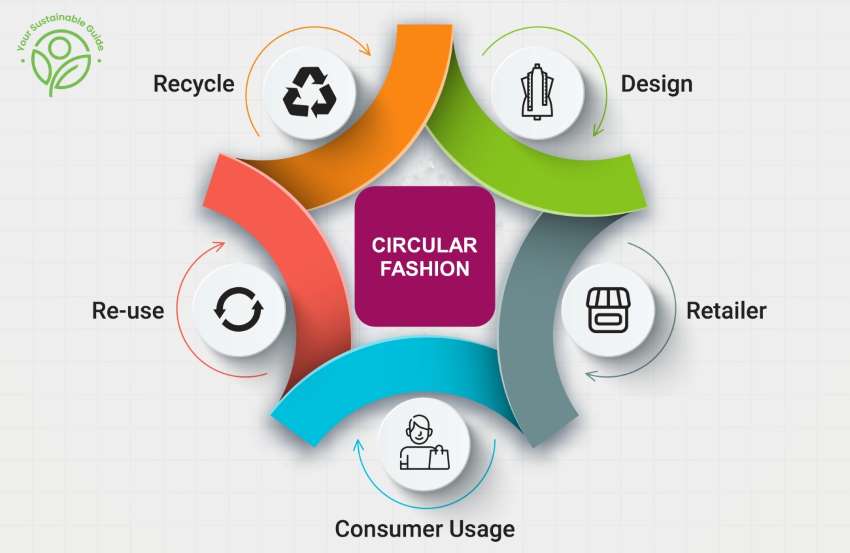
The bilateral trade framework between South Asia and Europe has reached a notable milestone following the formalization of a strategic agreement between Bangladesh and the Netherlands. Designed to accelerate sustainable industrialization, the newly signed MoU focuses on integrating circular economy principles directly into the ready-made garment and textile supply chains. As international compliance mandates and environmental standards tighten across Western retail markets, this diplomatic and commercial pact seeks to optimize resource efficiency, minimize industrial waste, and expand green technology adoption across local manufacturing units.
Upgrading manufacturing infrastructure for global competitiveness
With domestic textile mills facing mounting pressure to reduce carbon footprints and eliminate hazardous discharge, the collaborative framework emphasizes advanced waste recycling and cleaner production systems. Industry stakeholders note, transitioning away from traditional linear production models is no longer optional for maintaining long-term export viability, particularly as international apparel brands demand verified traceability. This MoU is an important milestone in advancing our partnership towards a greener, more resilient and future-oriented economy, states Khandakar Abdul Muktadir, Commerce Minister, Bangladesh. By combining Dutch green technologies with South Asian manufacturing scale, the initiative aims to safeguard regional market share against escalating ecological compliance hurdles.
Bilateral cooperation and sustainable trade profile
The bilateral pact unites government bodies, financial institutions, and industry associations from Bangladesh and the Netherlands to foster sustainable textile manufacturing. Focusing on resource conservation, green employment, and advanced recycling infrastructure, the initiative supports emerging market producers in meeting stringent international environmental benchmarks.