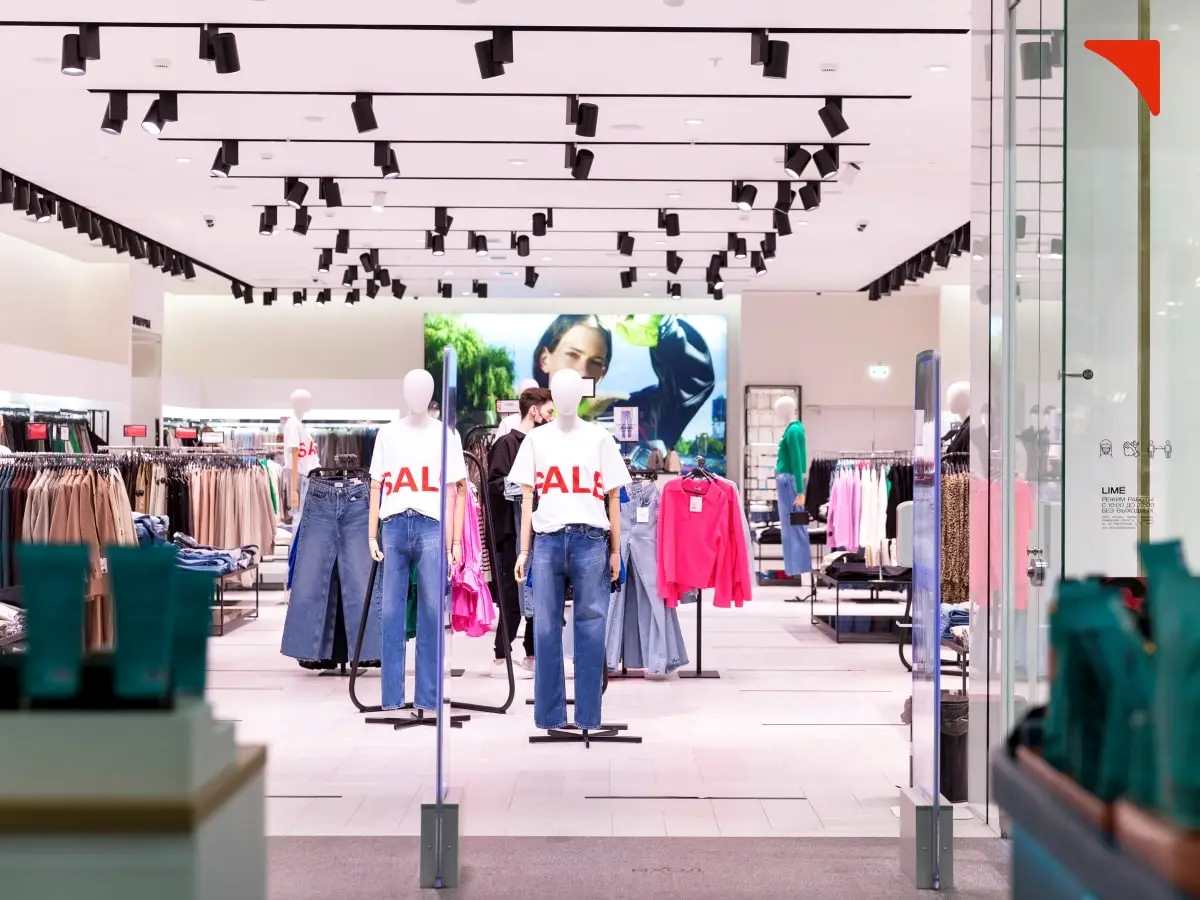
Independent apparel and textile retailers are increasingly turning to community-centric business models to secure long-term viability against larger e-commerce players. According to the Voices of Retail 2026 report, while 89 per cent of retailers report measurable commercial gains from local collaborations - such as cross-promotions and shared shopping events - only 23 per cent currently employ this strategy. In the fashion sector, this shift is critical; as consumers move away from price-driven transactions toward experience-led purchasing, boutique apparel stores are finding that hosting styling workshops or local designer showcases generates higher customer lifetime value than traditional discounting.
Human-centric growth models
The data indicates, 46 per cent of consumers now prioritize retailers that actively foster a sense of community. For independent textile businesses, this manifests in the creation of in-store experiences that turn passive shoppers into brand advocates. Retailers focusing on these intangible touchpoints, such as personalized fitting events or local textile craft displays, are reporting higher resilience to economic fluctuations. By bridging the experience gap through consistent, repeatable human interactions, independent fashion outlets are effectively converting high street footfall into sustainable revenue streams, proving that modern retail success relies more on local relevance than on competing solely on inventory volume or aggressive pricing.
Held annually at the Birmingham NEC, Spring & Autumn Fair serves as the UK’s premier wholesale marketplace for the home, gift, fashion, and garden sectors. By facilitating direct connections between independent brands and retail buyers, the platform aims to catalyze growth for high-street businesses through data-driven industry insights and trade networking.