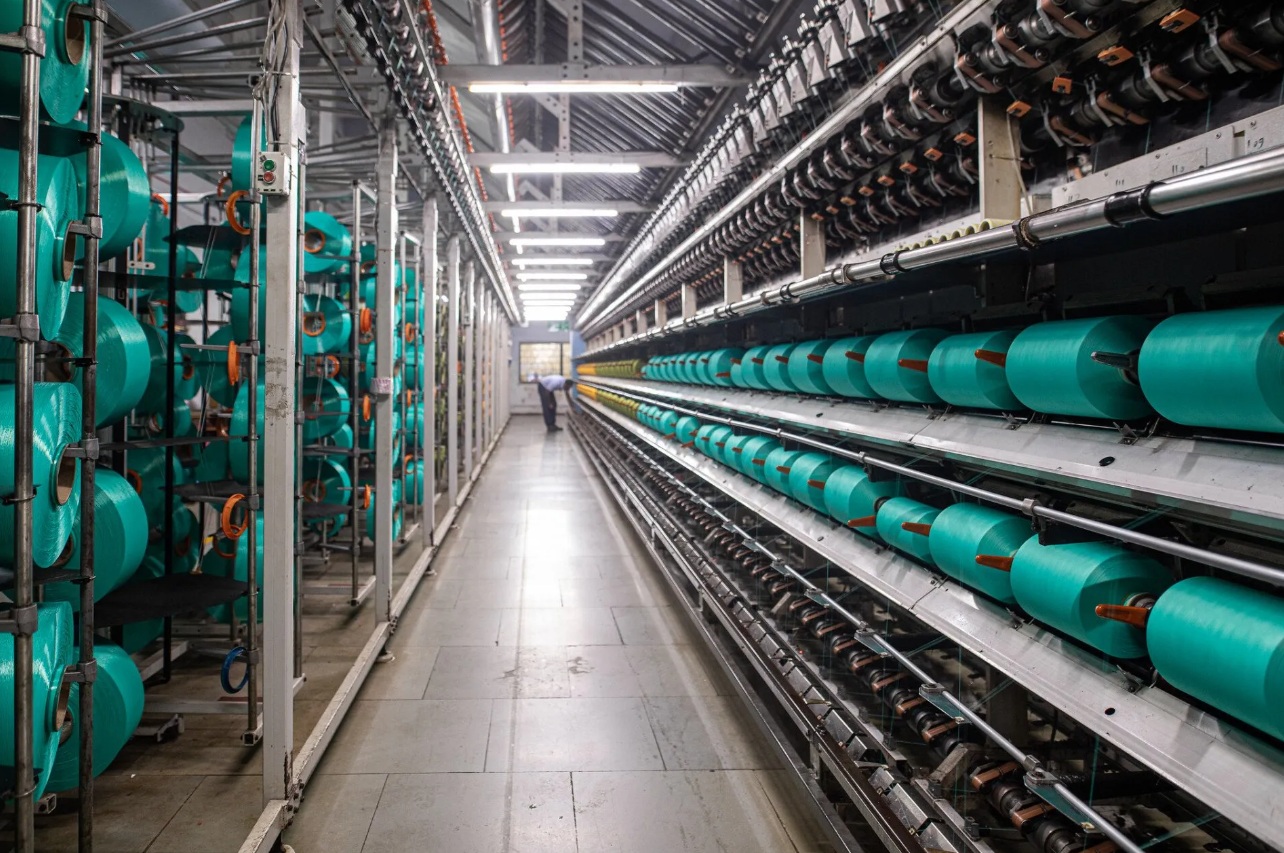
Hong Kong’s apparel elite are intensifying their presence in North Africa, transitioning from simple sourcing to high-stakes industrial ownership. On February 15, 2026, HSBC Egypt and the Hong Kong Trade Development Council (HKTDC) formalized a garment trade corridor in Cairo, spotlighting Crystal International Group’s landmark $350 million investment. This 800,000-sq-m complex in New October City represents a structural shift toward vertical integration, encompassing spinning, weaving, and advanced dyeing.
By localizing the entire value chain, Hong Kong manufacturers - who supply global giants like Uniqlo and Levi's - are effectively insulating themselves from Asian logistics volatility and high shipping costs. Katherine Fang, CEO, Fang Brothers Holdings, characterized the move as a ‘strategic export base’ that leverages Egypt’s proximity to European and U.S. consumer markets.
Trade agreements fueling a $4.4 billion export target
The mission arrives as Egypt’s apparel exports are projected to hit a record $4.4 billion by the end of 2026, a 22 per cent Y-o-Y increase. This momentum is heavily underpinned by the Qualified Industrial Zones (QIZ) program, which grants duty-free access to the United States. While national textile growth remains modest in other regions, Egypt’s Suez Canal Economic Zone (SCZone) has secured over $1.35 billion in sector-specific foreign direct investment. However, the transition faces headwinds: rising energy costs and the necessity of meeting the EU’s 2026 Digital Product Passport mandates for traceability. To counter these, the new Hong Kong-backed hubs are integrating blockchain tracking for premium Giza cotton and adopting renewable energy frameworks to ensure long-term commercial viability in a regulation-heavy global market.
Crystal International is a Hong Kong-listed global apparel manufacturer specializing in denim, knits, and intimate wear. Operating across Asia and Africa, the group is currently executing a multi-phase ‘near-shoring’ strategy in Egypt to serve Western markets. With 2025 revenues showing resilient margins, their 2026 Cairo expansion aims to create 20,000 jobs through sustainable, vertically integrated production.