The global textile recycling market is undergoing a structural transition, projected to reach $9.94 billion by 2033 with a steady CAGR of 5.79 per cent. This expansion is increasingly governed by aggressive regulatory frameworks rather than voluntary corporate pledges. In February 2026, the European Commission implemented a landmark ban on the destruction of unsold textiles under the Ecodesign for Sustainable Products Regulation (ESPR). Simultaneously, India updated its Solid Waste Management Rules to mandate four-stream waste segregation. These policy shifts are forcing garment manufacturers to integrate circularity into primary production lines to maintain access to key export markets.
Chemical recycling breaks the fiber-blend barrier
While mechanical recycling remains cost-effective for mono-materials like cotton, chemical recycling has emerged as the dominant technological frontier, now accounting for over 52 per cent of the process market. This method addresses the industry’s ‘final hurdle’: the separation of complex synthetic blends. Industry leaders are capitalizing on this via significant infrastructure investments, such as the $390 million North American recycling hub established in early 2026. These facilities utilize depolymerization to recover virgin-quality polyester, allowing manufacturers to reduce reliance on volatile raw material markets while meeting the rising demand for high-performance, recycled-content fabrics.
Operational challenges in feedstock consistency
Despite technological gains, the sector faces a persistent ‘quality gap’ in post-consumer waste streams. Approximately 60 per cent of collected garments are currently categorized as low-quality or contaminated, complicating the transition to a true closed-loop system. To mitigate this, manufacturers are adopting AI-powered sorting and digital product passports to enhance traceability. The industry is moving from bulk collection to precision recovery, notes a leading sector analyst. By prioritizing fiber purity and automated sorting, textile firms are transforming waste management from a cost center into a resilient secondary raw material supply chain.
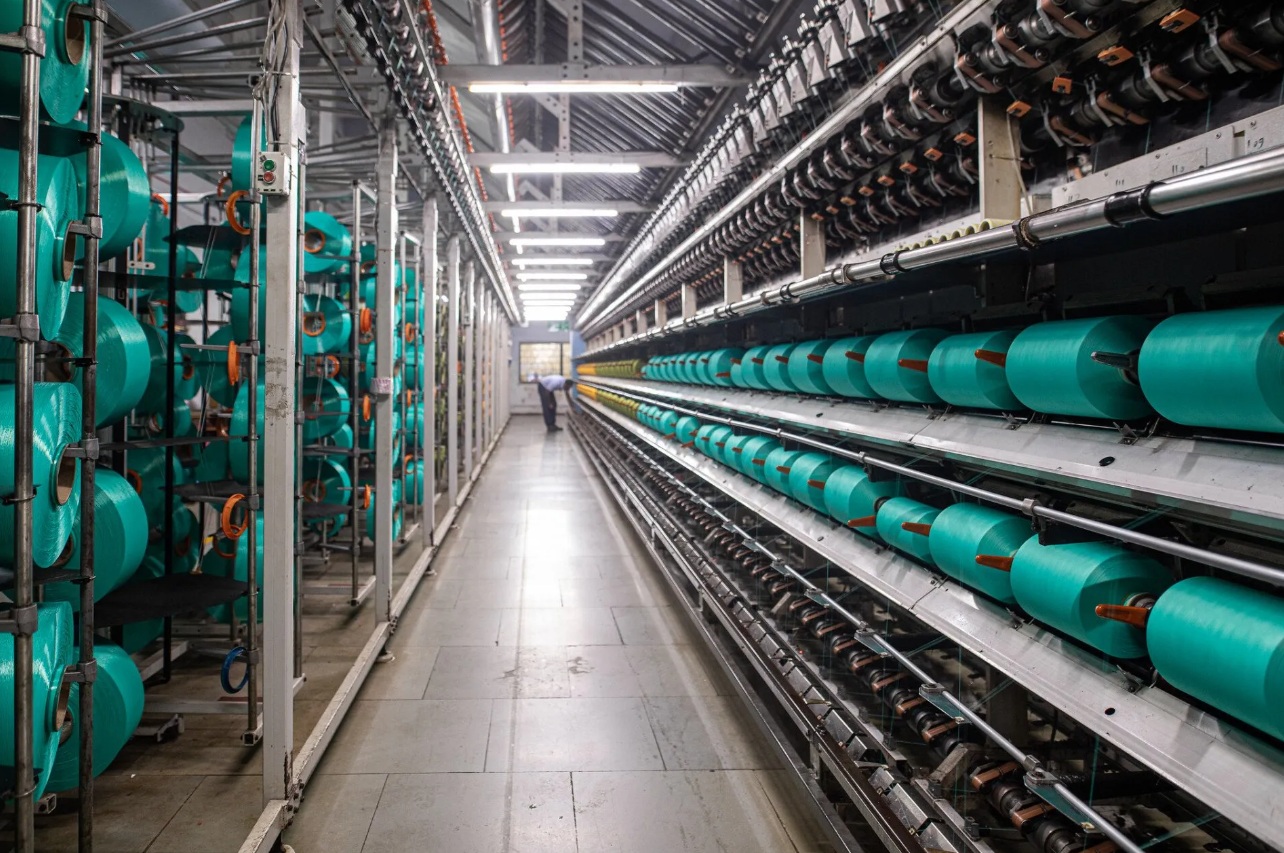
The textile recycling sector focuses on the conversion of pre-consumer scraps and post-consumer apparel into reusable fibers. Primary products include recycled polyester and cotton, serving the apparel and automotive industries. Current growth is fueled by a shift toward chemical recycling and mandatory ESG compliance across Asian and European manufacturing hubs.