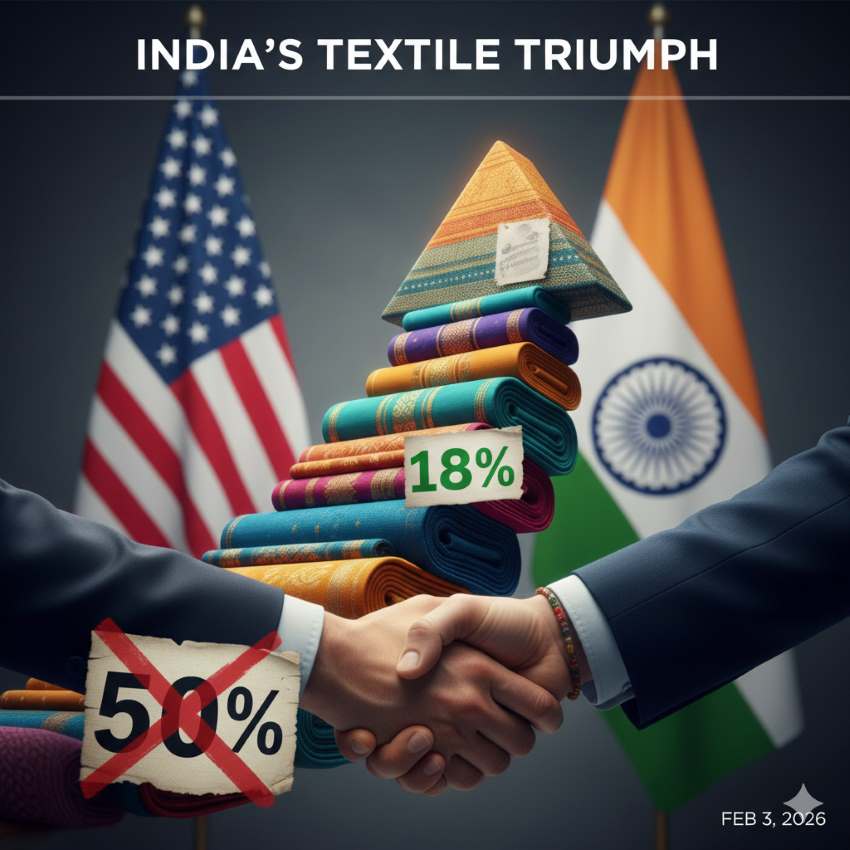
The structural premiumization of India’s textile and apparel sector has encountered a strategic recalibration in early 2026. While the ‘accessible premium’ segment continues its trajectory with a 25 per cent CAGR, a robust recovery in the rural heartland - where consumption rose 7.7 per cent Y-o-Y in Q2 FY26 - has prompted a sector-wide revival of entry-level and value-driven product portfolios. This dual-speed market is forcing manufacturers to balance high-margin technical textiles with high-volume basic apparel to capture a rural cohort that is now outperforming urban markets for the first time in 17 quarters.
Shift to value-driven manufacturing
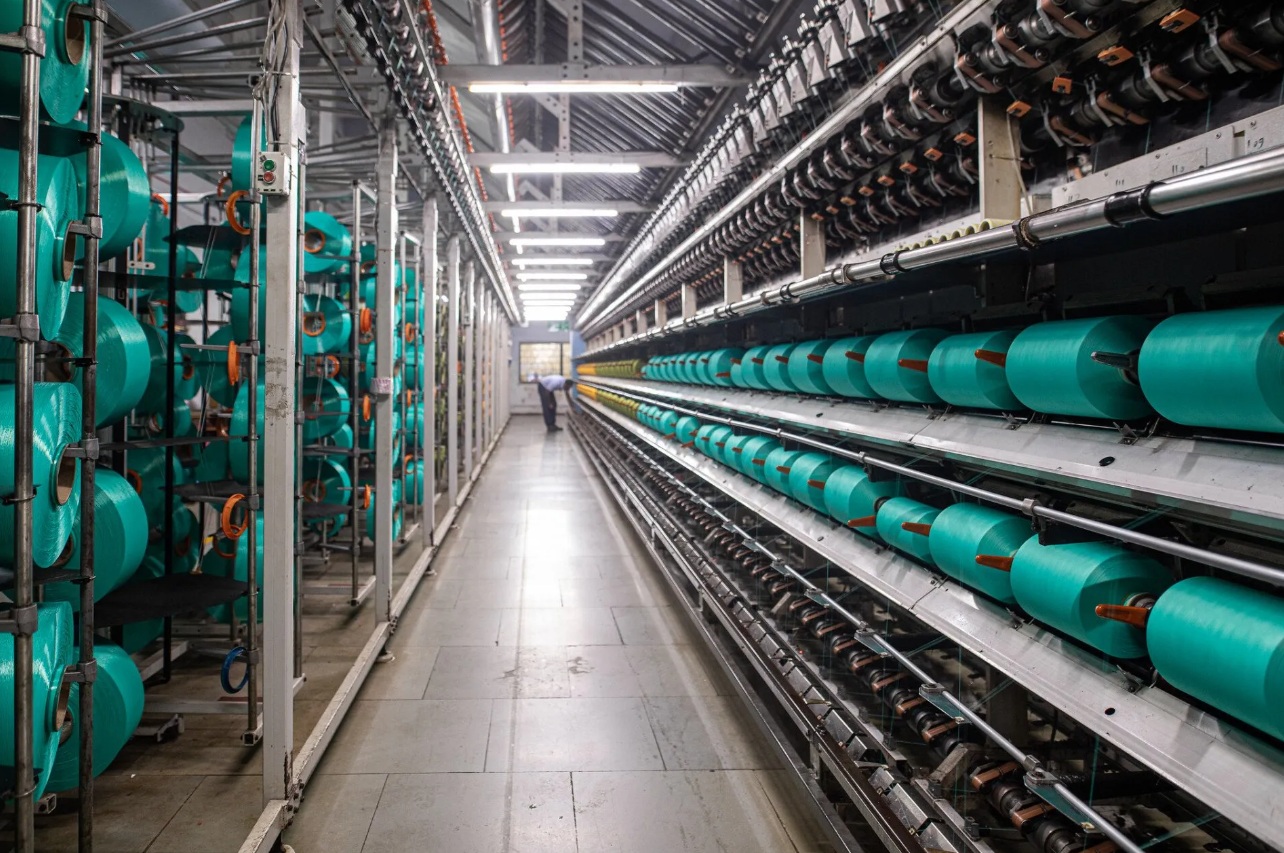
Industrial leaders are optimizing production lines to cater to this ‘bottom-of-the-pyramid’ growth. Currently estimated at Rs 3.5 lakh crore, the value fashion segment is projected to grow to Rs 5 lakh crore by 2030, fueled by a 3.6 per cent volume growth in 2026. Major vertically integrated players like Vardhman and RSWM are maintaining steady toplines - reporting Rs 2,452 crore and Rs 1,093 crore in Q3 FY26 respectively - by diversifying into blended yarns that offer durability at lower price points. This shift is further supported by the Union Budget 2026–27, which introduced the National Fiber Scheme to enhance the availability of low-cost man-made fibers, ensuring supply chain resilience against volatile cotton prices.
Policy catalysts and retail footprint expansion
The operational landscape is shifting towards Tier-II and Tier-III cities, where organized retail penetration is accelerating at 10–13 per cent. Retailers are leveraging the recently notified Labor Codes and GST rationalization for apparel priced below Rs 2,500 to maintain competitive pricing. The 2026 strategy is about 'mass-premiumization' - delivering branded quality to the price-sensitive rural consumer, notes a lead analyst. With 99 per cent 5G coverage enabling a 25 per cent e-commerce penetration, the sector is integrating ‘Phygital’ models to reach dark stores in rural clusters, effectively turning traditional volume-led segments into the industry's primary stabilizer amid fluctuating global export demand.
The Indian textile sector manages the end-to-end value chain from fiber to finished apparel, serving as India's second-largest employer. With a Vision 2030 export target of Rs 9 lakh crore, the industry is currently modernizing via seven mega textile parks. Financially, the sector shows resilience with a 10.5 per cent projected revenue increase for FY26.