Bangladesh and Cambodia are working on a trade deal. This may eventually lead to a bilateral trade agreement that would drop tariffs on imports. Both countries are dependent on the garment industry as the main driver of economic growth, so they are looking at ways that trade can complement each other’s growth. A bilateral trade deal could lead to further garment production despite the countries’ competing for the same global market. If Cambodia could receive tariff-free leather, it would help bolster the kingdom’s travel goods sector, which last July received duty-free access to the United States.
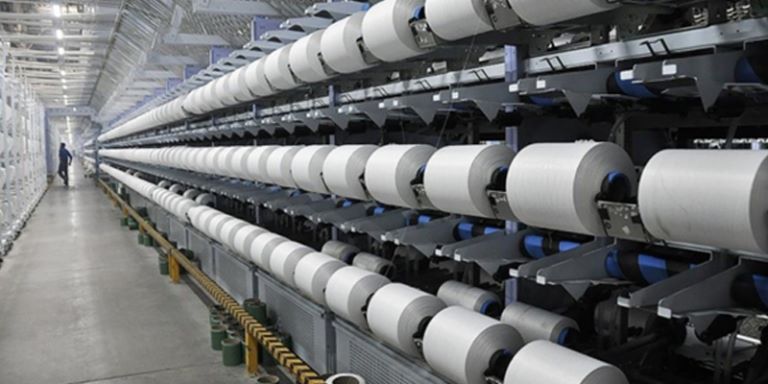
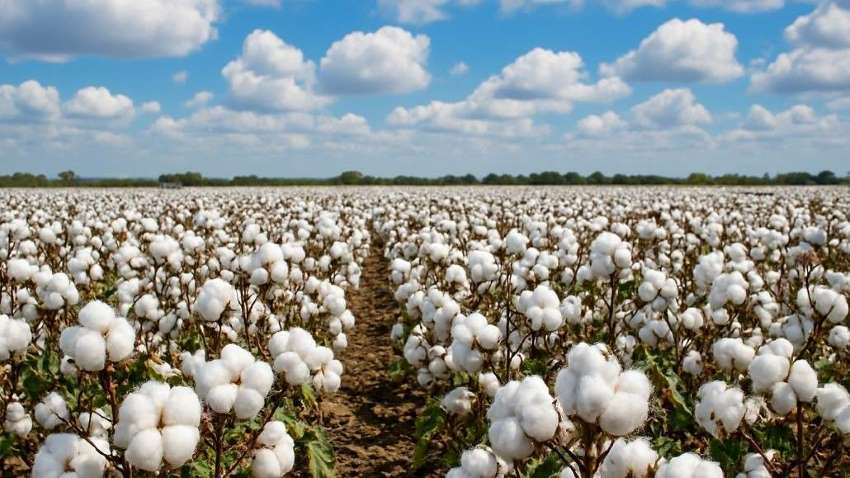
Agreement has been reached on which products and items Cambodia will allow Bangladesh to import and export tariff free. Trade between the two developing nations has been minimal, amounting to just $6.7 million annually. Bangladesh’s main exports to Cambodia include garments, footwear and leather goods while Cambodia primarily exports cotton, cooking oil and fertiliser.
The countries may work to create a labor-sharing agreement that would allow Bangladeshi workers to migrate to Cambodia to fill the garment sector’s skills gap as it produces higher value-added goods. Having workers come from Bangladesh to Cambodia would be good for Cambodia because it would support future growth in manufacturing capabilities.

- 1
- 2
- 3
- 4
- 5
- 6
- 7
- 8
- 9
- 10
Retail’s new growth map in China, rise of premium wealth, senior spending
For decades, global fashion and retail companies built their China strategies around the rapid expansion of an aspirational middle class... Read more
Post-peak correction global cotton markets adjust amid shifting fundamentals
Following a period of aggressive increase, global cotton benchmarks have entered a cooling phase. The bullish momentum that propelled prices... Read more
From Runway Blueprint to Retail Rack: How Milano’s ‘Ready to Show’ shapes global…
As the fashion elite prepare their calendars for the Spring/Summer 2027 runway shows, an equally vital, multi-billion-dollar machinery is quietly... Read more
Natural fibers gain ground as microplastic awareness alters apparel demand
The global apparel industry is entering a new phase of disruption as consumer concern over microplastic pollution begins to materially... Read more
Global cotton output declines, raising stakes for spinners and fabric makers
A simultaneous drop across the global natural fiber sector is reshuffle-mapping trading dynamics for international textile mills, yarn spinners, and... Read more
Apparel’s inflation premium in the US signals a tough road for retailers
The latest inflation data from the U.S. Bureau of Labor Statistics has conveyed an important warning for the fashion and... Read more
The Alchemy of Adornment: Decoding the ‘Runway Trends’ and ‘Sartorial Shifts’ of…
As the global luxury sector navigates shifting economic currents, Milan continues to solidify its role as the definitive compass for... Read more
Engineered to Perform: How bio-based textiles are rewiring the $1.15 trillion at…
The global athleisure industry is entering a reset as the next phase of competition shifts from celebrity endorsements and logo... Read more
China’s inward turn, domestic demand is rewriting the export model
China is undergoing one of its most consequential economic recalibrations in decades, driven by geopolitical instability, rising Western protectionism, and... Read more
Why Shein sees itself as a technology company, not a fashion brand
The modern fashion industry has traditionally been defined by creativity, merchandising expertise and global sourcing networks. Yet few companies have... Read more