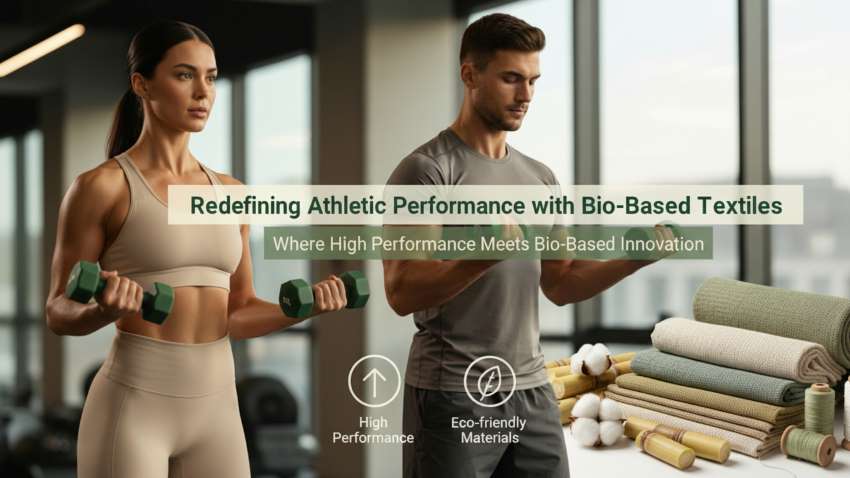
The global athleisure industry is entering a reset as the next phase of competition shifts from celebrity endorsements and logo visibility to material engineering and textile innovation. What was once a brand-led market is rapidly evolving into a technology-led sector where the competitive advantage increasingly lies inside the fabric rather than on the label.
The transformation comes at an important moment for the activewear industry. Global demand remains robust, but leading incumbents are facing slowing growth, margin pressure and growing investor skepticism. At the same time, tightening environmental regulations and changing consumer priorities are accelerating the rise of bio-based performance materials. The result is a new industrial race centered on engineered performance garments designed through molecular-level textile science rather than petroleum-heavy synthetic chemistry.
Premium growth shifts to engineered performance
The global activewear market is projected to be worth $536.8 billion in 2026 and reach nearly $756.3 billion by 2030, placing the sector on track toward a long-term trillion-dollar opportunity. Yet beneath the growth figures, the composition of demand is changing rapidly. Consumers in the premium segment are increasingly prioritizing functionality, chemical safety and sustainability transparency over traditional brand loyalty.
Analysts note that affluent shoppers are no longer satisfied with broad sustainability claims; they now expect detailed disclosure on fiber origin, material composition and manufacturing processes. This shift is reshaping growth patterns across the industry.
Table: Global athleisure market outlook (2025-30)
|
Metric |
Value in 2025 |
Forecast 2026 |
Projection 2030 |
CAGR |
|
Total Market Size |
$486.06 bn |
$536.81 bn |
$756.25 bn |
10.40% |
|
Sustainable Segment |
$108.08 bn |
$117.37 bn |
$164.11 bn |
8.60% |
|
Bio-based Textiles |
$49.84 bn (2024) |
$54.07 bn |
$81.31 bn |
8.50% |
The shift is particularly visible in premium activewear, where performance specifications are increasingly becoming a purchasing trigger. Material-first storytelling is now directly influencing conversion rates and consumer retention.
Investor anxiety exposes the limits of legacy brands
The market turbulence surrounding major global sportswear brands illustrates the scale of this transition. Lululemon, long viewed as the defining force behind the modern athleisure boom, faced sharp investor backlash in 2026 after appointing former Nike executive Heidi O’Neill as CEO. Investors interpreted the move as a continuation of legacy retail thinking at a time when the market is demanding technological reinvention.
The concern reflects broader weakness across the traditional sportswear ecosystem. Nike’s market capitalization erased nearly $28 billion in a single trading session in late 2024, while fiscal 2025 revenues remained largely stagnant between $46 billion and $51 billion.
Lululemon itself is under mounting operational pressure despite targeting $11.5 billion in annual revenue. Rising logistics costs and inventory pressures have already compressed operating margins by 380 basis points, exposing the vulnerability of conventional growth models dependent on scale expansion and brand positioning.
The emerging challenge for incumbents is that premium consumers are beginning to evaluate garments with the scrutiny once reserved for electronics or automobiles. Technical specifications are becoming more influential than advertising narratives.
Regulation strengthens textile science race
A major catalyst behind the industry reset is the tightening regulatory environment surrounding PFAS, per- and polyfluoroalkyl substances commonly known as forever chemicals.
Beginning January 2026, France implemented sweeping restrictions on PFAS use in textiles and footwear, with California and several Nordic markets following similar regulatory pathways. The new rules are forcing brands to reassess decades of reliance on synthetic membranes and chemical coatings used in high-performance apparel. The implications are enormous for global supply chains.
Large sections of legacy performance inventory are now at risk of regulatory non-compliance, particularly in outerwear and technical sportswear categories historically dependent on petroleum-derived treatments. As a result, textile manufacturers are pivoting toward mechanical engineering solutions instead of chemical enhancement. High-density weaving, pressure-finishing and advanced fabric construction techniques are emerging as alternatives to synthetic coatings.
Industry estimates suggest that 57 per cent of apparel brands are actively replacing synthetic inputs to avoid future compliance risks. Simultaneously, 64 per cent of consumers now rank chemical safety ahead of traditional brand prestige when evaluating premium apparel purchases. The regulatory shift is therefore not merely environmental policy; it is becoming a direct commercial differentiator.
The rise of petroleum-free performance apparel
One of the most significant developments in this transition is the emergence of fully petroleum-free technical garments. The collaboration between ARMEDANGELS, the Lenzing Group and designer Johannes Fürst has become an important proof-of-concept for the sector. Their newly developed windbreaker, constructed entirely from Tencel Lyocell Ripstop, eliminates petroleum synthetics, chemical membranes and PFAS treatments altogether.
Instead of relying on plastic-based coatings, the garment achieves 97 per cent wind resistance through high-density weaving and digitally engineered 3D construction methods that comply with ISO 9237 testing standards.
The commercial results have been equally significant. According to company data, detailed material-focused product descriptions generated a 29.9 per cent increase in conversion rates during consumer A/B testing.
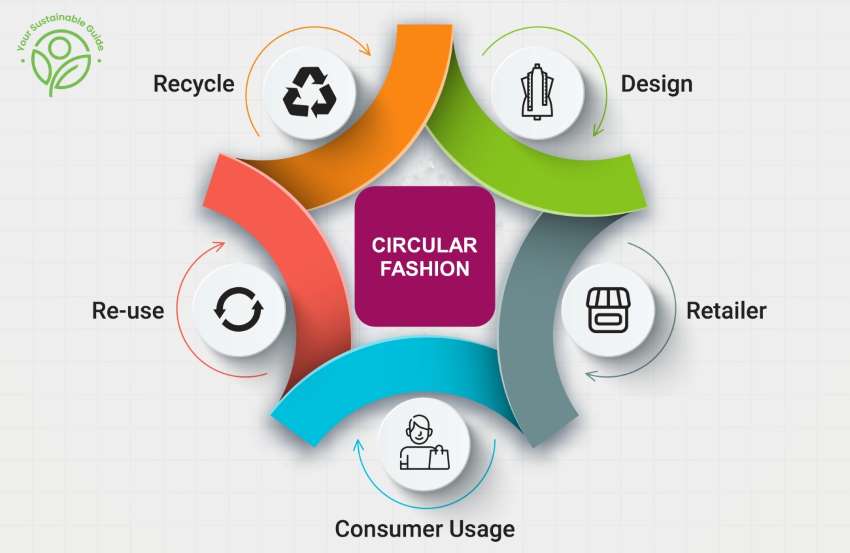
The innovation also addresses a growing environmental liability facing synthetic sportswear: microfiber pollution. Current estimates indicate that 35 per cen of ocean microplastics originate from laundering synthetic textiles, placing growing pressure on apparel companies to redesign materials at source. By utilizing a cellulose-based mono-material structure, the garment becomes fully biodegradable while simplifying recycling and circularity pathways.
The development signals a broader change in how performance apparel is being conceptualized. Increasingly, performance is being treated as an engineering discipline rather than a branding exercise.
China and Asia become testing grounds GenX athleisure
The transition toward bio-performance apparel is unfolding fastest in international growth markets, particularly across Asia. While North American sales for several legacy brands have softened, China continues to demonstrate strong demand for technically advanced luxury activewear. Recent quarterly results showed international revenue growth exceeding 20 per cent in several premium sportswear segments, driven by affluent consumers seeking higher-specification products.
Asian consumers are also proving more receptive to material innovation narratives, especially around biodegradability, bio-based fibers and low-chemical manufacturing. This creates a strategic dilemma for Western incumbents. Traditional activewear strategies built around celebrity influence and lifestyle branding are delivering diminishing returns, while textile innovation cycles are becoming shorter and more capital-intensive.
The next generation of market leaders is therefore likely to emerge not from advertising dominance, but from proprietary material ecosystems and vertically integrated textile capabilities.
The future of athleisure is increasingly being defined by textile science rather than fashion marketing. The old model built around recycled polyester, aggressive logo placement and celebrity-led campaigns is steadily losing relevance among premium consumers demanding measurable technical integrity. What is emerging instead is a bio-performance economy where garments are evaluated through the lens of engineering precision, circularity and chemical transparency.
For brands, this transition fundamentally changes the definition of competitive advantage. The winners of the next decade may not be those with the loudest campaigns, but those capable of building proprietary material platforms that combine functionality, biodegradability and regulatory resilience. In the next phase of the global activewear race, the fabric itself is becoming the product.