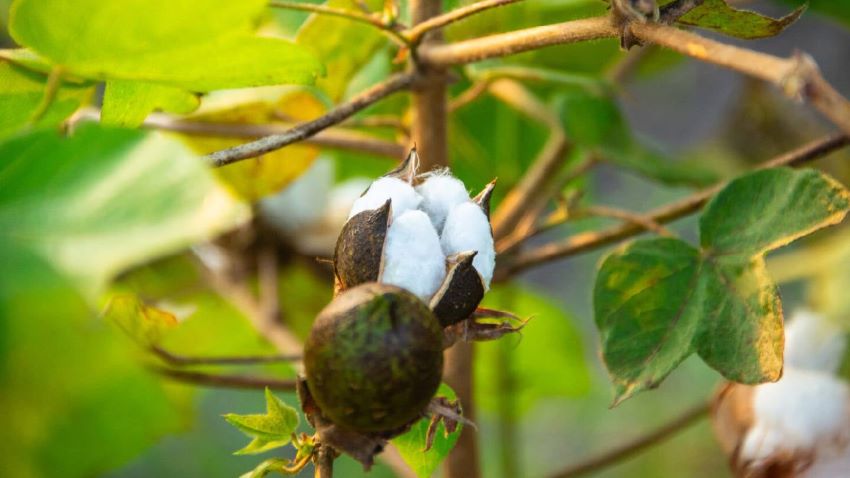
Orchestrating a structural transformation of the sector, Ministry of Textiles is shifting toward a broader, more resilient geographical footprint. The government has launched a strategic expansion into states such as Chhattisgarh, Jharkhand, and Kerala paired with the newly operationalized Mission for Cotton Productivity (2026–27 to 2030–31), a Rs 5,659 crore initiative designed to elevate yields from 440 kg to 755 kg per hectare. By integrating high-yield seed technology with climate-resilient farming, the roadmap seeks to secure the ‘White Gold’ supply chain, thereby insulating domestic mills from volatile global cotton prices.
Institutionalizing quality and sustainability
Under the recently concluded Textiles Summit 2026, policy makers emphasized, future growth hinges on transitioning from volume-based production to high-value, compliant exports. The government is formalizing this through the Tex-Eco Initiative, which enforces international sustainability standards and digital product passports to satisfy rigorous EU and US market requirements. Rajesh Agrawal, Commerce Secretary, urged industry stakeholders to accelerate the utilization of newly concluded Free Trade Agreements, such as the India-Oman Comprehensive Economic Partnership Agreement (CEPA), which provides immediate duty-free access for over 900 textile tariff lines. As the sector targets a US$ 100 billion export valuation by 2030, the policy framework is increasingly prioritizing technological modernization through Samarth 2.0 skilling and capital support for common testing infrastructure, ensuring that Indian apparel remains a preferred choice for global retail giants.
Facilitating trade for MSMEs and large exporters
AEPC serves as the official body for promoting Indian garment exports, providing market intelligence, policy advocacy, and compliance support. It facilitates trade for a massive network of MSMEs and large exporters, focusing on quality standards, global market access, and the transition toward high-value, sustainable apparel production across India.