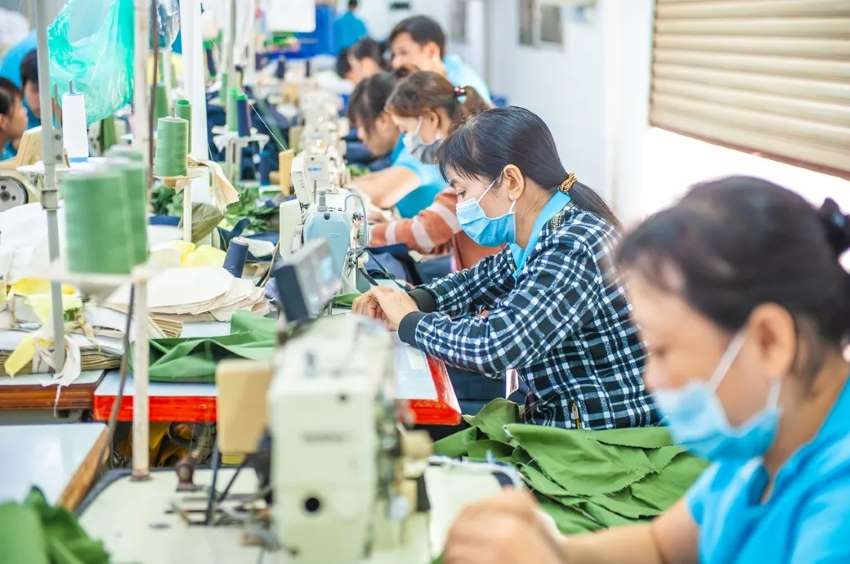
Bangladesh’s readymade garment sector is much safer than in 2013 when the Rana Plaza disaster occurred.
Dramatic improvements are taking place that are bringing the sector up to world-class standards. The country has made progress on workplace safety, especially with the support of buyer-led initiatives like Accord and Alliance.
However there is still work to be done on factory and building safety. Efforts to ensure remediated factories stay safe must be continued. Workers must be properly trained on safety practices.
Above all there is need for a quick resolution on Accord’s and Alliance’s extensions in Bangladesh. Delays in approving their extensions will send a negative signal to buyers and consumers that Bangladesh is not committed to workplace safety.
Resolving the long-standing labor rights concerns will help Bangladesh focus on preparing for its future as a middle income country and, eventually, a developed country.
Bangladesh is preparing to graduate from least developed country status in 2024.
Child labor is being weeded from hazardous jobs. Labor laws are being made worker-friendly. The country is now very proactive, candid and open in terms of having discussions over labor issues.
A training program has been launched for around 0.8 million readymade garment workers.

- 1
- 2
- 3
- 4
- 5
- 6
- 7
- 8
- 9
- 10
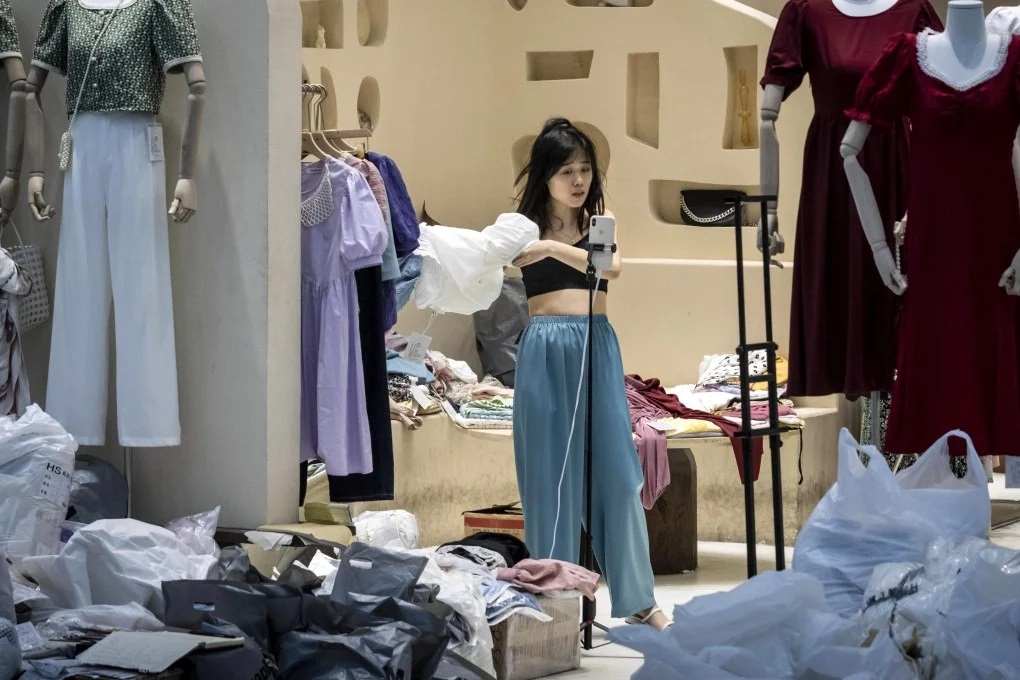
China’s inward turn, domestic demand is rewriting the export model
China is undergoing one of its most consequential economic recalibrations in decades, driven by geopolitical instability, rising Western protectionism, and... Read more
Why Shein sees itself as a technology company, not a fashion brand
The modern fashion industry has traditionally been defined by creativity, merchandising expertise and global sourcing networks. Yet few companies have... Read more
India’s textile sector turns crisis into competitive advantage
India’s textile and apparel industry has emerged from one of the most turbulent periods in its recent history, transforming a... Read more
India’s Export Divide: Textile mills advance, apparel makers face global headwin…
India’s textile and apparel (T&A) sector entered FY2027 with a striking internal contradiction. While the country’s overall merchandise exports increased... Read more
China’s inward turn, domestic demand is rewriting the export model
China is undergoing one of its most consequential economic recalibrations in decades, driven by geopolitical instability, rising Western protectionism, and... Read more
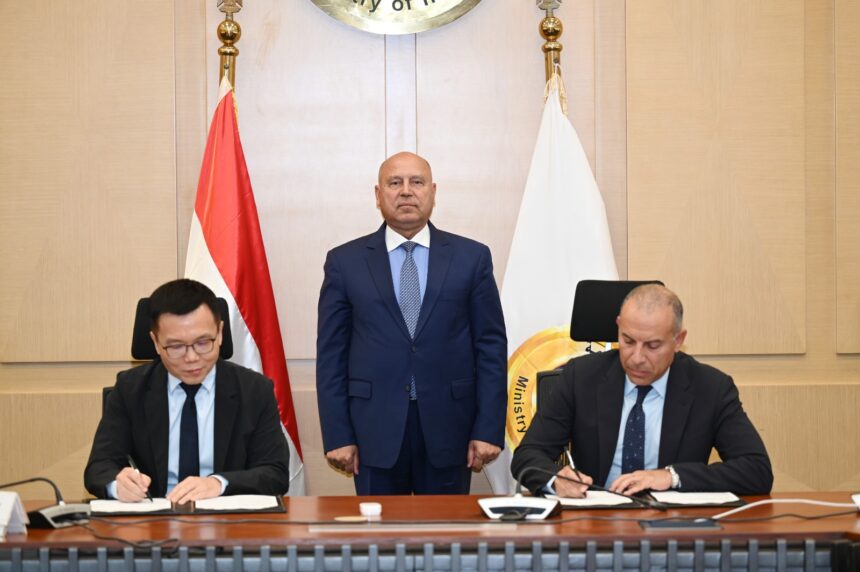
Egypt bets on a $2 bn green textile city to become Europe’s next sourcing hub
Egypt is making a decisive play to become one of the world's most important apparel manufacturing destinations after securing a... Read more
EU textile imports hit $295.66 bn as price wars mask manufacturing stress
The European Union’s textile and apparel imports grew to $295.66 billion in 2025, a 9.4 per cent year-on-year increase from... Read more
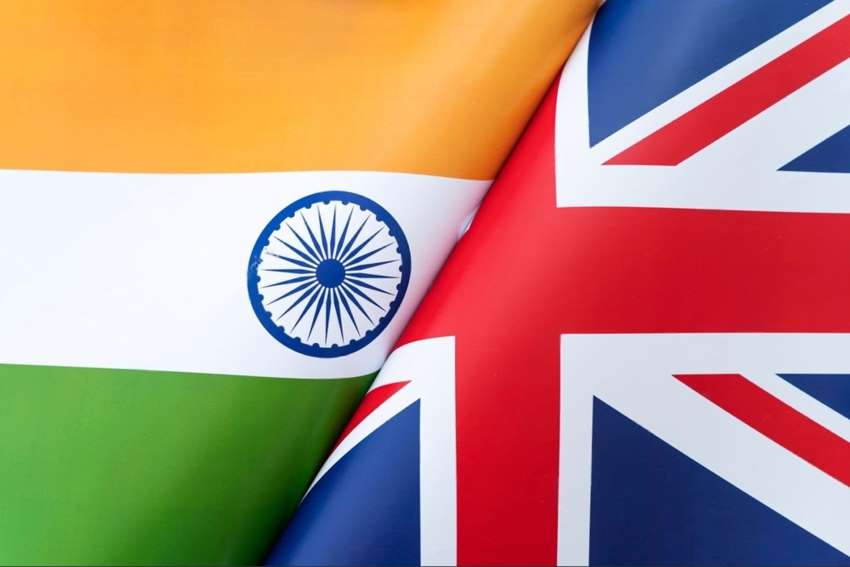
Landmark India-UK trade pact to supercharge textile export margins
The long-awaited India-UK Comprehensive Economic and Trade Agreement (CETA) is officially scheduled to commence on July 15, 2026. This breakthrough... Read more
Is it the end of aspirational luxury? Asia’s consumers demand more than logos
While the global personal luxury goods market remains broadly stable at around €358 billion, the apparent resilience masks a deeper... Read more
Vietnam wins, India slips as US apparel sourcing undergoes massive reset
A trade realignment is transforming the global apparel market, yet India’s manufacturing has stalled at the starting line. Newly released... Read more