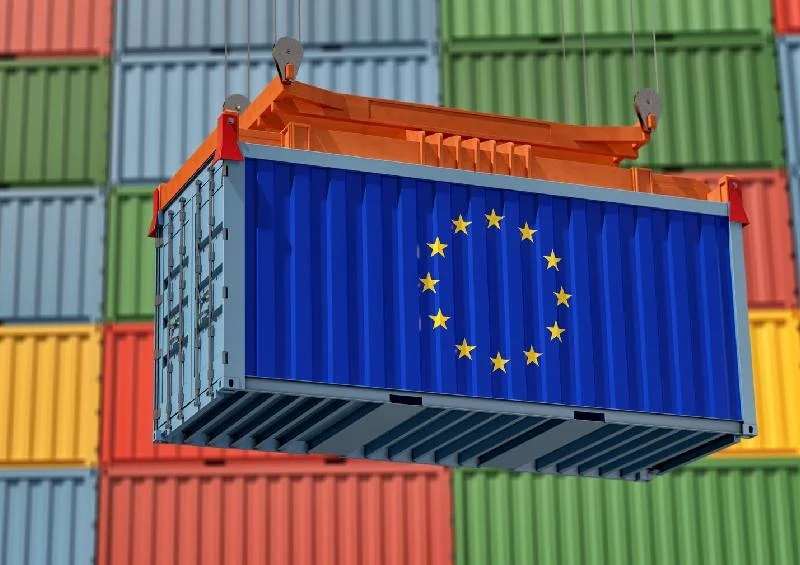
Bangladesh exporters may face an average tariff of over 40 per cent if the global trade war intensifies. The US would impose average tariffs of 30 per cent vs. seven per cent now); the EU would increase its own average tariffs from three per cent to 35 per cent, Canada from three per cent to 53 per cent, Mexico from almost nil to 60 per cent.
Even a very open trading economy such as Singapore would increase its tariffs from two per cent to 33 per cent. By unilaterally introducing tariffs, a large country not only limits its imports from the rest of the world, but also reduces the price of its imports relative to its exports, thereby benefiting from an improvement in its terms of trade.
These unilateral tariffs can be calculated by estimating the leverage each country has on international markets, depending on whether its trade policies are able to influence international prices.
Tariffs applied on developing countries’ exports could rise from three per cent to 37 per cent. But whereas average tariffs affecting countries like Nigeria and Zambia probably would not go above ten per cent, those against Mexico could reach as high as 60 per cent.
- 1
- 2
- 3
- 4
- 5
- 6
- 7
- 8
- 9
- 10
Britain’s Forgotten Growth Engine: Why policy gaps are undermining fashion and t…
Britain’s fashion and textile industry, often framed through the lens of creativity and design, is emerging as a case study... Read more
Beyond price rallies structural reform can strengthen India’s cotton economy
India’s cotton economy is entering a decisive phase, where firmer prices and tighter arrivals in the 2026-27 season have given... Read more
Polyester volatility redraws India’s textile industry competitive map across Asi…
India’s synthetic textile industry has entered a phase of cost instability as polyester staple fibre (PSF) prices rise across domestic... Read more
The £7 Billion Question: Who pays for fashion’s ‘free rental’ habit?
The global fashion industry is facing an uncomfortable paradox: its most valuable customers may also be its most destructive. A... Read more
India, China Bangladesh face fresh headwinds as global apparel markets rebalance
Global apparel trade is entering a more uneven recovery phase, with demand growth persisting but losing uniform momentum across major... Read more
Global cotton enters a deficit year in 2026 as supply drop meets logistics risk
The global cotton economy has entered a fragile and sensitive phase. Early projections for the 2026-27 season suggest that world... Read more
India’s textile trade gets a Pacific push as New Zealand FTA removes tariff barr…
India and New Zealand have inked a ‘once-in-a-generation’ Free Trade Agreement (FTA), one that will have a profound impact on... Read more
Lululemon’s world-first nylon circularity push signals a new apparel arms race
The global apparel industry’s circularity narrative is entering a more technically demanding phase. Polyester recycling once the flagship of sustainable... Read more
Beyond the DTC Rush: Levi’s hybrid channel strategy sets a new retail benchmark
The global apparel sector is entering a phase where channel strategy is no longer a tactical lever but a core... Read more
The New Rules of Resale: EPR turning secondhand into fashion’s strategic growth …
The global fashion industry is facing a decisive regulatory and commercial reset. What began as a sustainability narrative around reuse... Read more