Bangladesh’s sportswear export value is 10 per cent of the country’s total exports. Sportswear brands like Nike, Adidas and Puma buy from Bangladesh and their buying volume is increasing each year. There are many textile mills in Bangladesh, producing various types of knit and woven fabrics. They can also produce sportswear fabric by using their existing set-up of machinery and manpower. Bangladesh can easily handle sportswear fabric manufacturing. The same machinery which is used for cotton fabric manufacturing can be used for synthetic fabric except for the jacquard and seamless items.
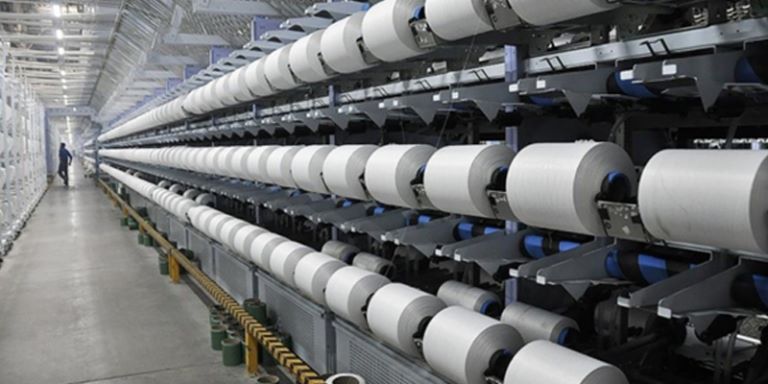
However, there is a need to have more synthetic yarn spinning mills. There are 425 spinning mills in Bangladesh but only three or four spinning mills produce synthetic yarn. Synthetic fabrics are considered to be the ideal choice for sportswear as they are able to provide a good combination of functional properties of moisture management, softness, lightweight, insulation and dry relatively quickly. Bangladesh is an expert on cotton and cotton blended items but has very few textile mills that can produce synthetic fabrics.
The global sportswear market is growing at 3.3 per cent. With increasing demand for trendy sportswear, manufacturers are now launching innovative products. Insulator, microfiber and nano-technologies are used for producing sports apparel.

- 1
- 2
- 3
- 4
- 5
- 6
- 7
- 8
- 9
- 10
Click-and-Collect: Why retailers are turning pickup counters into sales machines
Modern retail has changed the role of the physical store. Once viewed primarily as a point of sale or inventory... Read more
Why fashion e-commerce returns persist despite smarter sizing technology
For over a decade, the fashion sector has invested heavily in virtual fitting rooms, AI-powered size recommendations, and 3D body... Read more
A Quest for Essence: Unveiling the 2027 A/W Trends at Intertextile Shanghai Appa…
As the global textile industry looks toward the upcoming season, the Intertextile Shanghai Apparel Fabrics – Autumn Edition stands ready... Read more
Beyond globalization, local consumer behavior rewriting fashion retail strategy
The traditional blueprint for global fashion expansion is being rewritten. For decades, apparel companies assumed globalization would gradually create a... Read more
Virtual wardrobes redraw retail boundaries as gaming platforms become fashion ec…
The boundary between physical clothing and digital apparel is rapidly eroding as gaming environments evolve into fully functioning consumer markets.... Read more
From Estimates to Audits: Virgin PET data disrupts global synthetic fiber econom…
The global textile industry is recalibrating how environmental impact is measured, priced, and regulated. While polyester continues to dominate global... Read more
Retail’s new growth map in China, rise of premium wealth, senior spending
For decades, global fashion and retail companies built their China strategies around the rapid expansion of an aspirational middle class... Read more
Post-peak correction global cotton markets adjust amid shifting fundamentals
Following a period of aggressive increase, global cotton benchmarks have entered a cooling phase. The bullish momentum that propelled prices... Read more
From Runway Blueprint to Retail Rack: How Milano’s ‘Ready to Show’ shapes global…
As the fashion elite prepare their calendars for the Spring/Summer 2027 runway shows, an equally vital, multi-billion-dollar machinery is quietly... Read more
Natural fibers gain ground as microplastic awareness alters apparel demand
The global apparel industry is entering a new phase of disruption as consumer concern over microplastic pollution begins to materially... Read more