FW
Bangladesh aims at FTA with Japan
Bangladesh is hoping for a free trade agreement (FTA) with Japan.
Riding on preferential trade benefits as a least developed country, Bangladesh's exports to Japan, especially of apparel items, have been rising fast because of high demand. Last fiscal year Bangladesh’s exports of apparel to Japan rose by 14 per cent. Japan is Bangladesh’s most promising export market in Asia. Shipment of garment items to Japan from Bangladesh started leapfrogging since April 2011, when Japan relaxed its rules of origin for LDCs and for the knitwear sector.
Earlier, Japan did not allow zero-duty on shipment of knitwear in an effort to protect its indigenous knitwear sector. By 2030 Bangladesh’s apparel shipments to Japan are expected to rise tenfold. However, Bangladesh would have to improve its investment and business climate to sign an FTA and attract more Japanese investment.
The number of Japanese companies in Bangladesh has tripled over the last decade, reaching 338 in 2022.Most are desperate to expand their businesses and want an FTA to be signed. A lot of Japanese companies have been relocating their businesses to other countries from Japan and China. Japan is implementing some mega projects in Bangladesh, including a deep sea port, a metro rail and an airport terminal, which are expected to be completed within the next few years.
Tonello to present new laundry range at Kingpins
Tonello will unveil its new laundry system at Kingpins.
Laundry (R) Evolution offers an even greater digital vision of the laundry, thanks to the integration of tools that increase transparency, traceability, and productivity.
The brand new Configurator, available on the Tonello website, allows clients to choose the technologies, software, and accessories for their next laundry, combining diverse solutions and thus obtaining a real projection of energy and resource consumption, as well as savings and sustainability benefits.
Metro is a software that automatically and transparently measures the actual consumption of a laundry, summarizing these figures in each garment’s environmental passport.BOP (Be On Point)is based on the most recent developments in computer vision. It makes positioning laser designs on garments automatic and rapid and allows a choice of different production modes and detects up to eight garments at the same time.
Tonello will also show a collection of garments made with the technologies presented (BOP and Metro), washed and dyed with the brand new Evolution 3 range of machines that further reduce water and energy, increase productivity, and lower costs. These are the best washing and dyeing machines ever.
Kingpins will be held in Amsterdam, October 19 to 20, 2022.
Margins of home textile exporters decline
Home textile exporters have been facing a consistent decline in operating margins. So says Icra.
Among the reasons for the decline in margins are the high and increasing raw material and logistic costs. The demand scenario has normalised and inflation is exerting pressure on consumer discretionary spending. Slower-than-expected sales have resulted in higher-than-average inventory levels in recent months (June 2022 and July 2022).
Rising inflationary concerns, the resultant slowdown in consumer discretionary spending, uncertainty about the economic growth outlook and cautious buying by retailers to manage inventories are affecting sales in key export markets.
The turnover of home textile exporters is expected to contract further in the quarter ended September 2022 with muted sales in the December quarter as well. Overall, there may be a double-digit contraction in turnover as well as moderation in margins for home textile exporters in fiscal year 2023 following all-time high sales and profits in fiscal year 2022.As a result, retailers may go slow/cautious on buying in the subsequent months to rationalise their inventory levels. This is corroborated by the slow off take being experienced by domestic exporters, despite healthy order book trends witnessed till a few months back.
Home textiles include bed linen, bed sheet and other bedroom textiles, bath linen, carpets and rugs, blankets, kitchen linen, curtains, cushions, cushion cover, and covers for quilts.
GST delay irks Pakistan exporters
Pakistan’s textile exporters are waiting for GST refunds.
Refund delays are causing liquidity problems to exporters. Several cases of cancellation of export orders have caused colossal financial losses to exporters.
Five export-oriented sectors were removed from zero rating from July 2019. This was followed by a 17 per cent sales tax on exports on the assurance that refunds would be paid within 72 hours.
However, the software developed for payment of refunds has failed to operate properly, resulting in blocking of significant sums. Exporters say promises of timely payment of refunds never materialise. Zero rating, which means no collection of sales tax but no refunds, helps exporters fulfil their commitments without facing a liquidity crunch. As of now exporters say they cannot meet their commitments when they have no funds to pay salaries, utility bills or purchase raw materials for new orders. They say such a situation will directly damage the country’s exports.
More than 1000 textile mills have already been closed down. Almost 50 to 75 processing mills are closed and almost ten printing mills are closed in Faisalabad region. For the first two months of the fiscal 2022-2023, the value of textile and garment exports from Pakistan increased by four per cent.
Jordan apparel imports up 27 per cent
During the first nine months of 2022, Jordan’s apparel imports rose by 27 per cent. Footwear imports rose by 25 per cent. During the same period China was the top exporter of clothing and footwear to Jordan by 40 per cent and 62 per cent respectively.
Other sources of Jordan’s apparel imports are Turkey, non-Arab Asian countries (excluding China and Turkey), Arab states and European nations. Jordan’s garment industry has been spared the worst effects of the pandemic, proving to be relatively resilient in its adaptability to new market trends.
Though Covid has had a major impact on the garment industry throughout the world, with Jordan being no exception, the economic downturn in Jordan’s garment industry has only had a 15 per cent reduction in garment exports and a full rebound is expected soon. Thus the sector has fared relatively well in comparison with Jordan’s other sectors. Jordan’s garment exports in 2020 made up 22 per cent of all Jordan’s exports. With 24 per cent of all exports going to the US, the US continues to be a major export market for Jordan.
However customs fees and taxes imposed on the sector have reached 47 per cent. Other challenges facing the sector include illegal e-commerce and the mail package trade.
Garments, footwear, travel goods boost Cambodian exports
Cambodia’s garment, footwear and travel goods exports grew by 24 percent during the first nine months of 2022.
The garment, footwear and travel goods industry is the largest foreign exchange earner for Cambodia, accounting for nearly 60 percent of the country’s total export value. The growth can be attributed to the full resumption of socio-economic activities in the country, trade preferences, and rising global demand as the global Covid pandemic has waned. The Regional Comprehensive Economic Partnership (RCEP) free trade agreement, which entered into force earlier this year, has also contributed to this significant growth. The garment, footwear and travel goods industry consists of more than 1,200 factories and branches, employing some 8,30,000 workers, mostly female.
Cambodia’s exports from January 2022 to August 2022 were up 26 percent compared to the same period in 2021. The total value of the country’s international trade rose by 21 percent. Imports increased by 18 percent during the period. Exports increased by 37 per cent. The US is the biggest market for Cambodia’s products. Vietnam and China are the second and third markets. New factories opening up are viewed as investors’ high confidence. Promulgated investment law and free trade pacts bilaterally and multilaterally are also factors that have opened the markets for Cambodia-made products as well as attracted new foreign direct investments.
Slave labor found in Shein factory
Shein workers often have to work 18 hours a day while earning an appalling wage for each garment produced.
Shein is a Chinese fast fashion giant. Workers also have to work weekends and are only given one day off per month. If employees make a single mistake during the process of manufacturing items of clothing, they are fined two-thirds of their daily wage.
Women in one factory were filmed washing their hair during their lunch breaks, since they have so little time outside of their shifts.In order to make the living wage, many stay late into the night. Workers are not eligible for any leave or weekends. Women bear the brunt in every part of the chain.
Despite selling items of clothing for as little as just over a pound, Shein achieved a valuation of $100 billion in April 2022.What might have helped propel the company’s current success is its marketing platform. It has recruited celebrity rappers and pop singers. Shein also adopted social media marketing early on and collaborated with bloggers for giveaways and promoted products on Facebook, Instagram and Pinterest.
On top of that, the company receives mentions from influencers and online content creators who do haul segments and highlight the company’s cheap prices.
Strengthening dollar creates win-lose scenarios for T&A industry

Post pandemic, the US is sitting pretty, watching the US dollar rise in value and other currencies decline. The latest on the Euro is that hit a 20-year low and the Pound Sterling just experienced a crash that it hadn’t seen in the last 40 years. In this currency related chaos, exporters from countries with weakening currencies are hoping to cash in on lower prices but there is a flip side to it – importing the raw material is becoming dearer, therefore shooting up production costs locally.
Indian exporters can leverage on weakening Rupee
As of today, the USD is at INR 82+ and experts predict a further depreciation of the INR. This rise in USD is good news for Indian exporters as they would get more INR per USD and increase their margins. Ajay Sahai, DG & CEO of the Federation of Indian Export Organisations (FIEO) said, “A surging dollar is good news for exporters because if the dollar was not rising and other currencies were facing sharper depreciation, we would have been outpriced. However, one needs to look at the phenomena of the surging US dollar from a larger standpoint. If competing currencies like those of the Philippines, China, Japan and South Korea are depreciating at a faster rate, India would lose out to these countries in its relative competitiveness. When we talk about depreciation, we just cannot look at the surface. One also has to see what the trend is for competing currencies. If they are depreciating at a faster pace, we would have to take it with a pinch of salt.” The US is the largest importer of textiles manufactured in India and that is definitely good news. However, as per Statista’s report dated September 2022, India also imported textiles worth INR 154 billion, an increase from the previous fiscal year, which incidentally is such due to the weakening INR.
A word of caution for Indian exporters
Vikas Singh Chauhan, Director, Home Textile Exporters Welfare Association (HEWA) said, “ We need to be cautious that the fuel bill will see a drastic spike due to the weakening INR, imported cotton yarn’s prices will go up, and accessories like buttons and outer elastics will also be dearer. The USD/INR exchange rate has touched new heights, which is good news in the short term as buyers are enquiring about Christmas orders. Overall, in the short term, exporters are able to quote orders aggressively. But in the long term, the surge will hurt us because of inflation. We have already witnessed a tremendous rise in raw material costs until the last quarter,”
Bangladesh’s raw material import poses challenges
Bangladesh’s textile mills are experiencing the worst crisis as the nation’s US dollar reserves are depleting fast and the government having to seek IMF’s intervention to bail it out. The Bangladesh Textile Mills Association (BTMA) released a statement in September expressing concern that most commercial Bangladeshi banks are not willing to opening letter of credit under the Export Development Fund, once paid at sight and deferred-payment systems due to an acute US dollar shortage. It said that this would make importing raw material for the textile mills a very difficult mission and it estimated that domestic spinners could only continue production activities until the end of the year when stocks run out.
The current global currency fluctuations affect countries that export finished garments but rely on imported raw material. If the crisis is not solved quickly, chances are the worldwide readymade garment sector could get hit badly and pose enormous problems for the retail sector.
Menswear set to outpace womenswear growth, ups fashion quotient
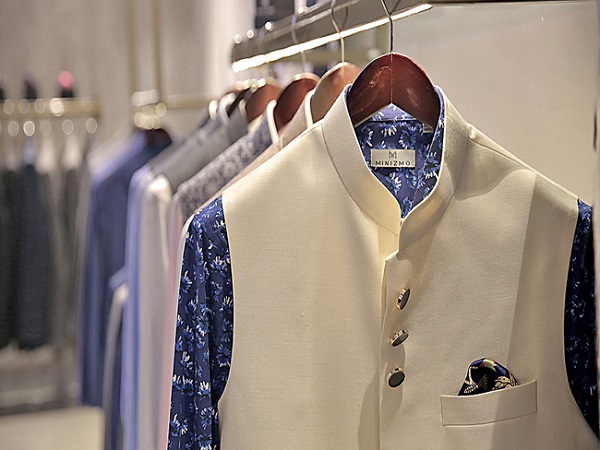
With the global menswear market expected to register a CAGR of 5.7% during the forecast period of 2022 to 2027, the demand for occasion-specific clothing among a rising class of consumers with more spending power.
Chinos and casual wear garments are the bestsellers
The global menswear product portfolio is segmented by product type, distribution channel, price ranges, and geographical layouts among others. The distribution retail market is segmented into offline and online retail stores in both emerging and established markets across the globe. The versatile product portfolio for 2022 includes new trends such as athleisure, high-street, anti-fit, sustainable fashion, and androgynous fashion. Commando shoes, bowling shirts, and ethical fashion apparel as an addition to the usual portfolio of top and bottom wear.
While citing Euromonitor, the world’s leading provider of global business intelligence and market research data, global men’s wear sales are projected to reach $547.9 billion by 2026 which will outpace growth in the women’s segment. Adding to all of this, there’s also been just a lot of buzz recently about revamping traditional men’s wear brands, women’s wear brands entering the men’s wear space, and just the general blurring of lines between men’s wear and women’s wear.
Only 10 per cent of total men’s wear assortment consists of bottoms and this includes chinos, dress pants, and jeans combined. While sweatshirts and sweaters gained 2 percentage points as comfort dressing rose, formal button-down shirts lost 1 per cent after the pandemic. Only 3 per cent of the bottoms assortment belongs to jeans chinos have completely taken over the bottom wear menswear market. Chino pants are the buzzword now in men's fashion with a 47 per cent increase from a year ago. However, chino shorts haven’t gone up so much in online search engines although they are on the rise in the fashion trend cycle.
Women brands foray into men’s segment
With healthy lifestyles and socializing in casual settings more a priority now, the demand for branded athletic apparel is rising rather than casual and athleisure general brands. And as people return to the office rather than work from home, they are ready to dress up again and blazers, formal shirts and dress shirts are back in demand again
Many women brands are now part of this retail change as some popular brands are now launching collections for men. This concept of “share a style code” is a new approach to unlocking a brand’s true potential while having a clear brand story and understanding the competition in the segment. Since the men’s wear segment is always less trend-driven than the women’s segment, these players undertake fewer risks in print, materials, colours and style quotient and therefore make a profit.
A lot of media and marketing strategies of e-commerce retail platforms such as celebrity endorsements, promotional discounts, festive sales and the increasing number of online users have boosted the menswear segment drastically. The ease of buying goods online has increased during the pandemic years and that is continuing as old habits die hard. Along with that is an actual shopping experience at physical stores and malls which is back with a bang again, so currently it’s a win-win situation for the menswear segment which is expected to last for the time-being.
US ban on Chinese cotton hurting Bangladesh, Vietnam
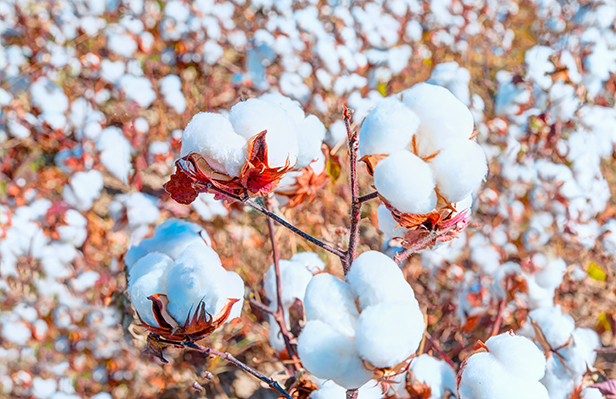
The US’ blanket ban of cotton and cotton products from China came into effect to affirm the US’ stand on alleged human rights violations and forced labour in Xinjiang region. The numbers indicate the discomfort levels of fashion brands – cotton produced in the Xianjiang region supplies roughly 20% of the world’s cotton and US garment brands and retailers more than USD 1.5 billion worth of garments, valued at around USD 20 billion in sales. The ban is beginning to hurt businesses in the US at the retail level.
Challenging times for Bangladesh
Bangladesh’s readymade garment manufacturing sector is in a dilemma. Approximately 70% of its requirements for cotton yarn and textiles originate from Xinanjiang’s cotton fields and the ban makes this sector in Bangladesh highly vulnerable. The country is the world’s number one importer of cotton and cotton yarn; and China, India and Pakistan are its main sources. The ban on Chinese cotton and the current destruction of cotton crops in Pakistan due to the flooding has put immense pressure on Bangladesh to look into sourcing from other countries. It is clear that whilst India will use the ban on Chinese cotton goods to its advantage and increase its export of raw material, yarn and textiles to Bangladesh, it is not yet in a position to completely replace the quantities China is capable of. If Bangladesh cannot quickly find substitutes to fill the gap, it risks running foul in the eyes of the US and its ally, the EU. Recently, Bangladesh has been accused of “cotton laundering” by various American and European activist groups who claim to have proof that Bangladesh continues to import Xianjian based cotton and material under fake labels. Such an accusation is not only going to create political tension between Bangladesh and the US and EU, but can potentially damage the countries manufacturing hubs and subsequently its exports. Now that Xianjiang’s cotton is off the table, economists predict a sharp increase in cotton prices that in turn will affect Bangladesh’s attractive cost proposition negatively. Adding to its woes, Bangladesh is facing a US dollar reserve crisis and needs to heed the IMF warning on spending its dollars cautiously, or else face a Sri Lanka like situation. This will affect Bangladesh sourcing cotton from new suppliers with whom it will not enjoy the credit line it has built up with Chinese exporters for years. The overall outlook is one of great trepidation as the country scrambles to find a quick solution.
Vietnam faces cotton laundering charges
The Sino-American fall out hasn’t gone well for Vietnam and India either. Like Bangladesh, Vietnamese manufacturers are also facing the allegation of “cotton laundering”. Vietnam only purchased cotton and yarn from the Xianjiang region worth USD 582,000 in June but is being accused of intermediary-based purchase of a far greater value. However, Vietnam’s largest source of cotton and yarn is the US and therefore its manufacturing isn’t as affected as Bangladesh’s by the ban on Xianjiang cotton. Moreover, as a large importer of US cotton goods, Vietnam has a stronger business relationship with the US.
In today’s global economy, politics is intertwined with trade. The US’s decision to ban cotton related products will have negative repercussions in economies in South and South East Asia that are US-friendly nations and US based retail businesses as well.