FW
Adidas appoints retail head
Andrea Dorigo is senior vice president of Adidas and head of retail. He will oversee the activities of the brand’s 2,500 stores worldwide. With the sports giant focusing on its approach to direct sales, which already accounted for 38 per cent of its sales last year, this is a highly strategic position.
Due to complications in the Chinese market, Adidas is in the process of closing and adapting its network in the Middle Kingdom, where it had up to 12,000 points of sale. For the third quarter, Adidas’ currency-neutral revenues increased four per cent.
Deteriorating traffic trends in Greater China as well as slowing consumer demand in major Western markets weighed on the revenue development. In addition, the company’s decision to suspend its own operations in Russia significantly reduced revenues during the third quarter, particularly impacting the company’s direct-to-consumer (DTC) business. Excluding Russia/CIS, revenues in the company’s own distribution channels were up at a double-digit rate, reflecting the successful sell-through of Adidas’ products. Within DTC, the company’s e-commerce revenues increased eight per cent.
Dorigo is a retail expert who has evolved in various companies, marketing very different types of products. He has been with Estee Lauder, Pirch, Oakley, Brooks Brothers.
Asics Q3 sales up 12 per cent
For the third quarter Asics’ net sales grew by 12per cent. The company’s gross profit also increased by 12 per cent. Operating income increased 0.7 per cent mainly due to the impact of the increase in net sales. Ordinary income decreased four per cent mainly due to the impact of the increase in foreign exchange loss.
Net sales of the performance running category increased 17 per cent. Asics is a Japanese multinational sporting goods company. For the sports style category, net sales increased 18 per cent. Category profit increased 13 per cent. Total assets increased 28 per cent from the end of the previous fiscal year, total liabilities increased 23 per cent and total net assets increased 35 per cent.
According to the company’s forecast for the fiscal ending December 31, 2022, net sales are expected be 18 per cent more than the net sales of the previous fiscal, while operating income is estimated to be 54 per cent up from the previous fiscal. The company is expecting its ordinary income to be 44 per cent up from the previous fiscal, while the profit attributable to owners of parent is expected to be 123 per cent up from the previous fiscal.
Australian imports from China up 13 per cent
In 2021, Australia’s imports of textile and apparel products from China rose by 13 per cent year on year. In the first three quarters of 2022, Australia’s imports from China were up by 22 percent year on year. Of Australian imports of textile and clothing products every year, China is the largest source, accounting for about 60 percent of the total, much higher than China's 38 percent global market share by value.
Chinese textile products have gained popularity among Australians, not only because China leads the world in the innovation and use of carbon-neutral and recyclable fabrics but also because of the complete supply chain and efficient business operations in China, which are more competitive than those of many other countries.
Frequent high-level interactions between the two countries have brought a significant change from the stalemate that has been in place since 2019. Both sides have expressed their willingness to improve relations through dialogue. China-Australia relations are stable and improving after falling to a low point, which gives strong confidence to the economic and trade circles of the two countries.
Australia is also a resource-based country, with wool and cotton, the raw materials for textiles and clothing, among its main export commodities, which shows the high complementarity of the two countries in trade.
Australian cotton exports surge
In August 2022, Australian exports of cotton were almost double the entire amount of cotton exported in 2020.
In calendar year 2020, $455 million of cotton was exported to various offshore markets. Cotton is forecast to become the third most valuable export commodity for Australia after wheat and beef. That third ranking in export commodity value, after wheat and beef, is the highest ranking for cotton since 1988 and coincides with falling livestock exports due to lower prices for red meat and wool.
Bangladesh has almost doubled its 2022 imports of Australian cotton in the first three months of this season while India has imported more than the previous season. The other countries to record significant increases are Korea, Malaysia, Thailand, and Turkey.While global growth expectations have been lowered due to widespread inflation, a sluggish Chinese economy, and dropping consumer demand, Australian cotton remains in high demand due to its quality and reduced crops from drought in the US and flooding in Pakistan. About 30 per cent of the 2023 crop have been now forward sold and those solid export totals are expected to continue to gain momentum through the following months.
Bottlenecks and container shortages are showing signs of easing and that should ensure an easier passage of Australian cotton to overseas markets.
Bangladesh to enhance cotton production
Bangladesh has a target to increase cotton production fivefold by 2030. New varieties will be introduced and cultivation areas will be expanded. Domestic cotton production will be enhanced using newly invented high yield and hybrid varieties and using the vast low fertile barren lands in the country's southeastern hill region alongside some plain districts.
As of now huge amounts have to be spent every year on imports to meet the expanding demand in the textile industry. Bangladesh’s textile and spinning mills and other users import cotton from India, the United States, several African and Central Asian nations, Australia, Brazil and Pakistan. The country currently produces less than 0.2 million cotton bales a year against the annual demand for 8.5 million bales.
Cotton is mainly sown in the July to August period and harvested in between December and January and currently its cultivation is spread over 45,000 hectares. Over the past decade the production volume has nearly doubled. The Cotton Development Board was set up in 1972 to increase cotton production and is entrusted with the task of conducting research, producing, distributing and marketing seeds, expanding cotton cultivation and distributing loans among farmers. The board has developed a new cotton variety and has invented two cultivation methods.
Vietnam textile industry faces demand decline due to slowdown
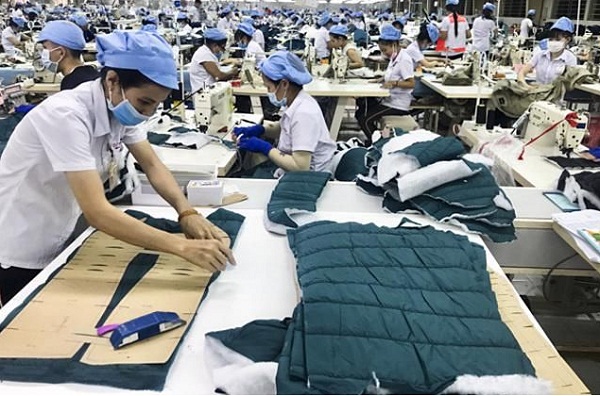
Vietnamese textile and garment factories are currently in muddy waters as they are facing lower-than-expected orders from key trading partners along with a decline in cotton and yarn, fabrics and textile exports over the last two months of September and October.
The fluctuations are however slight and analysts expect a better turn of events in the next quarter of the new year coming up soon. As per China-based CCF Group’s latest report, October 2022 stats point at Vietnam's cotton imports increasing 11.7 per cent year-on-year but there is a decline of 0.9 per cent month-on-month,. Fabric imports in Vietnam were lower by 3.3 per cent year-on-year and 5.8 per cent month-on-month. Vietnam's textiles and apparel exports increased 2.2 per cent year-on-year but dropped 0.8 per cent month-on-month.
“Uncertainties are running up to the end of the year, especially the Russia-Ukraine conflict and material price fluctuations. Enterprises are seeking ways to diversify material supply sources as well as export markets because when material sufficiency is ensured, they can boost shipments to many markets, thus helping guarantee production stability, supply chain, and sustainable exports,” Le Tien Truong, chairman of the Vietnam National Textile and Garment Group, according to Vietnamese media reports.
Factory workers bear the brunt
The main countries showing a steep drop in exports are China, South Korea, Japan, US and Europe. This is mainly due to rising inflation and other uncertainties. Rising inflation in the West and frugal Christmas celebrations over Covid years are driving orders down. The textile and garment makers in Vietnam have no control over this except reducing production costs by laying off some work-force. However, a devalued currency and cheap labour availability will enable global investors to snap up some bargains. Meanwhile, Vietnamese textile manufacturers remain in hope for the tide to turn as the European Central Bank forecasts the current inflation of 8.1 per cent will decrease to 5.5 per cent next year and a further drop to 2.3 per cent in 2024. Indeed, the worst affected are factory workers because with a slowdown in orders, many workers have had their hours and pay reduced or have lost their jobs. With already low salaries of around VND 8 million ($321) per month, as per recent numbers from the General Statistics Office of Vietnam, the slowdown will further increase poverty levels.
Bumper sales of the last quarter affected
Less work and lower pay will translate into Vietnamese making fewer purchases and this could impact importers revenues as well. The sale of luxury goods and garments had seen a huge growth in Vietnam earlier but is facing difficulties in the last quarter of this year and more is expected in the first quarter of 2023 due to the impacts of global weakening demand.
It is a matter of concern that the entire garment and textile sector has seen a huge decline as Vietnam is known globally to be the second-large exporter of ready-made garments with the sector employing around 2.5 million workers. The bumper sales in fourth quarter of the year with the onset of winter and the Christmas season have always seen the textile industry through leaner times. However, manufacturers remain in hope that the first quarter of 2023 will be a beacon of light with the global apparel industry finally recovering from the tighter consumer purse strings of Covid times.
Synthetics would help Bangladesh upscale
Bangladesh needs to go for synthetic raw material production as the country is already strong in cotton fiber-made garments.
Bangladesh has already achieved a lot in the garment trade as the country is the second largest supplier of apparels worldwide after China.
Now the time has come to make the achievement sustainable with innovation and bringing variation in products and quality of goods.Setting up of green garment factories would continue as the country is the champion of green units worldwide.
Bangladesh is already in a very good position regarding innovation but needs to improve in online trading and establishing strong collaborations between retailers and suppliers. International clothing retailers and brands have asked for innovation, improvement of efficiency and use of synthetic raw materials so that they can source garment items for a long term from Bangladesh.
Circularity is going to be a new innovative idea in productivity for the sector to save on water consumption. Diversity has to be brought into products and efficiency in garment production has to be improved. The next ten years are important for the country's garment sector. The upskilling of labor is also important for the country for the sustainable supply of garments.
UK consumers cut spending on clothing, says McKinsey
Almost half of UK consumers are negative about the country’s economic perspective and as a result plan to cut clothing spend. So says McKinsey.
Consumers are changing retail stores in a general move to increase purchases from discounters. While spending on groceries increased in the last three months, spending across almost all other categories (bar pet food and supplies and gasoline) is expected to fall.
Consumers plan to spend less on footwear and clothing. In footwear, consumers would buy fewer items, a cheaper alternative, or a privatelabel and some will not buy footwear at all in the next three months. There have been marked shifts in activity, demand, channels and brands in search of value for money with most consumers having changed shopping behaviour in response to concerns and pressures faced.
Down trading is widespread and consumers are increasing purchases in discounters, drawn primarily by prices and promotions as well as value for money.Non-food retail sales in the UK fell 1.2 per cent in the three months to October, with clothing and footwear sales declining in particular. For many, Christmas will be more gloom than glitter as families focus on making ends meet with mortgage payment rises, and retail could be set for a bumpy ride ahead as a result.
Pakistan Q1 textile exports up 3%, knitwear exports up 15%
Pakistan’s exports of textile goods increased by three percent during the first quarter of the current fiscal year as compared to the corresponding period of last year.
Cotton cloth exports grew by four percent while exports of knitwear increased by 15 percent. Exports of tents, canvas and tarpaulin increased by 40 per cent, readymade garments by five percent, art, silk and synthetic textile by 0.35 percent.
Exports of raw cotton witnessed 100 percent growth. Exports of cotton yarn declined by 18 percent, exports of cotton (carded or combed) declined by 85 percent, yarn (other than cotton yarn) by four percent, bed-wear by two percent, towels by one percent, made-up articles (excluding towels, bedwear) by eight percent while exports of all other textile materials went down by one percent. Meanwhile, on a year on year basis, textile goods exports increased by two percent in September 2022 against exports in September 2021. On a month on month basis, textile goods exports declined by three percent in September 2022 when compared to exports in July 2022.
The overall trade deficit fell by 21 percent, with a considerable decline in imports and upward trend in exports, during the first quarter of the current fiscal year as compared to the corresponding period of last year.
PittiUomo to be held in January
PittiUomo will be held in Italy, January 10 to 13, 2023. The men’s wear show will have more exhibitors, square feet and likely more attendees. The trade fair already has 759 confirmed brands, 40 percent of which are hailing from abroad, versus 680 participating companies last June.
PittiUomo is known to wholesalers globally as a point of reference for their buying appointments. The Super Styling research-driven area will welcome 180 brands and an enhanced section dedicated to sustainable brands.
The Go Out section is dedicated to outerwear companies with a focus on performance- and sportswear.In addition to continuing its spotlight of North European brands PittiUomo will put an emphasis on Japan this season, including a display of six accessories labels. Mindful of evolving trends and business opportunities, PittiUomo is introducing for the first time two new sections, The Sign and Pittipets, dedicated to design objects and petwear respectively.
In the first seven months of 2022 Italian men’s wear exports rose six percent compared to the same period in 2021.The US largely contributed to the positive performance, with exports to the country skyrocketing 46 percent while China decreased its import of Italian men’s fashion goods by 12 percent. Though the sector is pressing on, the ongoing supply chain hiccups, increased energy costs and geopolitical instability are denting consumer confidence.