FW
Guess to cut 9 per cent global store network
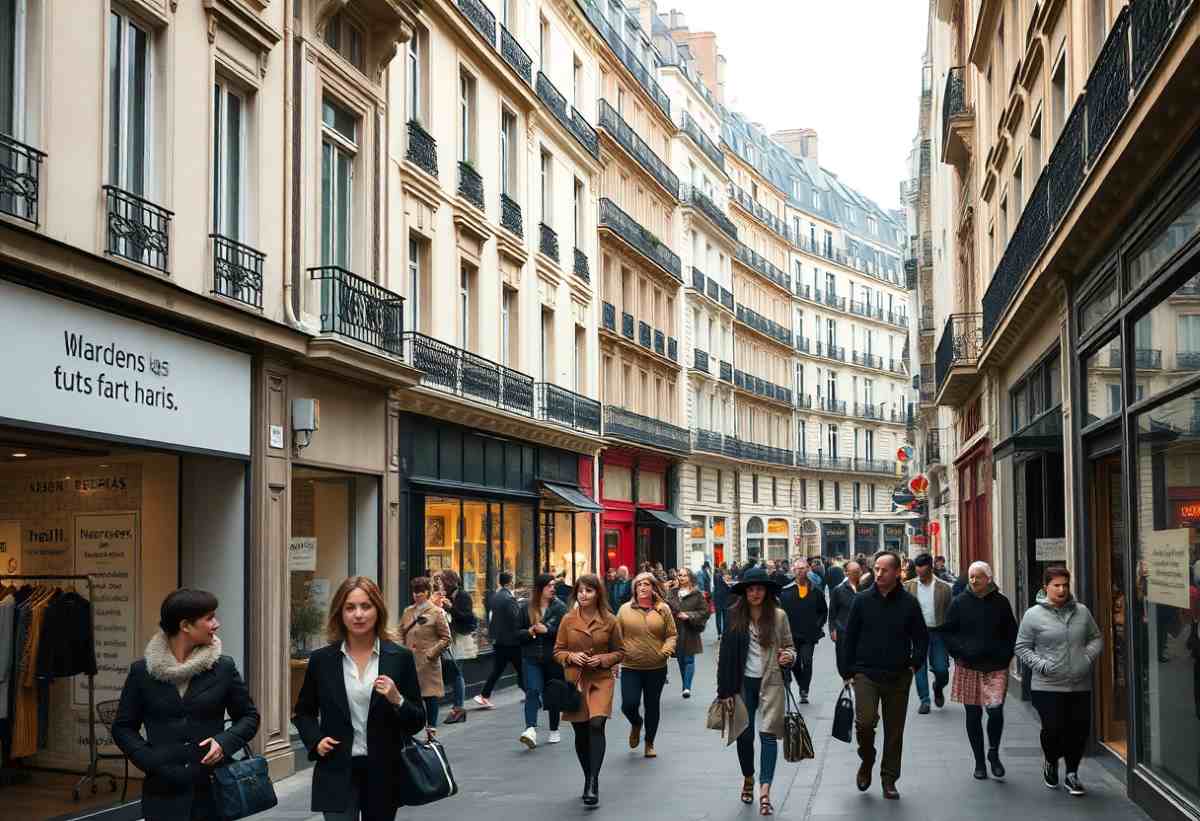
Guess plans to cut around 9 per cent of its global store network by closing 100 stores across the world. Most of these closures over the next 18 months will be in North America and China as many of the retailer’s leases in these regions are set to expire soon. The brand reduced its expenses during the shutdown by furloughing all store workers and half its corporate workforce while laying off 150 employees at its Los Angeles headquarters. Its management also cut some salaries by as much as 70 percent and cancelled all capital expenditures that weren’t critical.
The fashion retailer suspended rent payments in April and is now in negotiations with landlords. About 70 percent of the company’s leases globally are set to expire in the next three years.
In the US and Canada, one-third of Guess stores have their leases ending soon and 15 percent of its European shops will come up for renewal in the next year.
Luxury fashion to become timeless, authentic, socially responsible post COVID-19
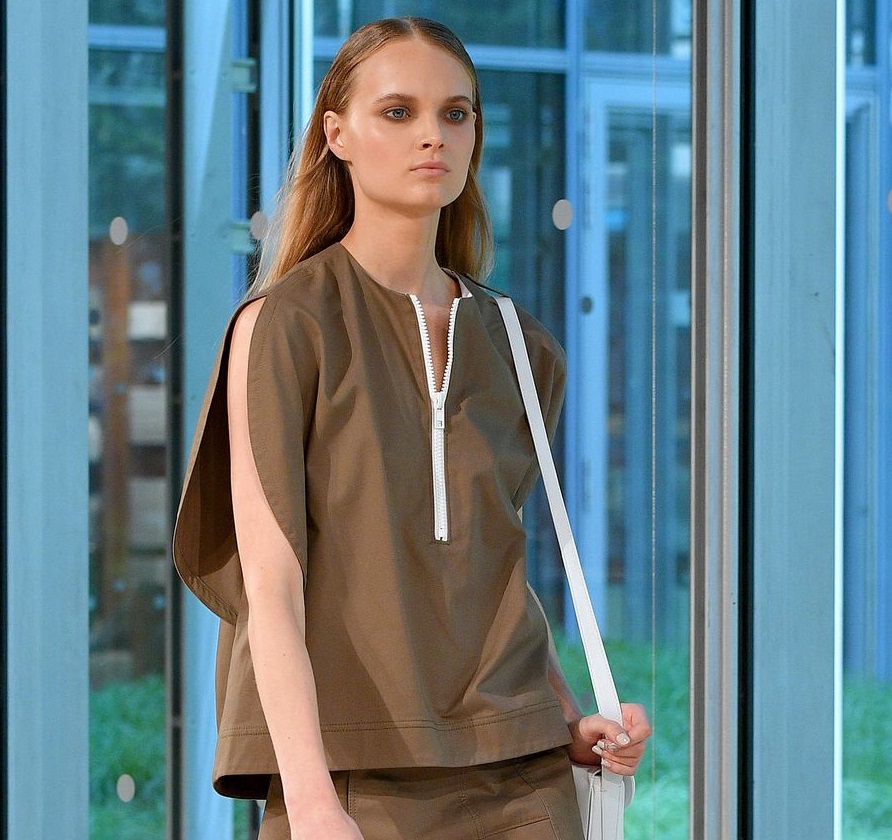 The global luxury fashion industry was already in the midst of a transformation pre-COVID-19 how the pandemic has accelerated a few more changes in the segment. Brands have adopted trends to shore them through the crisis. A recent webinar by IMD Business School on what the COVID-19 crisis might mean for the luxury industry, revealed a few inflection points that would help the luxury fashion firms come out stronger post the crisis.
Localization to be the new mantra
For long, luxury fashion has relied on global supply chains for success. Fashion brands have often off shored their manufacturing to low-cost nations, even though it violated claims of heritage-based origin. However, COVID-19 crisis might compel these brands to go local as Western consumers may prefer more locally-made products, particular highly-priced goods. This might give rise to a less efficient phase of globalization as luxury companies would tighten their link with their place of origin and start keeping buffer inventories in each region or even country. These luxury players may also maintain a separate portfolio for local luxury brands.
This would change relationships between Western luxury brands and China as Chinese consumers would favor more local brands such as Nio, Mao, Geping and Erdos. Western brands would then have to either incubate or play a local strategy.
Breaking away from seasonality to focus on authenticity
Localization would lead to digitization of events and experiences making bi-annual fashion shows a thing of the past, believes Achim Berg, global leader of Apparel, Fashion & Luxury group at McKinsey. Proliferation of show formats may become the new norm as brands will break away from seasonality of collections as millennials may shift their attention to a more durable, less ephemeral take on luxury in the coming recession.
Pablo Mauron, Managing Director China, Digital Luxury Group, also expects the pandemic to change the shopping habits of Chinese millennials. For the first time, millennials will realize the transient nature of their economic growth and focus on saving money. On other hand, luxury brands will have to focus on experiences, heritage and authenticity to remain relevant to their newly discerning customers.
New business models to emerge
Berg believes, COVID-19 may also accelerate the adoption of new business models by consumers to reduce waste. Businesses of companies engaged in selling second-hand products like Rent the Runway and Panoply may suddenly take off as consumers might look to save more cash. This might also create a new source of revenue for luxury fashion companies besides offering new partnership opportunities.
Businesses to be more agile
COVID-19 has also illustrated the importance of being agile for fashion firms. It is important for fashion firms to break away from traditional organizing and leadership styles and be more diverse so that it can easily bounce back in times of uncertainty. Business agility helps companies to rapidly shift its resources, stocks and inventories and accelerate decision making. It also helps these companies to mobilize the collective energy of these employees more effectively.
ICAC releases two COVID-19 documents
International Cotton Advisory Committee (ICAC) has released two COVID-19 related documents. The first of these, Impact of the COVID-19 Lockdown on the Cotton Market’ is a four-page brochure that outlines the current situation on supply and demand, prices and trade, as well as potential scenarios for each sector under a slow recovery or a speedier one. It also describes policy responses to the pandemic and recommendations for the industry as a whole to mitigate the damage.
The second document titled, The Role of Cotton in Face Masks’, a research paper that reached a clear conclusion about making non-surgical face masks to protect against COVID-19 infection and spread: Cotton is superior to synthetics and other fibre types. The critical finding is that cotton’s ability to absorb, dehydrate and deactivate the virus — combined with the fact it’s biodegradable and can be impregnated with antimicrobial nanoparticles — make it the best choice for non-surgical, do-it-yourself face masks.
ICAC Executive Director Kai Hughes said that while the statistics and data in the Impacts report give readers a sense of where the industry stands right now, another important aspect of the report is ‘that the ICAC is providing recommendations — specific actions that governments and organisations can consider now to help facilitate the recovery — and it also shows how policy responses could potentially impact that recovery timeline’.
Marc Jacobs cuts workforce by 10 per cent
LVMH- owned luxury brand Marc Jacobs is the latest to announce cutting its workforce by 10 per cent including senior designer Olymp Le-Tan at its corporate headquarters, blaming the pandemic’s harsh ramifications for sales in the past couple of months.
The company had let go off some retail associates already but the total headcount of layoffs would be 60 employees. However, what’s noteworthy is that they have not reduced the salaries of the other employees during the crisis.
Other than this, Marc Jacobs urged people to stop focusing on the loss of property happening in America due to the ongoing protests following the death of George Floyd saying that property can be built back but life cannot.
With over 1,300 employees and a presence in 60 countries with 280 stores, Marc Jacobs offers ready-to-wear apparels and accessories for women.
H&M criticized for deferring payments to suppliers
A “COVID-19 tracker” designed by labor advocates to hold retailers accountable for reneging on payments to garment suppliers in countries such as Cambodia and Bangladesh has placed H&M brand on probation.
Though H&M was one of the first companies to pump the apparel-production brakes in the early days of the COVID-19 pandemic, it also leapt to commit to paying for all finished and in-production orders under previously agreed-upon terms.
But the Swedish retailer now carries an asterisk next to its name—an indication that at least one supplier has raised concerns about H&M’s follow-through on its word. Scott Nova, executive director of the WRC, says the nonprofit is currently investigating the claim before it makes a decision about a possible change in designation. For now, H&M stands slightly apart from payment-committed firms such as Adidas, Asos, Zara owner Inditex, Marks & Spencer and Target.
Consumer confidence to determine Primark’s future performance: GlobalData
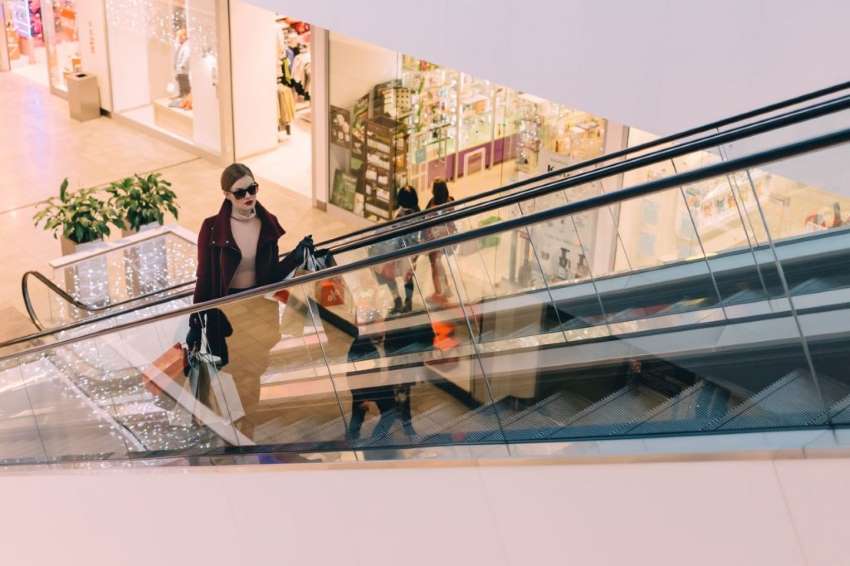
Arian Bassari, Consumer Analyst at GlobalData, although Primark can be confident that the good weather will encourage consumers to purchase items such as T-shirts and shorts – over the long-term it is likely that consumers will observe more caution despite Primark’s budget friendly offerings. A COVID-19 tracker compiled by leading data and analytics company shows 62 per cent respondents in the UK have stopped buying, or are buying significantly less, clothing since the outbreak of the COVID-19 pandemic. This can also be seen across a number of fast-moving consumer goods (FMCG) markets as well, with products seen as luxuries taking a hit as consumers reel in their surplus expenses.
Almost 64 per cent respondents said they have stopped visiting such outlets altogether and a further 18 per cent claimed they are visiting slightly or significantly less frequently. While Primark has the benefit of being a standalone store, there will continue to be apprehension regarding the safety of visiting shopping outlets.
Bassari views though Primark’s decision to reopen is based on an apparent strong demand from consumers, however, overall consumer confidence will ultimately determine how the company and other retailers on the high street perform in the next few months.
Global sustainable footwear market to reach $11.8 bn by 2027
The global sustainable footwear market is expected to expand by 5.8 per cent CAGR to reach $11.8 billion by 2027, according to a new report by market research and consulting firm Grand View Research. The Asia Pacific market is expected to maintain its lead over the forecast period.
Growing awareness among consumers, increasing education levels, social influences, and preference for sustainable products are anticipated to drive future growth of this market. Footwear brands and companies across the world are engaged in retaining their customers by practicing sustainable business practices across manufacturing and supply chain. Sixty eight per cent of consumers consider sustainability to be a driving factor, and hence a part of final purchase.
The sustainable footwear market is segmented into athletic and non-athletic footwear. Of these, the market for athletic footwear is gaining more importance with brands introducing new innovations and developments in this category. Nike recently launched sustainable sneakers made of Flyknit material, which is made from 50 per cent recycled fibre.
Some of the key players operating in this market are Tropicalfeel, Adidas, Nike, New Balance, Rothy's, Veja, Reformation, Nisolo, native shoes, Matisse footwear, Amour Vert, and Threads 4 thought.
Many of these leading global players such as New Balance, Adidas, Nike, and Reebok have changed their way of production to be eco-friendlier. The current practice involves tackling plastic pollution via recycling. For instance, Vivobarefoot designed a line of shoes that is made of recycled bottles and Converse Renew collection uses 100 per cent recycled plastic bottles for its shoes.
Tailored Brands to file for bankruptcy
Bloomsberg reports Tailored Brands — which runs the Jos A Bank, Moores and K&G banners along with Men's Wearhouse — plans to file for bankruptcy as the retailer has struggling with declining top-line for years, while margins and profits have shrunk. It has tried to turn things around with new marketing campaigns and technology services, but comparable sales declines at Men's Wearhouse actually widened last year. The company's long-term debt stands at about $1.1 billion.
Like scores of peers, Tailored Brands reduced its store footprint in March, furloughed employees and cut executive pay as the COVID-19 pandemic spread through the US. While it began reopening stores last month, the shutdown has wrought financial havoc on distressed retailers in particular.
Starting in the first week of March, retailer's performance became more uneven and further decelerated in the second week as local and regional governments started taking actions to slow the spread of the disease. Even though the business apparel specialist has reopened some of its stores, it still faces a potential acceleration in casualization in clothing, as workers around the country work from home.
Zero orders leads to loss for Sri Lankan apparel factories: SLAEA
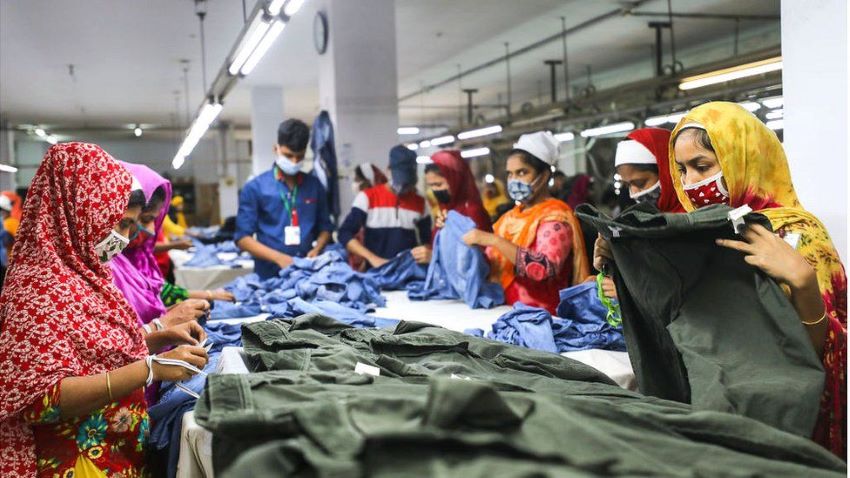
According to Rehan Lakhani, Chairman, Sri Lanka Apparel Exporters Association (SLAEA), though the Sri Lankan apparel sector is showing signs of recovery from the impacts of the pandemic, with the lockdowns being carefully lifted across the world, no confirmed orders have come through as yet that would allow factories to operate at full capacity, from August onwards.
Thus a majority of the manufacturers would operate their factories at a loss, even though they would function at reduced capacities. But their fixed costs would remain the same, placing them at a vulnerable position, Lakhani says. Factories are embracing this reality and trying to survive the crisis period and are looking to get back to normalcy. While a collective effort from the industry is not possible to secure orders for Sri Lanka, Lakhani said that individual companies are doing what it takes to pull as many orders as possible.
Hanesbrands ropes in Stephen Bratspies as new CEO
Innerwear company, Hanesbrands has appointed Stephen B Bratspies new CEO and board member. Bratspies was earlier the chief merchandising officer at Walmart where he oversaw merchandizing transformation initiatives. His résumé, which spans more than 25 years in the retail and consumer sectors, also includes stints at PepsiCo’s Frito-Lay North America and as a management consultant with AT Kearney.
Parent to brands such as Hanes, Bali, Playtex, Maidenform, L’eggs and Wonderbra, among others, Hanesbrands began its search for new CEO in March when current CEO Gerald W Evans Jr announced his retirement after 37 years in the company. Evans, who helped Champion brand’s growth to nearly $2 billion in annual sales and expanded the distribution of Hanes socks and L’eggs hosiery to Dollar General stores nationwide during his time as CEO, will remain as an adviser until his retirement in January 2021.
Meanwhile, Hanesbrands has temporarily closed 1,200 brand stores in the US, Europe and Australia to prevent the spread of COVID-19. Hence, the company’s top and bottom lines suffered during the quarter ended March 28. In April, Hanesbrands furloughed approximately 5,800 of its roughly 63,000 associates to help curb losses.