FW
Dior dominates luxury brands
Dior has emerged as the leading luxury brand internationally, receiving the highest number of unique Instagram mentions and posts from local influencers, resulting in an earned media value of $26.08 million, according to a survey conducted by HypeAuditor.
Gucci, Prada, Louis Vuitton, and Versace also made it to the top five, garnering significant mentions from Indian influencers. Interestingly, Louis Vuitton, despite being the third most mentioned brand, achieved the highest earned media value, accumulating $30.36 million from these posts.
Versace secured the third position, generating an earned media value of $12.99 million. Between January and May, Dior received 1,431 mentions from 841 influencers. Collectively, these top five brands were mentioned by 2,099 local influencers in 4,189 posts, reaching an astounding 554 million users.
HypeAuditor, an analytics firm that employs artificial intelligence (AI) tools for data compilation, collected information from various social media platforms including Instagram, TikTok, and YouTube. Out of 154 posts, Dior was mentioned at least once, with 51% of the posts featuring five or more brand mentions. This indicates its immense popularity among fashion influencers who showcase their daily outfits and include the brands they wear in their photos.
Notably, Dior received mentions from 93 mega influencers, including Avneet Kaur, Anushka Sharma, and Sonam Kapoor. Gucci secured the second position with 1,126 mentions from 701 influencers, including celebrities like Alia Bhatt, Sonam Kapoor, and Darshan Raval. Louis Vuitton received 936 mentions from 557 influencers, resulting in the highest earned media value.
The brand was not only mentioned by its house ambassador, Deepika Padukone, but also by Urvashi Rautela and Sonam Kapoor. Of all the posts, 40% were in the form of reels, the most popular content format in India. Additionally, mega influencers, who have a following of over one million, created 231 posts. The most liked post featured Dior in a carousel by Anushka Sharma, garnering 4.2 million likes on Instagram.
Texcare International adjusts schedule
Texcare International, the leading global trade fair for laundry, drycleaning, and textile services, is set to undergo significant changes in response to the desires of exhibitors and visitors. Organizers have listened attentively and made adjustments to both the event's timing and days of the week, aiming to better accommodate participants.
Starting from 2024, Texcare International will span four days, running from Wednesday to Saturday, specifically from November 6 to November 9, in Frankfurt am Main, Germany. Every four years, Texcare International brings together the global textile-care sector, focusing on technological advancements and fostering knowledge exchange among international business partners. To prepare for the upcoming event, Messe Frankfurt conducted thorough surveys among exhibitors and visitors, both nationally and internationally.
The results were decisive: a majority favored an autumn timeframe, preferred a condensed four-day schedule, and desired enhanced opportunities for learning and networking. Kerstin Horaczek, Vice President of Technology Shows at Messe Frankfurt, emphasized the importance of staying attuned to industry needs and collaboration.
The organizers are thrilled to meet the changing requirements of participants through the new timing and assure attendees that the event's content will also evolve accordingly. In addition, participants were asked about post-Covid challenges for textile care companies.
The key concerns that emerged were the automation of work processes to address the shortage of skilled workers, improving efficiency and quality, and securing energy supplies. The reduction of emissions also garnered significant relevance, highlighting the impact of global political situations on the textile care industry, including high energy costs, supply shortages, conflicts like the war in Ukraine, and the pressing issue of climate change.
Further details and the final thematic focus of Texcare 2024 will be unveiled throughout the year. Exhibitor registration for Texcare International will commence in September 2023. Texcare International's commitment to the industry extends beyond its flagship event in Frankfurt. Messe Frankfurt offers additional textile care gatherings in key economic regions worldwide.
Texcare Asia & China Laundry Expo, the industry's premier meeting in the dynamic Asian markets, is scheduled for September 25-27, 2023. Preparations are already underway for Texcare France, taking place from November 25-27, 2023. Furthermore, The Clean Show will be held in Orlando, USA, from August 23-26, 2025.
Work Apparel Market Shows Promising Outlook
A comprehensive industry report, the Work Apparel Market Status and Prospects [2023-2030], has been published, offering valuable insights into the global market.
The report emphasizes the growing demand for work apparel, driven by the impact of the COVID-19 pandemic on the Healthcare/ICT/Chemical industries. As the U.S. market shows signs of recovery, these sectors are expected to drive increased demand for work apparel.
It highlights the accelerated transformation of healthcare trends, such as changing consumer attitudes and digital health technologies. Furthermore, the report addresses the impact of the Russia-Ukraine War on global industries, particularly the damage caused in 2022 and the subsequent increase in defense spending by European nations.
EU tackles textile waste, promotes sustainability by 2028
In a recent move, the European Commission (EU) has recognized the urgency to address textile waste and consumption in Europe, aiming to regulate the fashion industry by 2028. Fashion production currently contributes to 10% of global carbon emissions, with a staggering 85% of textiles ending up as waste each year, as highlighted in a 2018 United Nations report.
Major fast fashion brands, including H&M and Inditex, have expressed intentions to reduce water and energy consumption while incorporating more recycled textiles. The EU's proposed regulations would require fashion companies to adopt more sustainable practices, holding them accountable for the environmental impact of their products.
To meet these regulations, companies will need to collect a specified amount of textile waste or contribute to local authorities' collection efforts. The requirements will gradually increase over time. EU governments have also agreed to ban the destruction of unsold textiles to encourage recycling and reuse.
Furthermore, the EU is developing legislation to limit fashion brands' use of misleading sustainability claims. The goal is for fashion companies to produce durable garments that can be easily recycled and reused by 2030.
This initiative aims to reduce Europe's environmental footprint and address climate change concerns.
Yarn Expo: Asia's Largest Sustainable Show
Yarn Expo Autumn 2023, Asia's largest yarn and fibre trade fair, is set to highlight sustainable fibres in response to the growing demand for eco-friendly textiles. Taking place from August 28-30, exhibitors such as Arkema, Everest Textile, and The Movement China Ltd will showcase their innovative, low-environmental impact products.
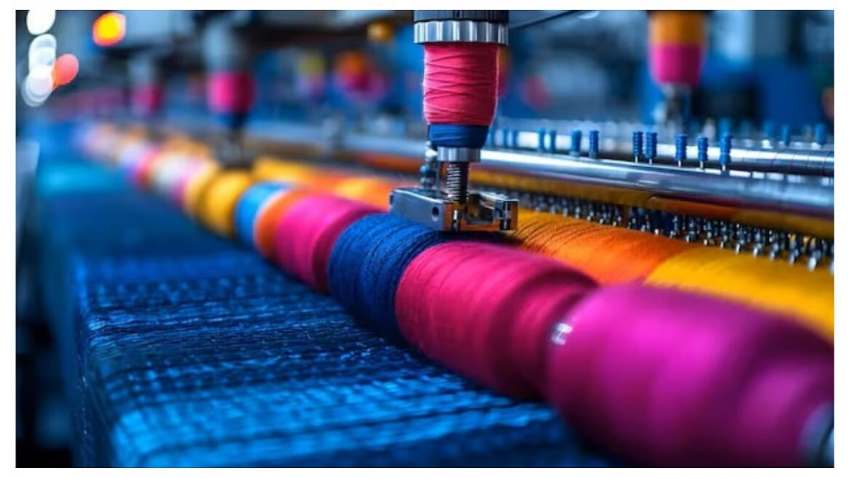
The event will feature a wide range of cutting-edge eco-friendly products across seven major zones, including cotton yarn, chemical fibre, fancy yarn, linen and ramie yarn, wool yarn, cashmere yarn, and overseas yarn. Attendees can network and stay informed about the latest trends in organic, regenerated, and recycled fibres.
The eco fibre market has witnessed significant growth due to heightened environmental awareness and consumer preference for sustainable goods. Asia-Pacific (APAC) leads the global market with a revenue of $14.9 billion in 2022 and is expected to maintain its dominance with a 9.2% compound annual growth rate (CAGR) from 2023 to 2030.
Favorable government policies and a shift towards bio-based alternatives like organic cotton and hemp contribute to this trend. Yarn Expo Autumn 2023 provides a platform for industry players to meet the increasing market demand for eco-friendly yarn and fibre. It offers buyers a compelling opportunity to source sustainable products from a diverse range of exhibitors.
The expo will run alongside Intertextile Shanghai Apparel Fabrics—Autumn Edition, CHIC, and PH Value, creating synergy among the fibre and yarn, apparel fabrics and accessories, and knitted garments industries, opening up new business opportunities for exhibitors and buyers alike.
Re-commerce market to skyrocket: 24.6% CAGR, US$ 652.3B by 2032
The global apparel re-commerce market is booming with the rise of online platforms for pre-owned fashion. This convenient marketplace allows consumers to buy and sell garments and accessories, including footwear. The surge in B2C e-commerce, fueled by internet accessibility, has contributed to the growth of online apparel.
E-commerce sales are projected to reach $2,671 billion at a CAGR of 17.5%. The apparel re-commerce segment is witnessing increased demand as consumers are attracted to luxury items and the opportunity to resell them.
Apparel re-commerce platforms offer services like inventory photography and pricing assistance, along with peer-to-peer marketplaces for price comparison and direct connections. Major companies are investing heavily to drive sales growth. Seasonal inventory, luxury investments, brand momentum, and millennial involvement are driving market expansion.
Key players in the market include Vestiaire Collective, The RealReal, Tradesy, Poshmark, ThredUP, Vinted, SnobSwap, and Threadflip. These companies have collectively invested over half a billion dollars since 2009. Social media, especially among millennials, presents a significant opportunity for apparel re-commerce.
By leveraging platforms like Depop, companies can reach a large customer base through interactive features and user engagement. Depop boasts over 5 million users and monthly sales of 500,000 items, showcasing the potential of social media-driven re-commerce.
In conclusion, the global apparel re-commerce market is expected to grow at a CAGR of 24.6% until 2032. Players can capitalize on the demand for pre-owned fashion, online convenience, and social media influence to drive sales and expand their customer base.
Responsible Sourcing Show Highlights Ethiopia, Philippines
Source Fashion, Europe's latest responsible sourcing show and gateway to the UK fashion industry, will feature the first-ever Ethiopian and Filipino pavilions among its lineup of over 300 exhibitors from 30 countries.
Taking place from July 16-18 at London Olympia, this event promises to be a vibrant showcase of global fashion diversity and sustainability. Suzanne Ellingham, Sourcing Director of Source Fashion, expressed enthusiasm about welcoming manufacturers, designers, and producers from new regions like Ethiopia, Mongolia, and the Philippines.
With thousands of buyers and procurement teams already registered, Source Fashion stands as the sole UK platform offering a wide variety, assurance, and innovative opportunities. As a hub connecting manufacturers and suppliers to fashion buyers seeking security and new creative ranges, Source Fashion plays a crucial role in bridging the gap between global markets.
From raw materials to contract manufacturers, the event encompasses all aspects of the fashion supply chain. The Ethiopian and Filipino pavilions introduce their rich heritage, exceptional talent, and forward-thinking approaches to sustainability. Filipino companies like Artisanat Handmade, Lin-Ay by Binky Pitogo, and Orient Meadow Export Corporation showcase their commitment to craftsmanship and environmental consciousness. Meanwhile, Ethiopian exhibitors like Demka Group, Isabella Socks Manufacturing, Hela Apparel Holdings, Atraco, JP Textile, and Sunshine Ethiopia Wool Textile PLC represent the country's expertise in sustainable garment production.
The Madagascan pavilion at Source Fashion features ethical manufacturing. Returning after a successful debut, the Jordan pavilion showcases prominent brands emphasizing the influence of modest clothing on the fashion scene.
Hosted at the iconic Kensington Olympia in central London, Source Fashion has become a must-attend event for the fashion community, providing a platform to explore sustainability, innovation, and international collaborations.
Men’s Spring/Summer ’24 fashion has thrown out the structured look

Fashion, if nothing else, takes social trends very seriously, even if it just for commercial success. Today, the well-entrenched gender-based fashion collections have blurred their lines as is evident from the red carpet displays and runways of prestigious fashion weeks in the last few years. The idea is to be non-binary and gender fluid and yet retain the semblance of masculine wear so the male consumer is not completely thrown off. To put the change into context is to hear the Grande Dame of fashion, Editor-in-Chief of Vogue, Anna Wintour. She doesn’t believe men and women should have separate rules when it comes to clothing. The boundary should cross over and be celebrated.
Goodbye collars and hello over shirts
Across the Spring/Summer 2024 runways, brands agreed that it’s time to ditch collars on outerwear, if only for one season. From Williams' Louis Vuitton to Zegna, collarless jackets reign in menswear. It’s lighter on the eye and enables a freer flow of the jacket. Another big trend is about the summer blazer being replaced by over shirt. The strong trend for sportswear and comfort has generated new qualities and models. The over shirt, also known as shacked (shirt jacket) is an icon of this style made of wide-repeat checks and plaids in a variety of colours ranging from classic to bright.
Italex forecasts bring ivory back
Trend forecasting style studio Italex is the go-to for fashion houses for colour and fabric trends. According to Italex, ivory is set to return as a key colour for menswear. Organic cotton, slubbed linen and kapok play the ivory theme in the delicate textures of shirt-weight jacquard braids for knitted shirts, geometric motif wool/linen jacquards in 3D effects, or cotton/kapok fil coupé broken ribs. Fil coupé linen/cotton with long fringes creates torn fabric effects which renew the ivory shirt. In another prediction, Italex predicts the return of grunge in menswear but in better aesthetics. Solid colours for the urban style of wool or cotton crinkled checks, narrow repeat lightweight jacquards in mis-dyed indigo colours, tie-dye effect classic stripes on piquet knits. It’s a deliberately dirty and worn-out look for the ever-present grunge style.
Another colour is taking centrestage with reputable fashion houses for Spring/ Summer ’24 is Kermit green. Inspired by all American icon ‘Kermit the Frog’, this green runs through the houses of Ralph Lauren Purple Label, Walter Van Beirendonck and more.
Carry-all cargo pockets
Cargo pockets are a recurring trend across both women’s wear and menswear, and the Spring/Summer ’24 collections confirm that's not changing anytime soon. The spacious pockets across baggy pants, jackets, shirts and even vests, courtesy of Prada, Hed Mayner, 1017 Alyx 9SM and many more are going to be all over next spring and summer as well.
Men’s soft trousers
Call it the lasting effects of quarantine dressing but soft pants that are most often seen featuring stretchy waistbands and made with plush fabrics are just as prevalent for Spring/Summer ’24 runways as the expected tailored trousers. They're paired with polished jackets (Kiton, MSGM, Brunello Cucinelli) and equally cozy tops (JW Anderson, Fendi, Marcelo Burlon) alike, to be comfy at any and all occasions.
Shredded and undone
That undone look is reimagined but more over the top this time as if clothes have been put through a shredder for Spring Summer 2024 in menswear. Dsquared2, Rains, Andersson Bell and others endorse a little bit of destruction in our wardrobes, particularly in the jeans and tails of over-sized over shirts.
EU Pushes Sustainable Fashion Regulations, 2028 Deadline
The European Commission is determined to enforce regulations for sustainable fashion by 2028, addressing its environmental impact.
Textile consumption ranks fourth in environmental and climate effects after food, housing, and transport. Major fast fashion companies like Inditex and H&M are seeking ways to reduce water and energy usage and increase recycled textiles. The Commission plans to introduce 16 legislations holding fashion companies accountable for environmental consequences.
These measures, challenging for fast fashion brands, will require waste collection or financial contributions. The EU aims for durable garments prioritizing reuse and easy recycling by 2030. Annually, the EU discards 5.8 million tonnes of textiles, equal to 11 kg per person, with rapid landfill and incineration rates worldwide.
The Commission also addresses deceptive eco-labels through regulations effective next year. Additionally, EU governments agreed to ban unsold textile destruction, promoting reuse and recycling. Implementation of the ban is expected to take around six months.
Canada: Fashion Prices Drop, Defy Inflation
Shoppers facing frustration over rising inflation can find solace in the realm of shoes and fashion, as prices for these items are currently lower than they were 21 years ago, according to Statistics Canada data. In May, clothing and footwear prices stood at 97.9, 2.1% below the levels recorded in May 2002.
Meanwhile, the overall price index for all items reached 157, with the highest increases observed in gasoline and food. This unexpected trend has surprised experts, with some attributing it to the changing retail landscape, including the entry of Walmart into Canada and the bankruptcy of mid-market retailers like Mexx and Le Chateau.
The stagnation in fashion pricing, coupled with the rise of fast fashion brands like H&M and Uniqlo, has resulted in a surplus of clothing, driving down prices.
Additionally, the COVID-19 pandemic further reduced clothing demand, leading to a downward shift in prices overall. While luxury brands maintain their higher price points, even they have seen reductions compared to years past.