FW
Indian Exporters Thrive with $8B in Amazon Sales
According to Amazon, Indian exporters participating in the Amazon Global Selling program are expected to surpass $8 billion in cumulative overseas sales this year. In the Exports Digest 2023 released by Amazon, it was revealed that exports from India through the program reached $5 billion in the previous year.
The report highlighted the program's growth since its inception in 2015, with a current count of 125,000 exporters onboard. Notably, in 2022, 1,200 Indian exporters achieved sales exceeding Rs 1 crore.
The report also provided insights into popular export categories, which include toys, home and kitchen products, and beauty items. Furthermore, emerging product categories like apparel, groceries, and health and sports equipment demonstrated promising potential for exports.
In terms of regional distribution, Delhi emerged as the leading exporter, followed by Rajasthan, Maharashtra, Uttar Pradesh, Gujarat, and Madhya Pradesh.
Amazon India optimistically highlighted recently the inclusion of a dedicated chapter on e-commerce exports in the FTP'23. This initiative aims to enable $20 billion in cumulative e-commerce exports from India by 2025.
The report also disclosed that more than 266 million 'Made in India' products have been exported to customers in the US, the UK, the UAE, Canada, Spain, France, and Italy through the Amazon Global Selling program.
Italian Textile Machinery Sector Thrives
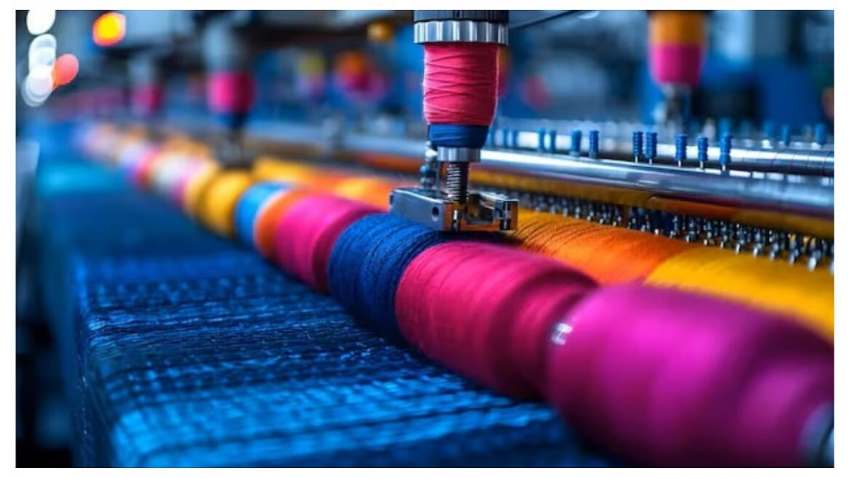
Italian textile machinery production recorded a remarkable 13% growth in 2022, reaching €2.7 billion. The exports also surged by 15% (€2.3 billion), as reported by Alessandro Zucchi, president of ACIMIT. These positive figures, presented during ACIMIT's general assembly, indicated another year of expansion following the sector's strong performance in 2021.
However, uncertainties in the latter half of the year caused a slowdown, posing challenges for the Italian textile machinery industry. Nevertheless, the industry remains optimistic, buoyed by the success of the ITMA exhibition held in Milan in June.
The event attracted over 111,000 visitors and showcased the innovative technologies of Italian manufacturers, highlighting the significance of innovation in the sector. ACIMIT expects the positive outcomes of the exhibition to drive further growth and generate tangible orders for 2023.
ACIMIT, in collaboration with the textile supply chain, has been instrumental in promoting sustainability and circularity in the fashion industry.
They have introduced initiatives such as the Green Label, Digital Ready program, and the Recyclability Index for machinery, aligning with the European Union's Green Deal initiatives. Innovation continues to play a crucial role, differentiating those with promising futures from those who follow suit. During the general assembly, Marco Salvadè was appointed as the new president of ACIMIT, succeeding Alessandro Zucchi.
Nike, Adidas Open Dhaka Showrooms
Two global sportswear giants, Nike from the USA and Adidas from Germany, are preparing to open showrooms in the city within the next two months.
Facilitated by the DBL Group, the same group that introduced Puma to Dhaka in 2019, this move reflects the growing confidence of these renowned brands in Bangladesh's promising growth prospects.
The entry of Nike and Adidas into Bangladesh signifies their recognition of the country's rapid growth, boasting around 35 million affluent and middle-class consumers. While their products have been available in Bangladesh to some extent, their high prices have been a challenge. For instance, Bata sells the Adidas Adizero Select sneaker for men at a significantly higher price than in international markets.
Nike, Adidas, and Puma primarily offer a wide range of shoes, especially sports shoes, along with sportswear, bags, caps, and other apparel products. Their global presence includes thousands of stores worldwide, and the opening of showrooms in Dhaka has been well-received by the upper middle class and upper-class buyers in the area.
Reducing import taxes and granting permission for local manufacturing could potentially make these products more affordable for consumers. While local brands like Apex Footwear Limited, Bay, Bata, and Lotto have made progress, their products often lack the quality and brand value of Puma, Nike, and Adidas.
Factors such as low demand, affordability, inadequate quality, limited technological advancements, and a lack of innovation hinder the development of high-quality local footwear products. To bridge this gap, industry experts suggest investing in quality development centers and innovation, as well as improving customer perception of local brands. By doing so, local companies can aim to match the international standards set by renowned brands like Nike and Adidas.
Bespoke clothing could lead the way to sustainability

The idea of bespoke, made-to-measure clothing may sound like the preserve of the wealthy and those with couture ateliers at the tap of their ritzy smartphones, but it isn’t actually that long ago that made-to-measure was, for many, the standard way of buying clothes. They remained popular until the 1940s when the introduction of a standardised sizing system in the US, and from those foundations, the fashion industry forged into a future of rails of identical dresses, shirts and jackets in an industry-approved range of sizes.
This more standardised approach drove costs down, and as high-end department store paved the way for the high street shop, and later, online shopping, fashion undoubtedly became more accessible and democratised. Shopping became a pastime and ready-to-wear clothing became the norm. Things heightened with the entry of fast fashion, and Zara led the way back then and later mimicked by many, the most successful one today being Shein. The consumer mantra for fashion became ‘More is less’.
The dark side of readymade garments
However, the world is now well-aware of the cost of volumes of standardized readymade garments and fast fashion that have flooded every market on the planet. Landfill after landfill of discarded garments that did not pass muster or remained unsold, exploitation of labour in under-developed and developing countries, questionable child labour malpractices, unhealthy work conditions and toxic dumps into water bodies – the consumer now realises the trail of environmental damage their appetite for fashion has caused. With these issues making headlines, consumers are beginning to embrace made-to-measure once more. As Megan Crosby, founder of the eponymous label By Megan Crosby says about made-to-measure “Made-to-measure feels like a refreshing dive into a more innovative, caring and sustainable future for fashion.”
Custom clothing to grow at 9.56 per cent CAGR
According to Proficient Market Insights, a research and analysis firm, custom clothing is expected to grow at 9.56 per cent CAGR between 2022 and 2027. In this period, its value could be over $78,902.04 million. The global Custom Clothing (made to measure) market size was valued at $45,623.19 million in 2021. Traditionally, the reputable labels that were in custom-made clothes globally were Ermenegildo Zegna, Ralph Lauren, Brioni, Baoxiniao, Kiton, and Pierre Cardin. Now Armani, Gucci, Versace, Chanel, Saint Laurent from the world of haute couture and they deep-dived into this sector still considered niche. Clearly, the fashion big houses don’t make custom-made affordable for the masses and seizing this opportunity, H&M, Massimo Dutti, Mango, Zara and Guess have started their more affordable custom-made clothing line.
Europe is the largest market, with about 35 per cent share, followed by North Amercia and China, with around 45 per cent share. In terms of products, coats are the largest segment with 55 per cent share. In terms of application, the largest application is store, followed by online.
Custom-made clothing in India through startups
Devoid of the hype and glamour, even today custom-made clothing is a quietly run business flourishing cheek by jowl next to glittering high streets and dazzling malls. Until the late 90s, most Indians had their garments tailored – based on economics, from the neighbourhood tailors to the ritzy ones ensconced in premium areas and exclusive five star shopping arcades.
Young and digital savvy, new Indian business owners have started companies that specialize in custom-made clothing that goes beyond the product as in, they are selling an experience. As the Indian consumer has been hailed as one of the more sustainability conscious consumer, return to customized clothing of quality is the natural choice. Today’s start-ups incorporate the best the world of digitisation has to offer to produce not only the perfect garment for the individual but to keep them engaged all the way to the end.
Sustainable viscose alternatives revolutionize fashion
Viscose rayon, a textile with a complex history and multiple aliases, has often been touted as eco-friendly. However, its production from tree pulp raises environmental concerns. As the fashion industry seeks a more sustainable alternative, recent developments have showcased two potential next-generation viscose textiles.
These alternatives were presented at a London trade fair, sparking hope for a greener future. One promising option involves producing viscose from recycled cotton. The abundance of clothing waste makes it an exciting feedstock, despite the challenges of collecting and sorting textile waste. Companies like Renewcell are leading the way in textile recycling, processing shredded cotton garments into cellulose sheets and ultimately extracting viscose yarn.
This new material, known as Circulose, boasts lower carbon emissions, reduced water usage, and fewer chemicals compared to traditional viscose. Another innovative approach involves using coconut water waste to create cellulose for viscose production.
Nanollose, an Australian company, harnesses a fermentation process with bacteria that converts sugars into cellulose.
This translucent yarn, similar to lyocell, shows potential for scale due to minimal resource requirements and a short production cycle. With these sustainable alternatives emerging, the fashion industry faces the critical question of whether a large-scale transition is possible.
Pure London: Fashion's UK Takeover
Pure London, the UK's largest Festival of Fashion, is set to dominate Olympia London in just two weeks. The event will feature an extensive array of exhibitors, including several brands launching themselves into the UK market. Notable debuts include Twin by Tare Issacs, Enorsia, Poetiron, Hoodies & Stones, Wear Evelin, Yui-ga Dokson, FLIP, Rad Planet Friendly Industries, Jocie Juritz Collection, Kunor Diamonds, Eno Eco, and a collaborative effort from Ubere Mama.
Gloria Sandrucci, Event Director at Pure London, expressed her pride in the number of brands choosing the festival as their UK launch platform. With an extensive audience of buyers and visitors from around the world, Pure London facilitates connections between these industry professionals and a multitude of exciting brands.
The event offers trend reports, styling sessions, and leading seminars to assist brands venturing into the UK market. The lineup of new brands this season promises to impress attendees, and Sandrucci eagerly awaits their reactions when doors open on July 16th. The womenswear section will showcase Twin by Tare Isaac, known for its authentic Nigerian cultural influence.
Hoodies & Stones will present an alternative to Western fashion by incorporating traditional African culture into their designs. Poetiron offers a unique blend of art and fashion, turning clothing into wearable art pieces. FLIP, a reversible and unisex brand, joins the new POP Destination, while the Jocie Juritz Collection presents imaginative ankle boots featuring cat illustrations.
Eno Eco introduces an innovative collection of eco-conscious bras and swimwear designed for post-unilateral mastectomy wear, emphasizing sustainability and self-acceptance. Pure London will return to Kensington Olympia from July 16th to 18th, 2023, featuring over 250 brands unveiling their latest collections.
EU Commission Revolutionizes Sustainable Textiles
The EU Commission introduces regulations to foster a sustainable and circular economy in the textile sector. Aligned with the EU Strategy for Sustainable and Circular Textiles, the proposal holds producers accountable for the entire lifecycle of their products and encourages sustainable management of textile waste across the EU.
The proposal aims to transform the industry by accelerating separate collection, sorting, reuse, and recycling of textiles.
This will increase the availability of used textiles, create local jobs, reduce consumer costs, and mitigate environmental impacts. A key element is the mandatory and harmonized Extended Producer Responsibility (EPR) schemes for textiles in all EU Member States.
Producers will cover the costs of textile waste management, incentivizing waste reduction and circular product design based on environmental performance. The proposal includes common EU rules for extended producer responsibility, facilitating separate textile collection by 2025.
Producer contributions will fund investments in infrastructure for collection, sorting, reuse, and recycling. The goal is efficient sorting for reuse, prioritizing recycling for non-reusable items. Social enterprises involved in textile treatment will benefit from expanded business opportunities and a larger second-hand market.
The proposal promotes R&D in innovative technologies like fiber-to-fiber recycling to enhance circularity. To combat illegal textile waste exports, the proposal clarifies waste and reusable textile definitions. It aligns with forthcoming waste shipment regulations, ensuring environmentally sound waste management during exports.
The Waste Framework Directive revision also addresses food waste separately. The European Parliament and Council will review the proposal through the legislative procedure.
Apparel Group & Alinma Bank Unite: Loyalty Programs Revolutionized
Apparel Group, a dominant force in the fashion and lifestyle industry, has proudly announced an exciting collaboration with Alinma Bank, the region's premier center for innovative, Shariah-compliant banking services.
This strategic alliance opens new avenues for Alinma Bank customers to redeem their hard-earned loyalty points at all Apparel Group store locations across Saudi Arabia (excluding Adidas and R&B brands).
The groundbreaking partnership aims to provide Alinma Bank customers with unparalleled convenience and flexibility in utilizing their loyalty points across Apparel Group's diverse brand portfolio in the Kingdom.
With this unique initiative, customers will enjoy a seamless and versatile shopping experience. "We are thrilled to unveil our strategic partnership with Alinma Bank, a collaboration that will redefine the retail landscape and deliver greater value to our esteemed customers," declared Mr. Neeraj Teckchandani, CEO of Apparel Group.
He further emphasized, "In a time when customers demand more from their shopping journeys, we are responding with an innovative fusion of retail and finance. This strategic alliance not only enhances our customer engagement but also signifies a significant transformation in our business model, aligning our goals with the evolving market demands.
It paves the way for revolutionizing retail loyalty programs in Saudi Arabia." Effective immediately, Alinma Bank customers can visit any Apparel Group store to redeem their points, elevating their shopping experiences to new heights.
No-show US recession rekindles hope in fashion segment

The impending gloom of a recession in 2023 may just be a false alarm as corporate mergers and acquisitions keep happening while inflation levels remain controlled with most countries bouncing back to post-pandemic days despite the geopolitical and other economic tensions. The US economy as a power-house that leads all others, is currently displaying strong signs of resilience. Although some industry segments may be shrinking under inflation, it seems to be a rolling recession where the overall economy does not stagger and bring a country down to its knees.
Layoffs and their after-effects are mainly happening in well-paying industries like technology and finance which have educated skilled professionals who are financially able to withstand these financial downfalls as they are not in a hand-to-mouth economic situation. Restaurants, hotels, construction companies, and other labour industries that hire locals and expats have actually been a major driver of job gains as consumers throng back in post-pandemic days staving off a recessional market.
“The common explanation for the no-show recession despite the 500 bps hike in federal funds rate is that consumers were still spending their excess savings from the pandemic. But once this cash is spent over the rest of this year, the thinking goes, a consumer-led recession is likely in 2024. Consumers’ excess savings of roughly $0.5 trillion currently is dwarfed by the net worth held by the ‘Baby Boom’ generation that is retiring. They have just started to spend it,” explains veteran industry market watcher, Edward Yardeni, Founder of Yardeni Research Consultancy to Bloomberg Media.
Deloitte report showcases many recent business deals
As per ‘Global Fashion & Luxury Private Equity and Investors Survey 2023’ report by Deloitte, the fashion and luxury industry had quickly rebounded in post-Covid years of 2021 and the first half of 2022 while registering business deals. Although continued recovery cannot be relied on and business can downshift quickly if inflation hits consumers, the time is probably not right now.
Last year, around 292 M&A deals were finalized in the luxury industry, as opposed to 284 in 2021 with eight more showing a 2.8 per cent increase. The biggest and the best deal was the $2.3 billion acquisition of the Tom Ford label by US beauty giant Estee Lauder. Other M&A deals in the personal luxury goods sector of the industry accounted for 43.2 per cent although the number was down by 30 last year. The general apparel and accessories segment also did well in terms of acquisitions with a total of 77 operations concluded in 2022 which was lesser by 11 compared to 2021, which by far has been the most profitable post-Covid year so far.
Fashion and luxury segment remain attractive for investors
In general, sales in the luxury hotel segment led the 2022 ranking with 98 acquisitions, followed by apparel and accessories and then by the furnishing and furniture category, which recorded 36 deals. Most US industry analysts remain buoyant as the impending threats are still far away on the horizon and many factors such as the banking turmoil after the collapse of Silicon Valley Bank last spring and political fights such as the fight in Congress over the government’s borrowing limit have all been almost resolved.
The Deloitte report has estimated the luxury industry will be potentially attractive to eight out of every ten investors in 2023 in the fashion and luxury segment. Most investors’ interest will be concentrated in cosmetics & fragrances (63 per cent), apparel & accessories manufacturing (50 per cent), furniture (50 per cent), and watches & jewelry (33 per cent), with personal luxury goods still one of the most attractive categories for investors.
However, investors are favouring the lean and mean look with wanting to keep expenses low by investing only in small-sized companies and medium-sized firms, as they remain watchful of an uncertain economic future and build their bridges accordingly over troubled waters.
Steve Madden's Kuwait Flagship Revealed
Leading fashion and lifestyle company, Apparel Group announced the global debut of Steve Madden's ground-breaking flagship concept store design in the Middle East region.
Two new Steve Madden stores have opened their doors in Kuwait spanning 2,164 square feet at Avenues Mall and 1,593 square feet at Assima Mall, these stores introduce a fresh and captivating retail concept that aims to elevate the customer experience through ingenious designs and unique visual merchandising. The strategic expansion follows the success of Steve Madden's existing stores at Al Kout Mall and Al Khiran Mall, bringing the brand's presence to a total of 25 stores across the GCC.
This achievement showcases the brand's popularity and robust growth in the region, further strengthened by its partnership with Apparel Group reinforcing its commitment to deliver global fashion experiences to its customers.
This ambitious growth strategy positions the brand at the forefront of the ever-evolving retail fashion industry.