FW
China's raw silk exports drop amidst global trends
China's raw silk exports plummeted to 307 tonnes in June 2023, marking a 12% drop from the prior month and a notable decline in overall exports. In contrast, the unprecedented 73% month-on-month surge in March 2023 set a remarkable growth record.
In terms of value, raw silk exports dwindled to $18M in June 2023 (as per IndexBox estimates), reflecting a substantial decline. Notably, the fastest expansion was witnessed in March 2023, when exports surged by 76% month over month.
Vietnam (67 tonnes), India (107 tonnes), and Romania (72 tonnes) emerged as the top three destinations, comprising 80% of China's raw silk exports. During June 2022 to June 2023, Romania experienced the most notable growth in exports (CAGR +12.0%), while other key markets displayed varied trends.
In value terms, Vietnam ($3.8M), India ($6.4M), and Romania ($4.4M) collectively contributed 79% to China’s total raw silk exports. Notably, Romania showed the highest export value growth with a CAGR of +10.6%, while other major destinations saw diverse trends.
Examining export prices, raw silk was priced at $60,122 per tonne (FOB, China) in June 2023, representing a -3.4% decline from the previous month. Although the overall export price trend remained steady, April 2023 saw the peak at $65,164 per tonne, while a decline followed in the subsequent months.
Across key external markets, average prices varied. Italy and Myanmar boasted the highest prices in June 2023 ($65,920 and $61,775 per tonne, respectively), while Bangladesh and Vietnam offered lower costs ($56,216 and $56,699, respectively). Notably, Myanmar experienced the most noticeable price growth from June 2022 to June 2023 (+0.8%), while other major destinations displayed moderate changes.
Falling US garment imports hit Asian exporters

The fact that the American economy is in a state of flux resulting in a drop in citizens’ confidence in economic stability in 2023 is perhaps the main reason why American consumers are being forced to prioritize their spending. They are trying to shore their disposable income for rainy days. And this has impacted both apparel retail sales and import of clothes.
The fashion industry’s sales are on a roller-coaster ride. This in turn has led them to be cautious about import orders for fear of clogged inventories. As per stats between January and April 2023, the US imported $25.21 billion worth of garment from around the world, 22.15 per cent lower than same period last year when the figure was $32.39 billion.
Survey indicates lower orders to continue
In fact, the import scenario is likely to continue for some time. The United States Fashion Industry Association conducted a survey between April and June 2023 amongst 30 leading fashion companies, most of whom are sizeable as they have over a thousand employees. While the new economic scenario according to governmental statistics showed last year inflation rate was 9.1 per cent, in late April 2023 it dropped to 4.9 per cent however, customer confidence hasn’t returned, said the 30 brands who participated in the survey.
This indicates the chances of them increasing orders are slim this year. The 2023 fashion industry benchmarking study found inflation and the economic outlook in the US was now the top concern of respondents. Further, bad news for Asian garment exporters is that only 50 per cent respondents said they ‘might’ consider increasing their sourcing value compared to 90 per cent in 2022.
The situation in the US is in keeping with the rest of the world as globally, the garment sector is predicted to shrink by 30 per cent in 2023 -- the global market size of apparel was $640 billion in 2022, which is expected to drop to $192 billion by the end of this year.
China loses to fellow Asian suppliers
The other factor affecting American garment imports is the US ban on garments associated with Xianjiang cotton. Almost 61 per cent of survey respondents no longer use China as their top supplier in 2023, a major shift from about quarter of those surveyed before the pandemic. Some 80 per cent said they plan to reduce apparel sourcing from China over the next two years.
Currently, Vietnam is the next most utilized supplier after China, followed by Bangladesh, India, Cambodia and Indonesia. Garment exports from China, the largest clothing supplier worldwide, to the US declined 32.45 per cent to $4.52 billion in January-April of this year compared to the corresponding period last year, reveals OTEXA stats. Although Vietnam gained from the Sino-US standoff, it too experienced a huge exports decline to the US almost 27.33 per cent to $4.37billion in January-April period of current year compared to the same period last year.
Bangladesh and India feel the heat
The US is Bangladesh’s second largest RMG export destination and as the current scenario indicates, Bangladesh is facing a continuous uphill challenge in the RMG sector. According to OTEXA, Bangladesh earned $4.09 billion during January to May 2022 from exporting RMG to the US but in the corresponding period this year, earning dropped to $ 3.30 billion. Similarly, figures from India report negative growth. Indian RMG export to US dipped 11.36 per cent to $4.23 billion in Jan-June 2023 from $4.78 billion in Jan-June 2022.
Moda: The ultimate fashion destination at Autumn Fair 2023

Moda, the ultimate fashion destination, is set to dazzle visitors at the Autumn Fair, taking place from 3rd to 6th September 2023 at NEC Birmingham. This exciting event will feature four distinct sectors: Clothing, Footwear, Fashion Accessories, and Jewellery & Watch, offering a curated space to explore and purchase the latest trends and must-have looks for the new season.
Among the 200 strong showcase of fashion brands, over 40 new and 20 international brands will debut their collections at Moda. Notably, Dame Prue Leith for Zsiska will unveil her new jewellery collection, adding to the allure of this fashion extravaganza. Islander UK, Coastal UK, Elizabeth James, Elegxnt Clothing, Miss Sparrow, From the Source, and Tales From The Earth are some of the newcomers to Moda, ready to present their latest designs to UK and overseas retailers and buyers.
Islander UK's accessories collection blends heritage fashion with contemporary twists, featuring signature tartan fabrics sure to capture attention. Coastal UK specializes in leather goods, while Elizabeth James offers luxury yet affordable leather bags with chic designs. Elegxnt Clothing will launch the 'perform collection,' empowering women with stylish activewear, and Miss Sparrow will showcase personality-filled accessories full of fun and originality. From the Source brings traditional crafts and textiles to the forefront of fashion.
Adding an international touch, Moda will feature collections from renowned brands like Alpe, Soruka, Karen and Chiara Designs, Lakshya Gems, Zsiska, and Merry People. Alpe, a Spanish footwear brand, combines trendiness and versatility, while Soruka creates sustainable handbags using recycled leather. Merry People from Australia offers modern, unisex rain boots that blend practicality with style. Karen and Chiara Designs, Polish handbag brands, bring timeless and sophisticated styles to the show. Lakshya Gems from India impresses with silver jewelry adorned with natural gemstones.
A highlight of the event is Zsiska, showcasing its 100% handmade resin jewelry inspired by art and nature. This season, they will unveil a special collaboration with Dame Prue Leith, featuring five striking collections named after Greek Goddesses, each exploring different inspirations and styles of beads.
Autumn Fair itself boasts over 1000 brands covering various lifestyle products from clothing and fashion accessories to home fragrances, gifts, and interior accessories. Additionally, Connect @ Autumn Fair, a transformative connections program, will facilitate networking opportunities for the home, gift, and fashion retail community, ensuring an efficient and rewarding experience for both buyers and exhibitors.
With so much to offer, Moda and the Autumn Fair are undoubtedly the must-attend events for fashion enthusiasts and retailers seeking the latest trends and innovative designs for the upcoming season.
Talk about India’s falling cotton production maybe overhyped

When Terry Townsend, former executive director of the International Cotton Advisory Committee, raised a red flag that India is on the brink of a potential “cotton crisis” and the Indian government seems indifferent to the pending crisis it had a dominos effect with many other experts joining in the chorus.
The hype starter with estimates of current 2022-23 crop by major statistical organization showing production that’s on par with earlier year at more than 5 million metric tons, the amount of seed cotton delivered by farmers to procurement centers as of February was 1.1 million metric tons, which was behind the pace of previous season. Townsend saw it as a huge red flag. Ever since, most Indian trade journals have highlighted the impending cotton crisis and projections till first half of 2024 indeed show a drop.
The ‘crisis’ conclusion had evidence
Townsend’s conclusions were backed by evidence -- adverse weather, driven by climate change, is one of them. Heavy rains soaked the western Indian states of Gujarat and Maharashtra last year and ruined crops. In Haryana and Punjab, an infestation of pink bollworm, exacerbated by unfavorable conditions, wreaked extensive havoc for a second consecutive year. Low-quality seeds with poor germination success are another persistent issue plaguing growers country-wide.
Meanwhile, the USDA expects India’s cotton exports to slip to its lowest levels in 19 years during the ongoing crop season October 2022 to September 2023. Reason, the USDA expects farmers to shift to other profitable crops such as oilseeds and pulses leading to a dip. Indian cotton yarn exports had hit a decadal low of 664,000 tons in FY23, compared to the highest exports of 1.38 million tons in FY22.Latest Ministry of Agriculture figures indicate, cotton sowing across India was 8.5 per cent lower year on year at 7 million hectares due to a shrink in cultivation in some major growing states such as Maharashtra, Andhra Pradesh, and Telangana amid patchy rainfall. Many farmers say they are worried about producing a crop that is so reliant on water, of which there is no guarantee as climatic conditions have changed drastically and long periods of drought are playing havoc with the crop and soil. The only Indian state that saw a 4.6 per cent increase in crop production was Gujarat as it was blessed with a copious amount of rainfall last year.
The real scenario
However, there may have been some amount of miscalculation by experts. The seed shortfall prediction was not really a shortfall as the seeds were in captive status by farmers who had kept back stocks in the hope that eventually cotton seed prices would rise, enabling them to acquire better profits. Meanwhile, Townsend acknowledged he drew wrong conclusions from a situation he’d never before seen in decades in the cotton industry. His conclusions were merely based on lower cotton seed arrivals, which he foresaw as drop in India’s cotton supply chain.
Meanwhile CAI had initially projected a lower cotton output of 298.65 lakh bales, the lowest since 2008-09 in May 2023. However, the Committee on Cotton Production and Consumption estimated a higher output of 343.47 lakh bales for the same year. CAI members, including the crop committee, discussed pressing data provided by state associations and inputs from other stakeholders. However, after the Townsend confession, CAI reconvened on July 10, 2023 with cotton stakeholders and revised India's cotton output projection for the year 2022-23 to 311.18 lakh bales (each weighing 170 kg).
According to a CareEdge report, Indian cotton yarn industry is likely to register a sales volume growth of 5-7 per cent, while operating margin is expected to expand by 100-150 bps in FY24 compared to FY23. Last year, cotton production in India declined from 35.2 million bales in cotton season (CS) 2020-21 to 31.1 million bales in CS 2021-22. The lower cotton production caused a steep surge in the cotton prices. The average domestic cotton price registered a peak of around Rs 1 lakh per candy (Rs 280/kg) in FY23. The mismatch between the domestic and international prices impacted cotton exports significantly and India witnessed its lowest cotton yarn exports in a decade. In FY23, India’s cotton yarn export stood at 664,000 tons against the decade’s highest exports of 1,389,000 tons in FY22.
Despite troubles last year, cotton farmers are enthusiastic about the fibre crop. As per recent data by the Gujarat government, as of July 17, farmers have already completed sowing of cotton for 2.53 million hectare of land in Gujarat. This area is slightly lower than the last year’s area of 2.55 million hectare, but the sowing season will go on for at least two more weeks and it is expected that the total area under the crop will exceed the area last year.
Chinese apparel and textile exports decline in H1 '23
Chinese apparel and textile exports faced challenges in H1 '23, with apparel exports declining by 6% to $74.98 billion compared to the previous year. The slowdown was mainly due to a drop in US imports, China's primary export destination, falling by over 30% in Jan.-May '23. However, there's a glimmer of hope as June '23 showed signs of recovery, with apparel exports reaching $15.42 billion. Meanwhile, textile exports also saw a significant 11% decline to $67.69 billion in H1 '23.
Wrangler announces sponsorship deal with Dallas Cowboys
American denim brand Wrangler solidifies a new multi-year sponsorship deal with the Dallas Cowboys, marking a meaningful connection between the two iconic American symbols. Wrangler plans to celebrate cowboy culture during the 2023-2024 Cowboys season with activations at AT&T Stadium, social content featuring players, cheerleaders, and the Flag Team, and in-store promotions in Texas-based retail locations on Wednesdays. The sponsorship reflects the natural alignment of Wrangler's brand values with the lifestyle of Cowboys players and fans, creating a shared bond and mutual fandom for denim's iconic brand.
Mango expands with first Texas store in Memorial City Mall
Barcelona-based fashion brand Mango opens its first store in Texas at Memorial City Mall as part of its ambitious U.S. expansion. The store exclusively features the Woman line, reflecting contemporary Mediterranean trends. Mango aims to open 15 stores in 2023, with six planned for Texas malls. The company's expansion also targets Georgia and California, aiming for 40 U.S. stores by 2024 to establish the U.S. as one of its top five sales markets. Despite its record revenue of nearly $3 billion in 2022, Mango declined to disclose specific U.S. sales figures. The brand has had a U.S. presence since 2006.
India: RSWM to expand cotton yarn capacity
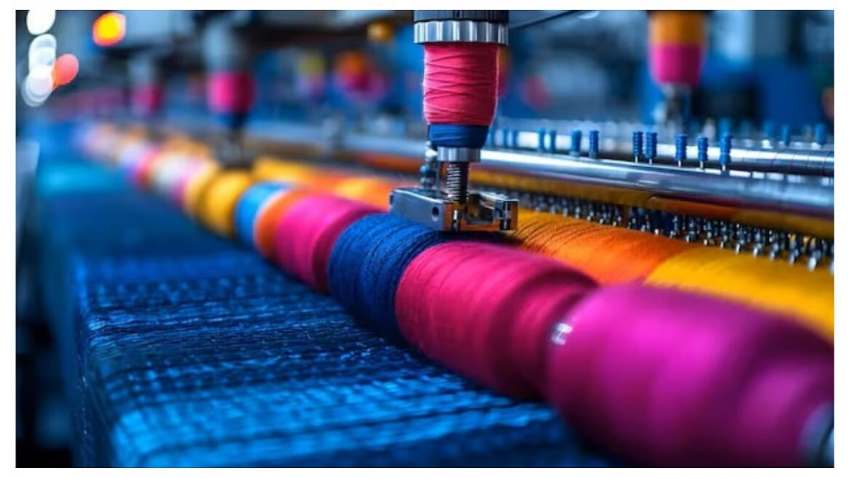
RSWM Ltd., a leading textile manufacturer and exporter from India, is investing ₹315 crore to expand its compact cotton yarn capacity at Lodha Unit, Banswara. The current spindle capacity of the Banswara unit is 95,376, and the investment will increase it by 51,072 spindles during FY 2023-24. RSWM Limited, part of the USD 1 billion LNJ Bhilwara Group, exports yarns and fabrics to 90 countries worldwide. The decision to expand is driven by the growing demand for cotton yarn, with an expected 10% volume increase in FY2024. The expansion aims to create job opportunities, with a focus on women empowerment.
US synthetic yarn exports down in May 2023
In May of 2023, the United States experienced a 29% increase in synthetic yarn exports, amounting to 15,000 tons. However, this figure marked a 15% decrease compared to the same month the previous year.
The total value of these synthetic yarn exports reached $46 million, indicating a 31% rise from the prior month, yet a 10% dip from the corresponding month the previous year. The primary recipient of synthetic yarn exports from the United States was Honduras, commanding a significant 80% portion of the overall exports.
Mexico secured the second-highest position with a 3% share. Regarding product classification, the most prominent type of exported synthetic yarn from the United States was yarn (excluding sewing thread) made from synthetic staple fibers, not intended for retail sale.
This category represented an overwhelming 98% of the total export volume. The mean export price for synthetic yarn in May 2023 stood at $3,134 per ton, showing a decline of 5.4% compared to the preceding month.
The average price displayed discernible variation based on the destination country. Canada recorded the highest average price at $8,679 per ton, while Honduras had the lowest at $2,918 per ton. In summary, synthetic yarn exports from the United States underwent a decline in May 2023, attributed to a combination of factors, including the persistent COVID-19 pandemic and the ongoing conflict in Ukraine.
Nevertheless, amidst these challenges, positive aspects emerged, such as robust demand from Honduras. It is noteworthy that opportunities and challenges continue to shape the landscape of synthetic yarn exports from the United States.
Bangladesh eyes respectable apparel market share by 2030
In its annual release of global apparel trade data for 2022, the World Trade Organization (WTO) reports that Bangladesh has maintained its status as the world's second-largest exporter of clothing, following China.
Bangladesh's presence in the international apparel market has surged to 7.87% in 2022, a remarkable rise from the 6.37% recorded in 2021. Throughout 2022, Bangladesh's clothing exports exhibited a significant 32.60% year-on-year increase, reaching a value of $45.35 billion, up from $34.20 billion.
Similarly, China experienced a modest 3.60% annual growth in apparel exports, with figures climbing to $182.42 billion from the previous year's $176.08 billion. Nevertheless, China's market share saw a slight dip, sliding to 31.67% in 2022 from 32.79% in 2021.
Bangladesh is now setting its sights on capturing a 12% share of the global apparel market by 2030. Impressively, the nation has already surpassed China in volume within the European Union and is anticipated to outpace China in terms of dollar value by year-end. The driving forces behind Bangladesh's burgeoning apparel export industry encompass a range of factors, including its competitive labor costs, adept workforce, and robust infrastructure.
Notably, Bangladesh has made significant strides in sustainability, rendering it an alluring hub for international brands and retailers. However, projections for 2023 foresee a deceleration in global apparel trade due to economic deceleration and geopolitical tensions, particularly the conflict in Ukraine.
Bangladesh confronts challenges such as escalating inflation and shipping expenses. Despite these obstacles, Bangladesh is favorably positioned to sustain its apparel export expansion in the forthcoming years.