FW
United States Tops Fashion Startup Rankings with $223 Billion Unicorn Valuations

With the global apparel market set to witness a substantial 11% revenue growth over the next four years, aspiring entrepreneurs are increasingly eyeing the fashion industry. To shed light on the most promising locations, JOOR, a wholesale expert company, conducted a comprehensive study evaluating several key factors, including country population, import and export figures, apparel market valuation, and the presence of 'unicorn companies' in the consumer and retail market. Unicorns are privately held startup companies valued at over $1 billion.
The study reveals that the United States ranks as the number one destination for fashion startups, boasting a high score of 9.27 out of 10. The "land of opportunity" houses unicorn startups valued at a staggering $223 billion, instilling hope in new entrepreneurs. Moreover, the export/import ratio of 6.99 indicates a flourishing market with a surplus of materials. The US apparel market also demonstrates a steady annual growth rate of 2.7%.
Securing the second position on the list is the United Kingdom, scoring 8.61. While the UK exhibits a higher annual growth rate in the apparel market (3%), the valuation of unicorn startups in the consumer and retail space is comparatively lower, standing at $4.4 billion. The country's export/import ratio of 5.57 further signals a thriving market.
Canada ranks third as an attractive location for fashion startups, earning a score of 8.48 out of 10. With unicorn startups valued at $12.4 billion and an annual apparel market growth rate of 3.5%, Canada offers a stable environment for fashion entrepreneurs. Additionally, the country maintains a healthy export/import ratio of 6.69.
Germany secures the fourth spot, with a score of 7.93 out of 10. The valuation of consumer and retail unicorn startups in Germany is an impressive $14.5 billion. Furthermore, the country's export/import ratio of 2.08 signifies favorable market conditions. Germany's apparel market demonstrates a steady annual growth rate of 2.20%.
China claims the fifth position as an appealing destination for fashion startups, scoring 7.88 out of 10. With unicorn startups valued at a massive $239 billion, China leads the pack in this category. Moreover, the country's apparel market boasts an astounding annual growth rate of 6.30%. However, the low export/import ratio of 0.12 poses a potential challenge for businesses.
US Fashion Industry Faces Challenges and Seeks Sustainability, Reveals Study

The United States Fashion Industry Association (USFIA) has recently published its tenth annual Fashion Industry Benchmarking Study, based on a survey of executives from 30 leading fashion brands, retailers, importers, and wholesalers, including some of the country's biggest names in the industry. The study, conducted in collaboration with Dr. Sheng Lu, Associate Professor in the University of Delaware Department of Fashion & Apparel Studies, delves into various aspects of the industry, including business outlook, sourcing practices, trade agreements, and views on trade policy.
One of the major findings from the survey is that the uncertain macroeconomic outlook is presenting significant challenges to U.S. fashion companies in 2023. With economic conditions remaining unpredictable, businesses are grappling with planning and decision-making.
The survey also highlights the escalating concerns among U.S. fashion companies about the deteriorating bilateral relationship between the United States and China. As a result, many companies are strategizing to reduce their exposure to China, aiming to mitigate the risks associated with the geopolitical situation.
Tackling forced labor risks in the supply chain emerges as another critical challenge facing U.S. fashion companies in 2023. Companies are confronted with the complex task of ensuring their supply chains are free from any association with forced labor practices.
Amidst these challenges, there is a notable enthusiasm among respondents to increase apparel sourcing from CAFTA-DR members. The Central America-Dominican Republic Free Trade Agreement (CAFTA-DR) is seen as an attractive option for diversifying sourcing locations.
The survey also reveals a strong commitment among respondents to expand their sourcing of clothing made from recycled or other sustainable textile fibers. Sustainability remains a key focus for the industry.
Lastly, respondents overwhelmingly support and stress the importance of the early renewal of the African Growth and Opportunity Act (AGOA), advocating for its extension for at least another ten years. AGOA is a crucial trade preference program that facilitates trade between the U.S. and eligible African countries.
As the U.S. fashion industry navigates through uncertainties and evolving trade dynamics, the study provides valuable insights into the industry's outlook and strategies. By addressing issues like China exposure, forced labor risks, and embracing sustainability, fashion companies aim to remain resilient and competitive in the challenging landscape.
Shein achieves record sales 2023
Despite facing multiple lawsuits and government scrutiny in the US, Shein has experienced a remarkable surge in sales volume and profits during the first half of 2023, reaching an all-time high, revealed by CNBC.
Tang's letter to CNBC mentioned that the company achieved the highest first-half net profit in its history, a significant improvement compared to nearly breaking even during the same period in 2022. He emphasized that their consistent momentum in the US reinforces their leading position in the market.
The company, rumored to be considering a public listing in the US later this year, has been diversifying its offerings from affordable fashion to include more premium goods and transitioning to a marketplace model. In May, it was valued at $66 billion, a third lower than a previous fundraising round, and its sales reached an impressive $23 billion last year.
Shein's expansion has not been limited to the US. In Brazil, its marketplace now boasts 6,000 active sellers and tripled the value of goods sold since the beginning of the year, reaching nearly $100 million.
The company has also announced plans to launch marketplaces in Mexico, Germany, Spain, France, and Italy. The company's growth is notable, given the challenges it faces, including accusations from US lawmakers of lacking supply chain transparency, fierce competition in the market, and being embroiled in court battles with Temu, another Chinese-owned e-commerce operator.
Shein has been actively recruiting Amazon sellers and denying allegations made by Temu, stating that they have not pressured manufacturers or spread false information about their competitor.
Frasers warns of House of Fraser closures
Frasers Group, the parent company of House of Fraser, has issued a warning about the possibility of more store closures in the near future. The group stated that the retailer's portfolio is under constant review, and some outlets are deemed too large, necessitating solutions for the excess space.
This revelation follows a series of store closures in the past year, with eight department stores already shut down. The number of House of Fraser shops has drastically declined from 59 to 31 since its acquisition in August 2018, which company owner Mike Ashley admitted was a mistake.
Despite the challenges faced by the global department store industry, Frasers Group has managed to see a significant boost in profits. For the year ending April 30, the company's adjusted pre-tax profit nearly doubled, reaching £478.1m, exceeding the previous year's £339.8m and hitting the higher end of their forecast range (£450-500m).
While grappling with potential closures, Frasers Group also plans to open new stores, including the redevelopment of an outlet in Norwich and a site in Blackpool.
Compression Wear & Shapewear Market: $4B to $6.9B by 2030
A recent report by Allied Market Research titled "Compression Wear and Shapewear Market by Product Type, Gender, Application, and Distribution Channel: Global Opportunity Analysis and Industry Forecast, 2021-2030" sheds light on the thriving market of compression wear and shapewear.
The comprehensive study delves into top investment prospects, winning strategies, drivers, opportunities, market size estimations, competitive landscape, and evolving market trends. The market's growth is attributed to several factors, including increased disposable income among consumers, advancements in fabric technology and garment designs, growing popularity of compression wear among the elderly, shifting lifestyles, and higher demand for compression wear from the fitness industry.
However, the market faces some constraints due to health issues associated with tightly worn compression and shapewear, such as blood clots, breathing problems, and acid reflux.
The male user segment leads the market, driven by their higher adoption of compression wear, especially during workouts. The female consumer segment is expected to witness the highest growth rate owing to increased female interest in fitness, sports activities, and the rise of women-specific product lines from major brands like Nike and Under Armour.
Application-wise, the performance and recovery segment holds the largest revenue share due to extensive usage of compression wear for injury prevention, improved blood circulation, and faster recovery.
Among distribution channels, specialty retail stores have the highest revenue share, while online sales are expected to grow significantly due to wider product availability and increased internet penetration in Asia-Pacific and LAMEA.
The compression wear segment dominates the market, accounting for over 70% of the revenue, primarily driven by its use among professional athletes and individuals engaging in recreational exercises.
The report offers valuable insights for stakeholders, including an in-depth analysis of market trends, regional and global markets, key players, market segments, competitive scenarios, sales areas, and growth strategies. With quantitative data from 2020 to 2030, investors can identify lucrative opportunities in the compression wear and shapewear market.
Intex Sri Lanka: Textile connections
Intex, the highly anticipated International Textile Sourcing Show, is set to return to Sri Lanka from August 9th to 11th, 2023, at the prestigious BMICH (Bandaranaike Memorial International Conference Hall) in Colombo.
Since its inception in 2015, Intex has been a driving force behind business collaborations, innovation, and trade opportunities in the global textile industry. With exhibitors from 11+ countries, including India, Sri Lanka, Pakistan, Bangladesh, Vietnam, China, Korea, Indonesia, Taiwan, Thailand, USA, and the UK, Intex Sri Lanka will showcase a comprehensive range of products, from yarns and fabrics to accessories, denims, dyes, certifications, designing solutions, and more.
A key highlight will be the India Pavilion, boasting over 70 companies representing the entire textile value chain. This pavilion aims to address Sri Lanka's growing demand for raw materials, with garment exports reaching US$ 5.93 billion in 2022.
Moreover, the Interactive Business Forum (IBF) Seminar Series will be a platform for industry leaders, including WGSN, Cotton USA, and others, to share market insights on sustainability, digital transformation, supply chain management, and traceability.
Supported by various esteemed associations and organizations, Intex Sri Lanka is poised to shape the future of the textile industry both in Sri Lanka and globally. This must-attend event promises to foster growth, collaboration, and advancement in the thriving textile landscape.
Eco-Fashion Leaders Confer at UN
Experts, brand leaders, and sourcing professionals in sustainable fashion gathered at the United Nations Conscious Fashion and Lifestyle Network's annual meeting, in collaboration with the United Nations Office for Partnerships and the Fashion Impact Fund.
The meeting celebrated the network's remarkable 54 percent growth over the year, with notable engagement from countries like the United States, U.K., India, France, Germany, Italy, Kenya, and Brazil. Kerry Bannigan, executive director of the Fashion Impact Fund, highlighted the event's focus on collaboration and partnership building to address urgent global challenges.
Climate change, poverty, and gender inequality were among the pressing issues discussed, with an emphasis on understanding the impact of the fashion industry on the planet and its people.
The meeting, held at the UN headquarters in New York, received support from fiber producers Lenzing and The LYCRA Company, as well as textile recycler Renewcell. Calik Denim, representing the denim industry, played a crucial role as the network's supporting partner.
Calik Denim showcased its commitment to sustainability during the meeting. The company has been conducting research on biodiversity and investing in regenerative farming. Their Autumn/Winter 2024–25 collection includes regenerative articles, with 10 percent of their contracted farmers producing regenerative cotton.
The discussions at the meeting brought attention to the need for actionable steps to advance sustainable initiatives in the fashion industry. While many companies express interest in sustainability, concrete efforts have been lacking since the 2015 Paris Agreement. Panelists stressed the importance of farm-to-sales efforts to heal the planet, emphasizing climate education and transparency throughout the value cycle.
It was acknowledged that companies often prioritize short-term gains over long-term sustainability, hindering progress. Overcoming this requires recognizing the value of a transparent and inclusive industry, transforming businesses to embrace ecological commitments.
Stakeholders in the fashion industry must collaborate and work towards a collective vision for a more sustainable future. conscious and socially responsible future for the fashion industry.
US Vegan Clothing Market: $2.2B by 2033
The Vegan Clothing Market in the United States is set for remarkable growth, with a projected absolute increase of US$ 499.6 million, reaching a value of US$ 797.3 million by 2033. From 2018 to 2022, the market experienced a substantial Compound Annual Growth Rate (CAGR) of 8.8%. It is expected that from 2023 to 2033, the CAGR will further accelerate to 9.4%.
According to the recently published Future Market Insights report, the revenue of the Vegan Clothing Market was estimated at US$ 628.7 million in 2022 and is anticipated to witness a remarkable CAGR of 12% from 2023 to 2033, reaching a staggering valuation of US$ 2.2 billion by the end of 2033. Among the various segments, vegan apparel is expected to lead with a projected CAGR of 12.1% during the same period.
The surge in the vegan clothing market is driven by the growing demand for sustainable and ethical fashion. Consumers are becoming increasingly aware of the detrimental impact of animal agriculture on the environment and animal welfare, leading to a cultural shift towards cruelty-free practices. Companies specializing in materials development are at the forefront of driving innovation in the market.
They are creating vegan alternatives to traditional textiles using animal-free materials such as grape waste, pineapple waste, apple, and other bio-based substances. Strategic partnerships between these materials development companies and fashion brands are expected to foster higher demand for vegan apparel.
Investments in companies focused on developing next-generation materials to replace animal or fossil-fuel-based textiles in the fashion industry have been on the rise since 2013, amounting to approximately US$ 3 billion. Leather alternative developing companies have been particularly prominent, comprising 60% of the invested companies in 2022, indicating promising growth opportunities for semi-synthetic animal alternatives.
Prominent brands like ZARA, Stella McCartney, Pact, TALA, and others are leading the charge in the Vegan Clothing Market. By promoting ethical practices, obtaining third-party certifications, and embracing transparency in the manufacturing process, these brands are gaining consumer trust and driving market expansion.
Recent developments in the market include the launch of cruelty-free vegan brands like Harper Coats, innovative products like Mylo apparel made from plant-based and lab-grown mushroom leather, and sustainability-focused initiatives, such as custom-fit jeans and organic activewear collections.
The Vegan Clothing Market is poised for exponential growth in the US, fueled by rising consumer awareness and the adoption of sustainable and ethical fashion practices. Fashion brands and materials development companies are driving innovation in the industry, making it a promising and lucrative market for the years to come.
Sri Lanka Seeks Added Duty Free Apparel Access To India
Sri Lanka seeks a six-fold expansion of duty-free access for its apparel in India under ETCA.
Presently, Sri Lankan exporters enjoy duty-free access to export eight million pieces of ready-made apparel to India annually, thanks to the existing India-Sri Lanka Free Trade Agreement (ISFTA). K.J. Weerasinghe, Sri Lanka's International Trade Office Chief Negotiator, emphasized that with the country importing US$ 500 million worth of textile and apparel inputs from India, it would be fair to increase the current duty-free access to a minimum of US$ 250 million per year.
During a seminar organized by the National Chamber of Exporters in Colombo, Weerasinghe underlined the government's firm determination to achieve this goal in the upcoming ETCA negotiations.
Despite a decline in demand for apparel products in Western markets, Sri Lanka's apparel exporters have sought the removal of the quota from India, pending the finalization of the proposed ETCA. However, Weerasinghe clarified that the only viable avenue for increasing or removing the quota is through the proposed ETCA, aimed at deepening the existing free trade agreement between Sri Lanka and India.
Following a four-year hiatus, negotiations for the proposed ETCA agreement resumed during President Ranil Wickremesinghe's recent visit to India, where both countries agreed to reinitiate talks.
Delays in the resumption of ETCA negotiations may arise due to Indian FTA negotiators being engaged in multiple FTA negotiations with various countries, including the United Kingdom (UK) and Bangladesh. In the period between 2016 and 2019, the two countries concluded 11 rounds of bilateral talks on the proposed ETCA.
Despite human rights accusations, fast fashion to touch $123 bn in 2023
Despite social and governmental pressures to slowdown, fast-fashion continues to forge ahead. As per Research and Markets, an expansive market research and analyst firm for the textile and apparel sector, global fast fashion market will grow from $106.42 billion in 2022 to $122.98 billion by end of 2023, at a compound annual growth rate (CAGR) of 15.6 per cent.
The current geo-economic-political scenario has led to sanctions on multiple countries, surge in commodity prices, and supply chain disruptions, causing inflation across goods and services affecting many markets across the globe. Given a scenario where consumers are feeling the pinch, fast fashion is being seen as attractive for its accessible pricing, something Western consumers are coming to terms with as they espouse sustainable fashion. There is a chance that fast fashion may be the politically incorrect preference but tough economic times call for compromises.
As per the Market and Research study, fast fashion is expected to touch $184.96 billion in 2027 at a CAGR of 10.7 per cent. Indeed, the most prolific champion of clamping down fashion sector’s black sheep is the European Union that is implementing policies focused on the end of fast fashion but ground reality is different.
The US, EU remain frontrunners of fast fashion
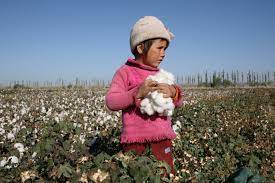
In its political face-off with China, the US came down heavily on cotton and cotton yarn, farmed and spun in the North Western Chinese province of Xianjiang highlighting the use of forced Uyghurs bonded labour. Of course, China denies this allegation but the ball was set rolling for the human rights factor to take centre stage in the fashion sector, long accused of major violations including child labour. The US has banned a number of garment imports from Vietnam, a major textiles exporter. Companies there were found to be sourcing materials, including cotton, from China that the US government believes violates trade and labor standards.
Yet, North America, primarily the US, continued to have the world’s largest share of fast fashion market as late as April 2023. The European Parliament has been working hard on many policies but when it came to consumers, the EU as a collective, excluding the UK, is fast fashion’s second largest market. So, is the consumer really committed to help their governments fight against fast fashion?
Damning rights violations in textile and RMG production zones
Juan Ponce Enrile, a Filipino politician and lawyer known for his role in global justice, human trafficking and exploitative labor highlights the plight of migrants and child laborers, who constitute a significant portion of the global labor force. The International Labor Organization (ILO) estimates there are over 170 million migrant workers worldwide, nearly half of whom are women. Meanwhile, conservative estimates from the ILO show South Asia, a major hub for the world’s garment exports, is home to approximately 16.7 million children aged 5-17 years engaged in child labor, with 10.3 million falling within the age 5-14. Children between 5 to 11 years represent around one-fifth of all child laborers in South Asia. And there are well-documented incidents of sexual abuse of women and children by adult male co-workers and factory owners in South and South East Asia.
Many analytics and experts agree, the global consumer is being exposed to such gross human conditions through all forms of media but the question remains whether this awareness is translating into action? There are definitely swathes of consumers who demand justice and boycott faulting labels and in a strange contradiction, sales of fast fashion brands are higher in markets where there are more protests against it.