FW
Odisha accelerates textile ‘Farm-to-Fabric’ strategy with Rs 124 crore spinning investment
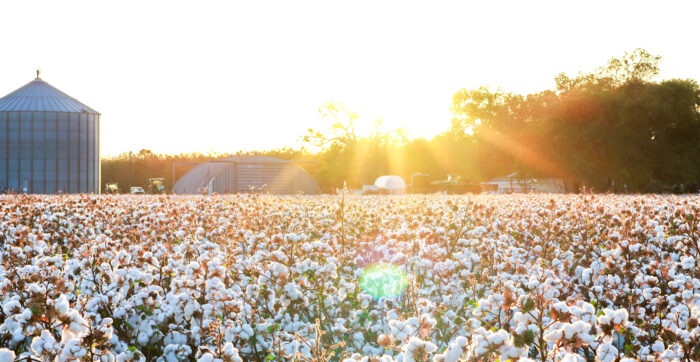
Led by Chief Minister Mohan Charan Majhi, the Odisha Cabinet has formally approved a Rs 124 crore investment for a modern spinning unit in Balangir district. Spearheaded by Shree Ambica Cotspin, this facility represents a critical shift in the state’s industrial policy to retain value within its borders. Despite a steady increase in regional cotton cultivation, Odisha has historically functioned as a raw material exporter, shipping high-grade cotton to spinning hubs in Tamil Nadu and Gujarat for processing. This new project aims to reverse that trend by establishing downstream processing infrastructure directly within the Kalahandi-Balangir-Koraput (KBK) region.
Integration of Industry 4.0 and regional supply chain resilience
Equipped with advanced spinning technology, the unit is designed to produce high-tenacity yarn for both domestic industrial markets and local handloom clusters. Beyond the immediate creation of 300 direct jobs, the facility acts as a catalyst for a proposed textile cluster in Western Odisha. Industry experts anticipate, localized yarn production will reduce logistics overheads for regional weavers by approximately 15–20 per cent. This project is the cornerstone of our 'farm-to-fabric' mission, notes Anu Garg, Chief Secretary. By aligning with India’s broader technical textile aspirations, the plant is expected to integrate IoT-enabled quality monitoring to meet international standards, facilitating direct export opportunities from the state's emerging manufacturing base.
Regional manufacturing specialization: Shree Ambica Cotspin
An Odisha-based enterprise with over 27 years of experience in the textile value chain, Shree Ambica Cotspin focuses on cotton ginning and yarn manufacturing, primarily serving the Eastern Indian market. Under its current expansion roadmap, the firm aims to leverage state incentives to modernize its spinning capacities and achieve vertical integration, significantly improving the financial returns for local cotton growers through direct procurement.
LSKD teams with Samsara Eco to integrate recycled nylon in collections
In a decisive move for the Australian performance apparel sector, Gold Coast-based activewear brand LSKD has formalized a ten-year strategic partnership with environmental technology firm Samsara Eco. Announced in April 2026, the deal centers on the integration of ‘infinite’ recycled nylon into LSKD’s core collections. Unlike traditional mechanical recycling, which degrades fiber quality over time, Samsara Eco’s proprietary enzymatic technology breaks down complex plastic waste into its original molecular building blocks. This process allows LSKD to produce high-compression leggings and high-intensity training gear that maintain the exact tensile strength and ‘second-skin’ handfeel of virgin nylon while significantly reducing carbon intensity.
Strategic market positioning and the 1 per cent sustainability mandate
The partnership arrives as the Australian activewear market is projected to reach a valuation of $13.2 billion by 2034, with nearly 41 per cent of consumers actively seeking eco-conscious fabric alternatives. For LSKD, which has seen explosive growth - transitioning from a $1.6 million business in 2019 to a global direct-to-consumer powerhouse - this long-term offtake agreement ensures supply chain resilience against the rising cost of sustainable raw materials. By locking in a decade of recycled feedstock, LSKD is positioning itself as a technical leader in the circular economy. Our mission is to be 1 per cent better every day, noted Jason Daniel, Founder, emphasizing, this collaboration moves the brand beyond seasonal ‘capsule’ drops toward a fully integrated, circular manufacturing model for its 200,000 global customers.
Founded in 2007, LSKD is an Australian-owned functional sportswear brand specializing in training, running, and adventure apparel. With a primary focus on the US and Australian markets, the company has achieved rapid scale through a wholly direct-to-consumer model. LSKD is currently expanding its global retail footprint while targeting 100 per cent sustainable fiber integration by 2030.
Levi Strauss sued over supply chain transparency and ethical marketing
In a high-stakes development for global apparel retail, the Dutch office of the Clean Clothes Campaign (CCC) filed a formal lawsuit against Levi Strauss & Co on April 21, 2026. The legal action, supported by research from the Centre for Research on Multinational Corporations (SOMO), alleges, the denim giant employed misleading marketing to convince Dutch consumers of superior labor conditions within its supply chain. This case marks a critical shift from activist pressure to judicial enforcement, as four individual consumers have joined the suit, claiming they purchased products under the false impression of ethical production.
The Turkish catalyst and the ‘Social Washing’ challenge
Central to the litigation is a 2024 industrial dispute at a Turkish supplier producing exclusively for Levi’s. According to reports from the Worker Rights Consortium, over 400 workers were allegedly met with violence and terminated after protesting for better conditions and trade union rights. The lawsuit argues, Levi’s continued to market its adherence to international labor standards while failing to remedy these specific, documented violations. Although Levi’s reportedly removed several sustainability statements from its digital platforms in March 2026 following a demand letter, the CCC contends. prior ‘social washing’ significantly influenced consumer behavior. This litigation serves as a cautionary benchmark for the textile industry, signaling that corporate ESG narratives must now be supported by verifiable, on-ground labor compliance to avoid legal liability.
Global denim and supply chain governance
Founded in 1853, Levi Strauss & Co is a global leader in denim apparel, operating across 110 countries. While the company recently signed the International Accord for Health and Safety for its Pakistan operations in late 2024, it continues to face scrutiny over its broader labor monitoring. Its current strategy focuses on direct-to-consumer scaling while managing the legal and reputational risks associated with evolving European consumer protection laws regarding supply chain transparency.
Circulose, CTA to bridge gap between recycled content and industrial-scale lyocell production
In a landmark development for the man-made cellulosic fiber (MMCF) sector, Swedish textile recycler formerly known as Renewcell - Circulose has entered a strategic commercial agreement with China Textile Academy Green Fibre (CTA). This partnership, announced in April 2026, aims to bridge the long-standing gap between experimental recycled content and industrial-scale lyocell production. While recycled feedstock has historically integrated more easily into viscose processes, lyocell’s sensitive solvent-based spinning environment requires higher pulp purity and consistent performance. By successfully validating ‘Circulose’ pulp on CTA’s commercial lines, the collaboration confirms, textile-to-textile circularity is now technically viable for high-performance, non-fibrillating lyocell grades.
Strategic offtake and the 2027 capacity roadmap
The agreement moves beyond technical testing to provide the market with much-needed supply-chain predictability. CTA has committed to multi-year offtake volumes of Circulose pulp, a move that stabilizes the primary recycler's revenue stream as it restarts its Ortviken plant in late 2026. While commercial availability remains restricted to select early-adopter brands through the remainder of this year, the partners have outlined a robust scaling phase for 2027. This phased rollout is designed to mitigate the ‘feedstock gap’ that has previously hindered the circular economy. CTA’s ability to produce lyocell from Circulose is a testament to the performance of our pulp, states Jonatan Janmark, CEO, Circulose. The move offers a data-backed pathway for global retailers to meet 2030 recycled content mandates without compromising the strength or tactile quality of premium apparel.
Next-generation fiber collaboration
Owned by private equity firm Altor, Circulose operates the world’s first commercial-scale chemical textile recycling plant in Sweden, converting cotton waste into high-grade dissolving pulp. China Textile Academy (CTA) Green Fiber is a leading industrial research platform specializing in advanced lyocell technology. Together, they target the premium performance apparel and sustainable fashion markets, with plans to expand global recycled lyocell capacity by 2027.
Fiber diplomacy: APR scales regional integration via India and Indonesia hubs
Asia Pacific Rayon (APR) has intensified its cross-border retail strategy, utilizing high-profile industry exhibitions to formalize partnerships within the Manmade Cellulosic Fiber (MMCF) sector. By centering operations on the Indonesia-India corridor, APR is positioning itself at the heart of a market projected to reach $50.28 billion globally by 2026. This geographical focus leverages India’s status as a premier manufacturing hub - where the rayon segment alone is valued at $1.8 billion this year - to absorb high-tenacity viscose and lyocell production.
Strategic innovation in material science
A key development in APR’s recent showcases is the introduction of ‘Nature Performance’ bio-based fibers, designed to meet the rigorous demands of the performance apparel segment. In 2026, apparel accounts for approximately 32.7 per cent of the total rayon market, driven by a consumer shift toward breathable, moisture-wicking textiles. To maintain competitive parity against synthetic alternatives, APR is deploying closed-loop manufacturing protocols that recover up to 95 per cent of chemicals. Tushar Ved, Regional Retail Analyst, notes, ‘technical integration across the supply chain is no longer optional but a prerequisite for securing long-term brand contracts in a sustainability-conscious landscape.’
Scaling sustainable capacity and market share
The primary challenge remains the volatility of raw material costs, which impacts nearly 28 per cent of global manufacturers. However, APR’s integrated ‘plantation-to-fashion’ model provides a significant buffer, ensuring price stability for regional partners. With a production capacity exceeding 300,000 tons annually, the group is transitioning toward a 100 per cent bio-based portfolio to align with EU and Asian environmental mandates. This systemic expansion into Tier II Indian cities and Indonesian batik sectors ensures that APR remains the dominant supplier for the next generation of circular fashion.
As Asia’s leading integrated viscose rayon producer, APR operates a state-of-the-art facility in Pangkalan Kerinci, Indonesia. The company specializes in high-quality, biodegradable fibers for the global apparel and home textile markets. Under its APR2030 vision, the group is expanding production capacity while targeting net-zero emissions, leveraging its 2019 founding heritage to lead the regional shift toward sustainable, forest-based materials.
Indian textile industry confronts tariff barriers and commodity volatility
As India enters the FY26-27, the textile and apparel sector faces a critical juncture characterized by an inverted duty structure. Industry leaders, including the Southern India Mills Association (SIMA) and the Confederation of Indian Textile Industry (CITI), have intensified pressure on the government to permanently abolish the 11 per cent import duty on raw cotton. Comprising a 5 per cent Basic Customs Duty and a 5 per cent Agriculture Infrastructure and Development Cess, this levy has rendered domestic cotton prices 10 per cent to 12 per cent higher than international benchmarks. Consequently, Indian manufacturers are struggling to fulfill high-value export orders for the US and EU, as regional competitors like Vietnam and Bangladesh leverage zero-duty regimes to secure market share.
Strategic shift towards value-added segments
Despite these operational headwinds, the industry demonstrates remarkable resilience. Official data for FY 2025-26 reveals a 2.1 per cent growth in total textile exports, reaching Rs 3.16 lakh crore. The Ready-Made Garment (RMG) segment remains the primary engine of this growth, contributing Rs 1.39 lakh crore, a 2.9 per cent Y-o-Y increase. However, the stagnation in cotton yarn and fabric exports - which grew by a mere 0.4 per cent - highlights the urgent need for raw material neutrality. To mitigate the volatility of cotton, many large-scale spinning units are diversifying into man-made fibers (MMF), which saw a more robust growth of 3.6 per cent, signaling a structural shift toward technical textiles and synthetic blends.
Bridging the quality gap for global logistics
The demand for duty-free access is primarily driven by a deficit in Extra-Long Staple (ELS) cotton, essential for premium garment production. Analysts suggest, removing the 11 per cent duty is vital for achieving the Ministry of Textiles' $100 billion export target by 2030. While the recent reduction in U.S. tariffs to 18 per cent offers a competitive edge over neighbors, high domestic input costs threaten to erode these gains. A permanent waiver would stabilize internal yarn pricing and allow Indian mills to function as global manufacturing hubs, integrating more effectively with newly signed Free Trade Agreements with the UK and the EU.
The Indian textile industry is a dominant global player in cotton spinning and ready-made garments, serving major retailers across North America and Europe. Currently, the sector is transitioning toward high-growth technical textiles and sustainable MMF blends. With a 2.1 per cent export growth in FY26, the industry aims for $100 billion in annual exports by 2030 through infrastructure modernization and trade liberalization.
The 2027 Mandate: Why denim’s future hinges on verifiable data

For decades, the global denim industry has relied on a narrative of durability, heritage, and authenticity. That narrative is now being stress-tested by a new operational reality: data integrity. As per Nicolas Prophte, Founder of the Denim Deal Foundation and former supply chain executive across global apparel brands, the sector’s core vulnerability is no longer production efficiency or sourcing, it is the credibility of its data.
The issue is not the absence of information, but its fragmentation and unverifiability. Much of the industry continues to operate on approximations, supplier-declared metrics, and non-standardized disclosures. This model is increasingly incompatible with an emerging regulatory environment that demands precision, auditability, and machine readability. What is unfolding is not a gradual evolution, but a reset, one that will redefine how denim products are designed, documented, and distributed globally.
The digital product passport as an operating system
At the center of this change is the Digital Product Passport (DPP), a foundational requirement under the European Union’s Ecodesign for Sustainable Products Regulation (ESPR). Contrary to early perceptions, the DPP is not a consumer-facing storytelling tool. It is, in effect, a technical infrastructure layer, a digital ledger that assigns each product a verifiable data identity.
This product identity captures what can be described as the material and environmental DNA of a garment. It transforms every pair of jeans into a data asset, embedding traceability, impact metrics, and circularity instructions into a standardized, machine-readable format. The implications are that compliance will no longer be achieved through broad sustainability claims or brand-level disclosures. Instead, validation will occur at the unit level, where each product must independently demonstrate its credentials through auditable data.
What compliance actually requires
The shift toward DPP compliance forces brands to re-architect their data collection frameworks across the value chain. The table below outlines the core data architecture required for denim products to meet 2027 standards.
|
Data Category |
Requirements |
|
Material DNA |
Precise fiber composition and audited post-consumer recycled (PCR) content. |
|
Geographic Traceability |
Country-of-origin info for every tier—from the cotton field to the laundry. |
|
Impact Metrics |
Rigorous water and carbon footprint data per unit, not industry averages. |
|
Circular Blueprint |
Validated end-of-life instructions to facilitate recycling and repair. |
This framework shows a decisive departure from current practices. Material composition must move beyond generic blends to exact percentages verified by third-party audits. Geographic traceability extends deep into Tier III and IV suppliers, requiring visibility into raw material origins, a level of transparency that remains largely absent today. Equally significant is the requirement for product-level impact metrics. Industry averages, long used as proxies for environmental claims, are no longer sufficient. Brands must quantify the exact footprint of each SKU, effectively linking environmental performance directly to product design and sourcing decisions.
Finally, the inclusion of a circular blueprint formalizes end-of-life responsibility. Products must be designed not just for sale, but for recovery, reuse, or recycling—embedding circularity into the data architecture itself.
From partial insight to full traceability
While awareness of DPP requirements is high across the fashion industry, execution readiness remains critically low. Current supply chain visibility is heavily skewed toward finished goods and immediate suppliers, with diminishing clarity further upstream. At the assembly level (Tier I), most brands have achieved near-complete visibility. However, this drops sharply at the fabric mill stage (Tier II), where less than half of supply chains maintain verified oversight. The most significant gap exists at the raw material level (Tier IV), where traceability is often below 15 per cent.
This disparity highlights a structural weakness: the industry’s data infrastructure was never designed for deep-tier transparency. Bridging this gap requires not incremental upgrades, but a systemic overhaul involving supplier digitization, standardized reporting protocols, and third-party verification mechanisms. The consequence of inaction is not merely operational inefficiency, it is regulatory exposure.
Compliance economics
The financial implications of DPP adoption are often framed in terms of compliance cost. However, a closer analysis shows, the cost of inaction can outweigh the investment required for compliance. Regulatory scrutiny around environmental claims has intensified sharply in recent years, with penalties for misleading or unsubstantiated sustainability messaging rising across major markets. The increase in enforcement signals a shift from voluntary disclosure to legal accountability. In this context, the DPP functions as a risk mitigation tool. It provides a defensible, auditable record that protects brands against allegations of greenwashing. More importantly, it establishes a foundation for new value creation. Verified transparency can unlock tangible commercial benefits, including improved consumer trust, preferential treatment under Extended Producer Responsibility frameworks, and higher access to sustainability-linked financing. In effect, data integrity is transitioning from a compliance requirement to a competitive differentiator.
From green claims to quantified proof
The risks of inadequate data infrastructure are already materializing. A recent case involving a European fast-fashion retailer—penalized for relying on volume-balanced sustainability certificates rather than physical traceability—illustrates the limitations of legacy verification models.
The incident highlights a shift: intent is no longer sufficient. Without granular, product-level data, even well-meaning sustainability initiatives can fail regulatory scrutiny. The transition to DPP frameworks effectively eliminates ambiguity, replacing narrative-driven claims with quantifiable, verifiable proof. This evolution marks the end of what can be described as soft sustainability, where broad commitments and aggregated metrics dominated communication strategies.
Reframing transparency as a growth strategy
As the 2027 deadline approaches, the denim industry is bifurcating into two camps. One views DPP compliance as a regulatory obligation, a minimum threshold to be met with efficiency. The other recognizes it as an opportunity to redefine brand positioning through radical transparency.
The distinction is consequential. Brands that invest early in strong data systems can use transparency as a trust-building mechanism, transforming compliance into a consumer-facing advantage. In a market increasingly shaped by informed purchasing decisions, verified data becomes a powerful differentiator. Moreover, transparency enables operational optimization. Access to granular supply chain data allows brands to identify inefficiencies, reduce resource consumption, and improve product design, delivering both environmental and financial returns.
Building the infrastructure ahead of regulation
While the regulatory deadline is set for 2027, early adopters are already operationalizing DPP-aligned systems. Industry collaborations, such as those between denim-focused organizations and lifecycle assessment platforms, are creating standardized methodologies for impact measurement. These initiatives aim to convert subjective sustainability narratives into objective datasets. By integrating audited lifecycle assessments into product development processes, brands can ensure that every environmental claim is backed by verifiable evidence. This proactive approach not only de-risks future compliance but also positions participating companies at the forefront of a data-driven transformation.
The end of supply chain opacity
Historically, opacity within the supply chain was considered a competitive safeguard. Brands often withheld supplier information to protect sourcing advantages. That paradigm is rapidly dissolving. In an interconnected global manufacturing ecosystem, supplier overlap is common. Competitive differentiation is shifting away from who produces the product to how the product is conceptualized, documented, and communicated.
Transparency, once perceived as a risk, is becoming a prerequisite. The supply chain’s role is evolving from a hidden operational backbone to a visible, data-driven enabler of brand value.
The denim industry’s transition toward data integrity is more than regulatory compliance, it signals a redefinition of authenticity itself. In a sector built on the symbolism of rugged, honest materials, authenticity is being reworked through the lens of verifiable information. As 2027 approaches, the message for brands is unambiguous. The ability to produce high-quality denim will no longer be sufficient. Success will depend on the ability to prove it quantitatively, transparently, and at scale. The era of approximation is ending. In its place, a new standard is emerging one where data is not just supportive, but foundational to the product itself.
Europe’s textile core unravels as costs, imports and policy pressure bite
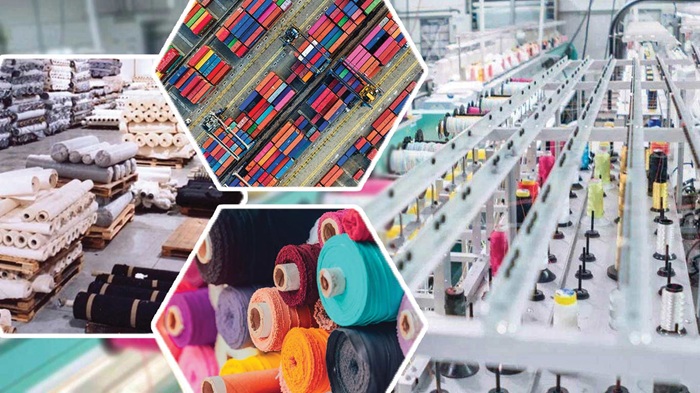
Europe’s textile and apparel sector, long seen as a benchmark for craftsmanship and industrial depth, is slipping into a prolonged slowdown. The latest EURATEX data signals a third consecutive year of decline, with industry leaders warning of a steady erosion in global competitiveness. The numbers still project scale and relevance. The sector generates over €166 billion in turnover and supports roughly 1.2 million jobs across 200,000 companies. Yet beneath that scale, the fundamentals are weakening, with production, turnover and employment all trending downward in tandem.
Table: The numbers unveil the truth
|
Indicators (2025 forecast) |
Textile sector change |
Clothing sector change |
|
Production |
-1.80% |
-4.50% |
|
Turnover |
-2.00% |
-1.80% |
|
Employment |
-4.80% |
-1.80% |
Note: Data derived from EURATEX Economic Update 2026/Key Indicators Chart
The data reflects a broad-based narrowing but the difference between textiles and clothing is telling. Apparel manufacturing is taking a sharper production hit, with a projected 4.5 per cent decline in 2025 following an even steeper fall the previous year. This signals not just cyclical weakness but a relocation of fashion manufacturing away from Europe. Textiles, meanwhile, show deeper stress on employment, suggesting that upstream manufacturing, often more energy-intensive is bearing the brunt of cost pressures. The simultaneous decline in turnover confirms that demand recovery has not kept pace with rising input costs, reducing margins across the value chain.
Apparel takes the hardest blow
The clothing segment has emerged as the weakest link in the ecosystem. After a near 7 per cent drop in production in 2024, the continued slide into 2025 underscores a sustained loss of manufacturing relevance. This is less about demand disappearing and more about demand being fulfilled elsewhere. European brands continue to sell, but production is increasingly offshored, particularly to Asia, where cost structures remain lower. A perfect storm builds
At the heart of the downturn lies the simultaneous pressures that are proving difficult to offset. The rise of large-scale digital marketplaces has intensified price competition, with low-cost imports entering Europe at volumes domestic manufacturers struggle to match. These platforms operate with cost advantages that European producers, bound by stricter labour and environmental standards cannot replicate without sacrificing margins.
Energy costs have emerged as another decisive factor. Textile production, especially in upstream processes like spinning and weaving, is energy-intensive. Persistently high power costs across Europe have widened the gap with competing manufacturing hubs, making locally produced fabrics less competitive even before they reach garment factories.
Overlaying this is increasing regulatory framework. While Europe’s push toward sustainability and circularity is globally influential, the compliance burden is disproportionately heavy on small and mid-sized firms. For many SMEs, agility is being replaced by administrative strain, limiting their ability to respond to market shifts. Demand-side weakness compounds the problem. A cooling global economy has reduced consumption, leaving brands with excess inventory and lower appetite for higher-cost European sourcing.
Ripples across manufacturing ecosystem
What’s more the implications extend well beyond apparel retail. Europe’s textile base underpins multiple industrial ecosystems, from healthcare to mobility.
Technical textiles are critical in sectors such as protective equipment, automotive manufacturing and construction. The decline in domestic capacity raises questions about autonomy, particularly at a time when supply chain resilience has become a policy priority.
Equally significant is the impact on Europe’s circular economy ambitions. Localised production is essential for scaling recycling, reuse and closed-loop manufacturing. As production moves offshore, the feasibility of these sustainability goals becomes more complex and potentially more carbon-intensive.
The policy clock is ticking
Industry leaders are now calling for higher policy intervention, with a clear timeline in mind. EURATEX has urged the European Commission and member states to implement tangible support measures before the end of 2026. Proposals such as an Industrial Accelerator Act and deeper energy market reforms are in discussion, but the industry’s message is that timelines may not align with business realities. Many firms, particularly smaller manufacturers, are already operating at the edge of viability.
The warning from Brussels is stark. Without rapid action to rebalance cost structures and ensure a level competitive playing field, production will continue to migrate, dependencies will deepen and Europe’s textile identity could fade. In that scenario, ‘Made in Europe’ risks becoming less a marker of industrial strength and more a legacy label of a once-dominant manufacturing base.
Automation, innovation, regulation are the forces shaping textiles in 2026
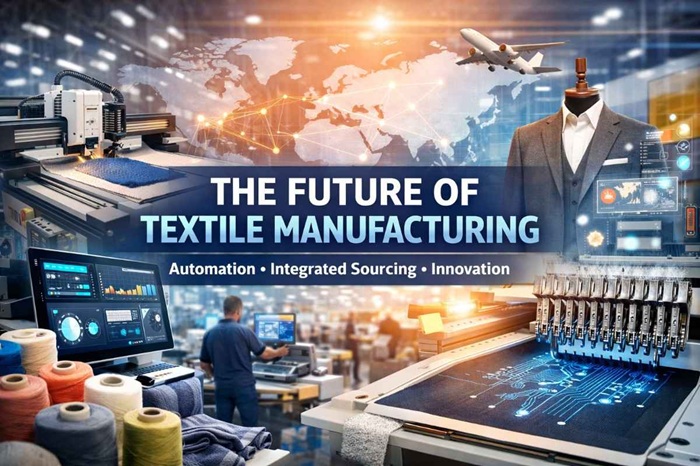
The global textile sector has entered a new era. Early 2026 saw the industry breach a $1.06 trillion valuation, reflecting a transformation that goes far beyond production volumes or labor cost arbitrage. Today, technical sophistication, regulatory navigation, and material intelligence define competitive advantage. While the Big Four: China, India, Vietnam, and Bangladesh remain production anchors, the internal dynamics of these economies are undergoing a shift, highlighting that the next decade will belong to markets that innovate at both fiber and process levels.
Southeast Asia emerges as the new trade gravity
China continues to dominate exports, generating an estimated $170 billion annually. Yet its supremacy faces mounting pressure from high-growth corridors in Vietnam and Bangladesh. Vietnam, in particular, is targeting $50 billion in export revenues for 2026, driven by a 17 per cent increase in US-bound apparel shipments and the launch of 65 new greenfield textile projects.
Bangladesh, long celebrated for cost advantages, is grappling with wage inflation and narrowing margins. With average Vietnamese garment wages now around $300 per month, manufacturers are compelled to invest in AI-driven design and automated spinning to stay competitive against lower-cost neighbors such as Cambodia. In this environment, price alone is no longer sufficient, operational sophistication and digital agility have become decisive factors.
Synthetic fibers confront regulatory boundaries
The dominance of synthetic fibers is being tested by emerging environmental regulations. Synthetics still hold nearly 69 per cent of the market due to unmatched durability and versatility, particularly in technical textiles. However, initiatives like the EU’s Digital Product Passport and California’s Responsible Textile Recovery Act are imposing new compliance costs. Brands are increasingly allocating 2 to 4 per cent of landed costs to meet these requirements. The recycled-content polyester segment is expected to grow at a 6.5 per cent CAGR through 2031, as manufacturers hedge against regulatory risks and the threat of microplastic penalties.
Fiber innovation becomes the competitive edge
Material science is now the frontline of commercial strategy. Traditional spinning and weaving are giving way to bio-based and carbon-negative textiles. Japan, Italy, and Germany are leading the innovation curve, particularly with PEF polyesters and hemp-based fabrics. Hemp is projected to capture nearly 30 per cent of the carbon-negative textile market this year alone. For buyers in Europe and North America, these fibers are not just environmentally attractive they also offer higher margins per kg, offsetting rising logistics and freight costs amid persistent global supply disruptions.
Automation defines the Vietnamese success story
Vietnamese firms are showcasing that technological scale can outpace labor arbitrage. Viet Tien Garment Corporation, celebrating its 50th anniversary with consolidated revenues of VND 18.5 trillion, has moved beyond low-margin OEM operations into technical apparel for premium markets. Automated sewing lines, digital traceability, and high-value product lines have positioned the company as a preferred supplier to Japan and South Korea, exemplifying how 2026 rewards the technologically adept rather than the labor-intensive.
Asia-Pacific remains the epicenter, but strategy matters
Major textile players increasingly operate as integrated manufacturing and retail entities, blending apparel, technical textiles, and home furnishings under a single strategic umbrella. The Asia-Pacific region still commands 54 per cent of global market share, with growth initiatives focused on sustainable materials R&D and digital supply chain integration. Post-2020 volatility is giving way to renewed confidence, with the industry targeting a steady 7 per cent CAGR over the coming years. From handlooms to steam engines and now Industry 4.0, the textile sector has always evolved with the tools of its era today, data is as vital as the thread itself.
Digital diversification anchors Clarks’ return to profitability
The British footwear stalwart, Clarks, has successfully navigated a two-year recovery cycle to post a return to profitability for the fiscal year ending 2025. Despite a 3 per cent dip in overall sales, the brand’s aggressive focus on structural overhead reduction and margin recovery has provided a resilient foundation for the 2026 trading year. This financial turnaround coincides with the appointment of Victor Herrero as interim CEO, whose leadership has prioritized streamlining core processes against a volatile backdrop of rising wage inflation and high global tariff levels.
Ecosystem expansion and revenue agility
To sustain this momentum, Clarks has launched a curated digital marketplace powered by Marketplacer technology, a strategic move to broaden its lifestyle offering without the capital risk of traditional inventory. By onboarding third-party brands such as Cambridge Satchel and Mountain Warehouse, the retailer is capturing a larger share of the £8.6 billion UK footwear market. This platform-based model allows the brand to scale rapidly in an environment where consumers are increasingly selective and value-driven, offering a unified shopping experience that blends heritage reliability with contemporary variety.
Navigating global trade headwinds
While the domestic recovery is firm, the Americas remain a complex territory. Although wholesale volumes show gradual improvement, margins continue to face pressure from shifting US trade policies and aggressive off-price competition. Management remains optimistic, however, noting that the business entered its 200th anniversary year in 2026 with zero bank borrowing and a robust cash-positive balance sheet. This liquidity is being funneled into supply chain agility to mitigate the "landed cost" volatility that currently defines the international retail sector.
Heritage brand resilience
Clarks is a global leader in everyday footwear, renowned for its iconographic Desert Boot and Wallabee silhouettes. Operating across the UK, US, and EMEA, the company is currently modernizing its 200-year legacy through omnichannel innovation and high-margin digital marketplaces. With a debt-free balance sheet, its 2026 outlook focuses on premiumized product tiers and sustainable growth.