FW
India gains in importance for Karl Mayer
India has been gaining in importance for Karl Mayer, especially for warp knitting machines used in the clothing sector. The currently installed capacities can be diversified and expanded by investing in various warp knitting machines.
Karl Mayer’s warp preparation business unit has been successfully in India for many years. The company feels India plays a major role for the Karl Mayer group simply because of its large population. In addition, the boundary conditions are right. In this country with its long textile tradition, there are large cotton and polyester suppliers, and there is no shortage of labour.
India is an important sales region for the Stoll flat knitting machine business of the Karl Mayer group. Karl Mayer Stoll India operates from locations in Mumbai, Noida, Ludhiana, Tirupur and Surat, and offers customers services, fast delivery of spare parts, training through anacademy and machine presentations in showrooms in some of these locations.
In Ahmedabad, Karl Mayer also maintains its own production site. This is where warp sectional warping machine is built for the Indian market. Customers benefit from the high quality of all products made by Karl Mayer and also from the advantages of investing in national currency and from reliability in the supply of spare parts and support.
Hugo Boss uses special yarn
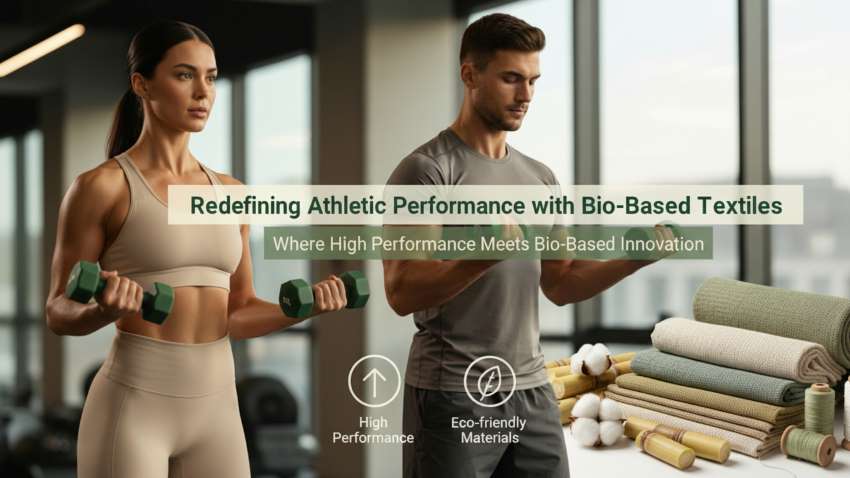
Hugo Boss’ polo shirt is made from HeiQAeoniQ fiber. The product is crafted with 87 per cent HeiQAeoniQ, a revolutionary cellulosic yarn created from certified wood pulp, one of the many renewable raw materials it can be made of, featuring the same performance attributes as polyester.
This first drop by Hugo Boss makes the dream of replacing polyester for a more sustainable alternative tangible while keeping all the features that made synthetic fibers so widespread.Fabrics made from this high-performance yarn are on par with conventional fabrics like polyester and nylon due to the yarn’s tensile strength, elasticity, and abrasion resistance.
At the same time, they also demonstrate a significantly better environmental footprint. Whereas polyester and nylon fibers are produced from non-renewable fossil fuels, making the textile industry the second-largest global polluter, HeiQAeoniQ yarn is made from cellulose, a renewable raw material that enables the transformation of a whole sector.
HeiQAeoniQ is a more sustainable, circular, and closed-loop cellulosic textile yarn. Widespread implementation of HeiQAeoniQ can help decarbonize the atmosphere, prevent further microplastic pollution in water and preserve agricultural l and.
For Hugo Boss, the partnership with HeiQ represents yet another important milestone on its journey towards becoming the leading premium tech-driven fashion platform worldwide.
UK to host Moda in February
Moda will take place in the UK, February 5 to 8, 2023.This is the UK’s longest standing fashion trade show.
The Moda Catwalk will feature the latest women’swear, footwear and accessories brought to life. Key trends include Sundial, The Vibe, Electric, and Different Angles. Buyers will also be presented with curated sponsored scenes from Saloos, Jayley Collection, Lighthouse Clothing, and the footwear headline sponsor is Lunar, a global footwear brand offering a vast and unique range of colourful and elegant designs. With high-energy trend-led catwalk shows and hours of inspirational and informative talks offering invaluable business advice, visitors flock to the
Moda Catwalk stage season after season to learn and be inspired. The founder and director of The Stylist will speak on style meets retail with tips for buyers and independent retailers on how to buy successfully with the eye of a stylist. The last couple of years have seen an explosion of interest in behavioural science. And yet, despite the growth of recognized behavioural biases and tactical nudges, many are still unaware of the benefits on offer as part of any marketing mix. All this and more will be presented at a workshop.
An e-commerce consultant will explore common issues that cost fashion e-commerce businesses serious money but are often overlooked.
Shapewear hides flaws, grows at 8% CAGR
The global shapewear market is growing at eight per cent a year. This covers bodysuits, corsets, control tights, control panties, control slips, girdles and slimming camisoles.
Shapewear is a type of underwear which helps in looking slim and improving the body figure by compressing the fats and skin folds. As people nowadays are very conscious about their appearance and their social status, achieving the ideal body shape and complying with beauty standards in society has become critical. For this purpose, people are increasingly using shapewear products. This will continue to boost the market.
Shapewear helps people in achieving the ideal body shape without going to the gym and dieting, gaining demand among women as well as men. They also help people to deal with body deformities. Shapewears are increasingly popular undergarments in the fashion business. These shaping underwear are designed for certain areas such as the stomach, waist, hips, and thighs. People can utilize the appropriate shapewear depending on their needs.
Because shapewear instantaneously provides optimum figure and body configurations, the working population, particularly women looking for work-leisure attire, is acquiring and wearing it.Because they are flexible and tensile, synthetic materials such as neoprene, spandex, and lycra are often utilized for shapewear.
Indian apparel export share shrinks
The share of apparel and textiles among the total merchandise exports of India declined to eight per cent in December 2022 from nine per cent the previous year.
Total exports of apparel and textiles contracted almost 11 per cent for April 2022 to December 2022. These exports shrank 21 per cent in December 2022 and shipments of handlooms, cotton yarns and fabrics declined by 40 per cent year on year in December 2022.
High cotton prices are probably one of the major reasons for the decline in exports. One industry opinion is that if the import duty on cotton were to be removed this will enable India to stay competitive in the global trade of apparel and textiles. However, exports of readymade garments showed a marginal growth of one per cent in December 2022 compared to the earlier year. Readymade garment exports in December 2022 were higher by ten per cent year on year compared to exports in December 2021.
Garment exports from India to Australia are likely to see a jump of 30 per cent as a result of the free trade agreement. Various Indian products, including textiles and apparel, will have preferential market access to the Australian market with zero customs duty.
App helps brands reduce returns
MySize tackles returns. This is a sizing technology that uses algorithms and AI to match shoppers with an optimized fit based on a brand’s product-specific sizing chart.
MySize is a measurement app that provides sizing recommendations. The measurement solution bolsters buying confidence in customers by quickly generating their ideal size, which further increases brand loyalty and conversion rates for the retailer while reducing returns.
Based on customer engagement, the technology allows retailers to optimize their customer sizing data and maintain appropriate inventory levels on relevant items. The solution’s more accurate, size recommendations reduces product returns.
Returns are identified as an albatross around retail’s neck. For as many as 91 per cent of merchants, returns are accelerating faster than revenue. An estimated 70 per cent of e-commerce returns are size related, leading to unnecessary environmental and carbon impacts.
This technology has a proven track record with jeans brands. It helps them achieve their environmental goals while delivering the added benefits of more satisfied customers and improved operating economics. The widget has helped Levi’s reduce returns by as much as 47 per cent, saving the company on steep reverse logistics costs. For Boyish Jeans customer returns dropped approximately 31 per cent after the brand implemented the MySize widget on its website.
Turkey to host Istanbul Fashion Connection
Istanbul Fashion Connection will be held in Turkey, February 8 to 11, 2023.
Over 600 exhibitors will give an overview of the new collections in the areas of women’swear, men’swear, children’s wear, denim, sportswear, night dresses, wedding dresses, lingerie, socks, leather and furs. Brands use the trade fair as a platform to expand their international customer network.
The event is an essential platform to meet new buyers and business partners. More than 25,000 visitors from over 100 nations from all sales channels, from department stores and boutiques to online platforms from Europe, the Central Asian markets and the Arabian Gulf region, in addition to buyers from Turkey, are expected.
The event will highlight the creativity of the Turkish fashion scene and provide access to new sales markets while at the same time connecting potential production partners to optimize the supply chain.
The supporting program will offer top-class seminars and lectures. The special focus is on the topic of sustainability. Turkish design is increasingly gaining international recognition. Turkey has a lively and creative design scene and high-quality fashion brands that are redefining the image of made in Turkey. The manufacturing sector is an important branch of the economy for the industry.
Burberry sales in China plummet
Burberry’s sales in China are down 23 per cent. Covid-related disruptions in mainland China largely offset a stronger performance in Europe.
Burberry’s like-for-like sales in Europe, Middle East, India and Africa grew 19 per cent. Europe in particular continued to perform well, driven by strong trading over the festive period, and leather goods delivered another quarter of double-digit growth globally.
The company, known for its black, red and camel check, is pleased with its performance overall and remains confident of achieving its medium-term targets despite the tougher macro-economic environment. v
British luxury brand Burberry has an extraordinary legacy, a unique British heritage and a very strong platform to build on. The strategy also aims at refocusing on Britishness and strengthening the connection with British design, craft and culture.
In January 2022, Burberry’s higher quality business saw its full-price sales rise 26 per cent in the quarter versus comparable 2019 levels, while its total same-store sales slid three per cent. Burberry has been pursuing a fusion between social media celebrities and the blockchain, including the launch of NFTs in the gaming world. Burberry’s ultra-savvy marketing drives are helping the company win new style-hungry customers across the world, desperate to get their hands on a slice of the brand and willing to pay full price for the privilege.
Officiana joins recycling program
Officina39, a chemical company with a 30-year experience in research and chemical application in textiles, was part of the third edition of CirculART.
CirculART is an initiative that sees companies, artists and fashion designers working together with Cittadellarte – Fondazione Pistoletto to show how new balanced forms of production, design and sharing can be explored through a careful choice of materials and of sustainable supply chains.
The key concepts underpinning this project are reducing the consumption of raw materials, reusing raw materials, and recycling. CirculART proposes a new link between fashion and art, engaging both in a conscious and innovative combination of sustainability, sensitivity, beauty and union.The project links territory and production factories, bringing together actors from the different sectors making up the textile supply chain that work on the basis of a circular economy with companies that have chosen to embrace the ideal of sustainability and develop an innovative and avant-garde business model.
CirculART benefits from the active participation of several companies of excellence operating in the field of sustainable fashion. Among these are Achille Pinto, manufacturer of textiles and textile accessories for international fashion brands, Albini, Europe’s largest manufacturer of cotton fabrics for shirts and Erica IndustriaTessile, a leading company in the creation of textile prints, original and customised designs.
India: Alok Q3 sales down 19 per cent
For the third quarter Alok Industries’ net sales fell by 19 per cent as against the same quarter last year.
Total expense decreased by nine per cent. Raw material consumed was down 22 per cent year on year.Finance cost was down two per cent year on year. Employee benefit expense was up five per cent year on year.
Alok Industries is primarily engaged in the business of textile manufacturing, including mending and packing activities. Alok has operations in both the cotton and the polyester value chain. It has four manufacturing locations. The range of products includes fabrics, garments, embroidered fabric saris and terry towels.
Alok was incorporated in 1986 and began activities with the manufacture of texturised yarn by setting up manufacturing facilities at Silvassa. The company has expanded the texturising capacity to 30 machines, knitting capacity to 40 machines and weaving capacity to 170 air jet/ rapier looms.
Alok has developed an innovative yarn using its expertise in polymer-based yarns. The manmade fiber can compete directly with the hand feel of a natural cotton fiber. The product has been designed to help manufacturers and retailers decrease risk and volatility driven by single source cotton. The collection is made from yarns that weave into a fabric the feeling of cotton.