


FW
Bangladesh to finalise FTA with China by 2026
Led by Apan Kanti Ghosh, Commerce Minister, Bangladesh aims to pursue a free trade agreement (FTA) with China by 2026. The date of the FTA finalisation coincides with Bangladesh's transition from a least developed country to a developing one that would lead to reduced duty benefits, necessitating proactive measures from the government.
Emphasising on the need to navigate the challenges post-graduation effectively, Ghosh stressed on the urgency to finalise FTA talks with China before 2026. In advent of failure to achieve this, Bangladesh plans to request interim duty-free market access from China.
The foundation for this agreement was established during Chinese President Xi Jinping's visit to Bangladesh in 2016, which saw the signing of a memorandum of understanding (MoU) to conduct a joint feasibility study. Subsequent meetings of the joint working group, including one in Beijing in 2018, have advanced the feasibility study reports.
Yao Wen, China's Ambassador to Bangladesh, Yao Wen, affirms, the FTA has the potential to boost Bangladesh's exports to China. He says, it would expand investment opportunities for China. Highlighting Bangladesh’s reliance on importing textiles and machinery from China for its apparel exports, Wen expressed a keen interest in investing in Bangladesh’s key sector.
Itematech to showcase comprehensive machine range at Techtextil Frankfurt
A leading global provider of advanced weaving solutions, Itematech will showcase its comprehensive product portfolio tailored to weave technical fabrics at Techtextil Frankfurt from April 23- 26, 2024.
Founded in 2019, Itematech offer weaving solutions that efficiently manage the complexities of technical textile fabrics.
The exhibition enables visitors to explore Itematech's diverse weaving machine portfolio including Single Positive Rapier, Negative and Positive Rapier, Airjet, and Projectile weaving machines.
Known for its abiltyb to weave a wide range of high-tenacity yarns, the UniRap, Itematech's Single Positive Rapier Weaving Machine can also weave carbon tape, fiberglass, aramid fibers, etc. Its open platform design allows for versatility, with two versions available: UniRap | P for effective insertion of carbon tapes and tape-shaped yarns, and UniRap | G for weaving various technical yarns.
Additionally, these versions offer the flexibility to switch between weft insertion systems seamlessly.
Hercules, the Negative and Positive Rapier Weaving Machine, boasts a reinforced structure and textile flexibility ideal for producing demanding technical textiles. Its unique weft transfer system allows for easy switching between positive and negative rapiers, enhancing textile efficiency across a broad range of yarn counts and configurations.
The P7300HP V8 Projectile Weaving Machine is renowned for its reliability and versatility in weaving high-specialty materials such as agrotextile and geotextile, thanks to its efficient weft insertion system driven by a projectile.
The R9500EVO Rapier Weaving Machine offers customised versions tailored for various technical applications. The machine is equipped with the innovative iSAVER®tech to help reduce waste, contribute to cost reduction and ensure sustainable weaving practices.
Lastly, customisable with dedicated devices, the A9500EVO Airjet Weaving Machine, excels in weaving very high-density fabrics. The recently launched A9500 iLENO for Secondary Carpet Backing has quickly gained popularity for its productivity and return on investment.
Techtextil 2024 allows ndustry professionals to explore Itematech's weaving solutions and engage with experts to address their specific weaving needs.
Fashion companies retreat from sustainability claims
Despite increased scrutiny on ‘greenhusing’ leading to many fashion companies are quietly retreating from their sustainability claims, Sephora plans to strengthen its ‘clean’ and ‘green’ labels for brands whose products meet specific environmental criteria or are free from certain ingredients.
To provide clarity and consistency on the issue, Sephora aims to expand its climate-conscious and clean labeling initiatives globally. Like Sephora, fast fashion giants Asos and Boohoo have also pledged to improve their sustainability claims, particularly in labeling schemes, after being scrutinised by the UK's Competition and Markets Authority.
Similarly, German e-tailer Zalando has agreed to remove ‘misleading’ sustainability icons following an investigation by EU officials.
Regulators are emphasising the importance of transparency and precision in labeling schemes to avoid misleading consumers. With regulations on sustainability marketing tightening, companies are facing an increased pressure to substantiate their claims.
The ongoing investigation into Unilever by the UK's Competition and Markets Authority underscores the growing scrutiny on greenwashing. Despite the complexity, advocates like Lindsay Dahl view clearer definitions and increased transparency more positively, indicating a growing shift towards more informed consumer engagement.
Planet Tracker’s new report highlights water-related risks amongst brands
Planet Tracker’s new report highlights the growing concerns regarding water-related risks among leading global fashion brands and retailers such as Adidas, Gap, H&M, Inditex, Levi Strauss, Nike, PVH Corp, Ralph Lauren, and VF Corp.
The report emphasises potential significant indirect impact of these risks on the viability of these brands. It delineates water risks into three primary categories including physical risks to operations and supply chains due to water scarcity, regulatory risks affecting water costs and access rights, and reputational risks stemming from negative publicity regarding water usage.
The analysis underscores acute water stress in key regions supplying apparel and warns of an aggravating scenario, particularly for North American brands facing an upsurge in water stress levels. The financial stakes of ignoring water risks are substantial; a mere 1 per cent increase in the cost of goods sold (COGS) from water disruptions could lead to a 3 per cent decline in operating profits for a brand operating at a 55 percent gross margin and 15 per cent EBIT margin.
Highlighting the water-intensive nature of apparel manufacturing, the report urges industry players to o openly discuss and disclose their water usage and exposure to related risks. According to it, factors like climate change, inefficient usage, and untreated disposal exacerbating water scarcity in essential manufacturing locales are increasing the risks of supply chain disruptions in the industry. .
The report expects, apparel supply chains, predominantly situated in regions already facing moderate to high water stress, to deteriorate, impacting sales and profit margins for brands and retailers. It encourages financial institutions to factor water-related risks into their investment decisions and promote transparency and mitigation strategies among companies, including the adoption of science-based targets for water.
It is essential for companies to develop plans to manage and reduce this risk over time, says Richard Wielechowski, Senior Investment Analyst (Textiles), Planet Tracker.
The global clothesline, western wear vs. ethnic attire

Western fashion has long held a dominant position on the global stage, but is the tide turning? But are Western brands overpowering ethnic garments in different parts of the world? The answer, like a well-tailored suit, is not a simple one.
Western wears global reach
Western wear's global reach can be attributed to several factors, according to a McKinsey & Company report. Its focus on comfort and casual styles resonates with a younger, globalized generation. Additionally, aggressive marketing campaigns and widespread availability through large retail chains fuel their growth. Affordability, mass production too has boosted the growth of Western brands, particularly in developing nations. Consumers are often drawn to the perceived "modernity" associated with Western styles
However, ethnic garments are experiencing a resurgence driven by a growing sense of cultural identity. A Euromonitor International report highlights the rise of "national pride" clothing, particularly in emerging economies. Consumers connect with heritage and tradition through locally-made garments. Moreover, ethnic wear often boasts intricate designs, high-quality materials, and traditional craftsmanship, attracting consumers seeking individuality and a connection to artisanal practices.
Despite the global strength of Western brands, regions like South Asia and Southeast Asia continue to witness a thriving ethnic garment market. The Indian ethnic wear market is expected to reach $72.7 billion by 2023, driven by factors like festive occasions, weddings, and a growing preference for sustainable, hand-crafted clothing.
The brand factor
Brands play a crucial role. Western brands are increasingly incorporating ethnic elements into their designs, blurring the lines. “We're seeing a fusion trend,” says leading fashion analyst, Marie Laveau. “Global brands are using ethnic prints and motifs to cater to a wider audience.” These brands leverage celebrity endorsements, influencer marketing, and social media trends to create a sense of aspiration and community around their products.
However, strong ethnic brands are also emerging. Anita Dongre, a renowned Indian designer, emphasizes, "Luxury and heritage can co-exist. We're showcasing Indian craftsmanship to a global audience." Ethnic brands that focus on quality, innovation, and cater to a modern aesthetic are carving a niche in the international market.” Ethnic wear focus more on storytelling, highlighting the cultural significance and heritage of their garments. Ethnic designers are keeping traditions alive while adapting them to contemporary tastes. “We need to reinterpret heritage for the modern world,” says Senegalese designer, Aisha Sy. “By using traditional techniques and fabrics in contemporary silhouettes, we can make ethnic wear relevant to a global audience."
The bottomline is, the future of fashion lies in a harmonious blend. Western brands can learn from the rich heritage of ethnic clothing, while ethnic designers can leverage modern trends to reach a wider audience. Ultimately, consumers benefit from a diverse range of options, ensuring the world's fashion tapestry remains vibrant and ever-evolving.
Global fashion experts see India as the next luxury powerhouse

A recent summit in India, the Business Standard Manthan 2024, has generated a buzz in the global fashion industry. Experts predict that India is on the cusp of becoming a major player in the luxury market, potentially even spawning the "next Chanel."
This optimistic outlook stems from several factors. Firstly, India boasts a rich heritage of craftsmanship and artistry, which has always been a cornerstone of luxury goods. India is currently one of the fastest-growing luxury markets globally, projected to reach a staggering $200 billion by 2030 according to Bain & Company. Alexis de Ducla, director of Mathieu Lustrerie, a renowned chandelier maker, highlights this point, adding that what was previously lacking was investment and vision. However, according to Ducla, these elements have been steadily developing in recent years.
Confidence and investment fueling indian luxury brands
The rise of Indian luxury is also attributed to a growing sense of self-assurance among Indian consumers. Ducla observes a shift in customer preferences, where brand origin matters less than quality and personal taste. This trend aligns with a surge in investment in Indian luxury brands by corporate houses. Major conglomerates like Reliance Retail and Aditya Birla Fashion and Retail have acquired stakes in renowned Indian designers, providing them with the financial backing needed for global expansion.
India's Aspiration and Skilled Workforce: A perfect recipe for luxury
Abheek Singhi, from Boston Consulting Group, emphasizes the current aspirational phase of the Indian economy, which is expected to continue for decades. This, coupled with India's abundant skilled labor force, creates a perfect environment for the growth of domestic luxury brands. Singhi highlights the potential of craftsmanship to become a key competitive advantage for India in the global luxury market.
Collaboration and Showcasing Indian Craftsmanship: The pathway to global success
Experts believe that for Indian luxury brands to achieve true global recognition, collaboration with established names is crucial. Ducla suggests that international brands should view their entry into the Indian market as an opportunity for collaboration, showcasing the talents of Indian artisans within their collections. This sentiment is echoed by the recent move by French luxury house Dior, which held its first-ever Indian show, featuring the works of Indian craftspeople.
Making Luxury Accessible: The way to long-term growth
While Indian luxury is undeniably on the rise, experts caution against neglecting accessibility. Nikhil Sethi, from KPMG India, emphasizes the need for luxury products to integrate seamlessly into the daily lives of Indian consumers. This might involve strategic pricing that doesn't necessarily mirror global benchmarks.
India's hospitality sector, already renowned for its luxurious offerings, serves as a model for the future of Indian luxury. Kapil Chopra, founder of Postcard Hotels, points out that Indian hospitality has consistently delivered exceptional experiences, demonstrating the country's longstanding potential in the luxury space.
With a rich heritage, growing consumer confidence, and strategic investments, India is poised to become a major force in the global luxury landscape. Collaboration, accessibility, and a focus on showcasing Indian craftsmanship are seen as key factors that will propel Indian luxury brands onto the world stage.
Fashion brands dive into secondhand clothing market, resale goes from "Why" to "How"
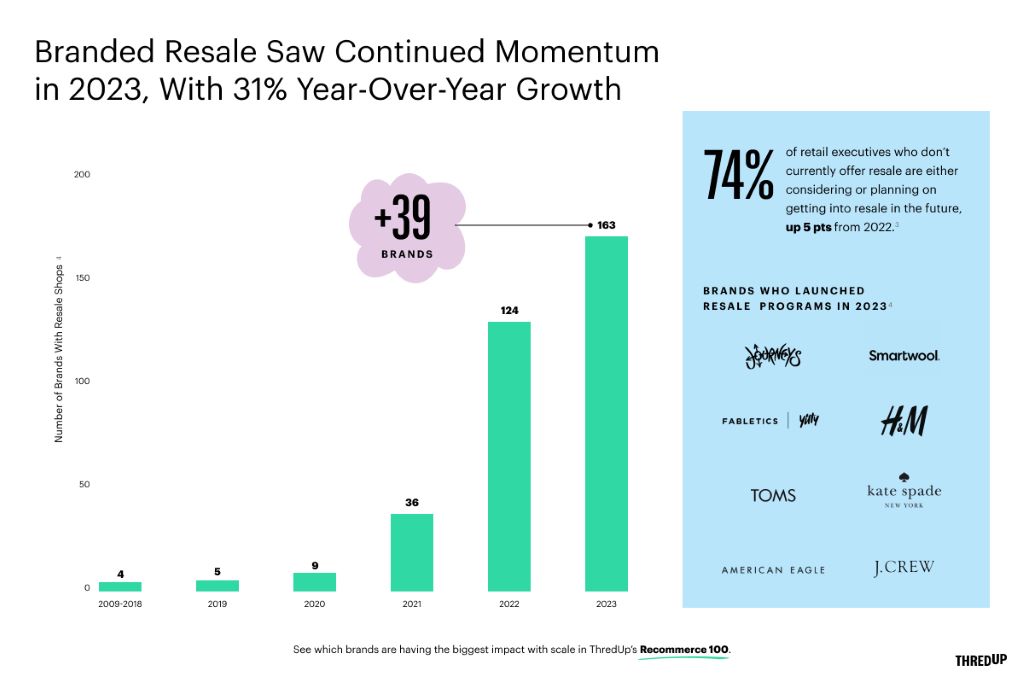
The secondhand clothing market is exploding, and fashion brands are scrambling to get on board. A new report by Thredup predicts the global secondhand apparel market will balloon to a staggering $350 billion by 2028, growing at a rate of 12% per year. This is a gold rush for brands, which are shifting their focus from "why" they should embrace resale to "how" they can integrate it into their business model.
The secondhand market is outpacing traditional retail by a wide margin. In 2023 alone, the global secondhand market grew 18% compared to a measly 6% for overall apparel sales. In the US, secondhand sales are expected to reach a whopping $73 billion by 2028. This trend is being driven by a younger generation comfortable with online shopping – 63% of secondhand purchases in 2023 were made online, with Gen Z and Millennials leading the charge.
Why the Shift?
But here's the real kicker for brands: They don't have to cede control to established resale platforms. Thredup reports a 30% year-over-year growth in branded resale programs. Levi's, Kate Spade, J.Crew, and even Oscar de la Renta are just a few examples of brands launching their own initiatives. These programs offer incentives for customers to both sell and buy pre-loved items, creating a closed loop that benefits both the brand and the environment.
The message for brands is clear: The secondhand market is a force to be reckoned with. By embracing resale, brands can tap into a growing customer base, boost their sustainability credentials, and secure a profitable slice of this booming market.
Sustainability and revenue boost
Sustainability is a major driver, but there's more to the story. Resale programs can attract new customers, generate additional revenue streams, and even boost brand loyalty. Concerns about cannibalizing sales of new items are fading as brands recognize that their customers are already shopping secondhand. The key to success lies in creating a seamless resale experience that complements, not competes with, new product offerings.
Top Resale Performers
The report also unveils list of top brands in resale for 2023, based on sales volume and sell-through rates on their platform. Here are the frontrunners:
• Lululemon
• Patagonia
• Vuori
• Reformation
• Free People
• Zara
• Johnny Was
• Sézane
• Anthropologie
• Skims
Rising Stars to Watch
The list also identified a group of "rising stars" in resale, showcasing brands experiencing significant growth in listed items and sales:
• Aritzia
• Spanx
• Outdoor Voices
• Rag & Bone
• Liverpool Los Angeles
• Mango
• Show Me Your Mumu
• Vans
• J. McLaughlin
• Nic + Zoe
Secondhand Clothing: A booming market or fleeting trend?
A new report by ThredUp, a major online consignment platform, paints a rosy picture for the secondhand clothing market, predicting explosive growth in the coming years. The report forecasts the global secondhand market will balloon to a staggering $350 billion by 2028, driven by a surge in consumer demand and a shift towards online shopping. However, a closer look reveals a more complex story with regional variations, evolving consumer motivations, and questions about the long-term viability of the business model.
US dominates, but other markets emerge
The report highlights the US as a powerhouse in the secondhand clothing market, with a projected value of $73 billion by 2028. This dominance can be attributed to several factors. The US boasts a strong culture of thrifting, with established stores fostering a love for pre-loved clothing. Additionally, high disposable income allows some consumers to access designer or unique items at a discount. Finally, a well-developed e-commerce infrastructure makes online secondhand shopping convenient and accessible.
However, the secondhand market isn't just an American phenomenon. Europe, particularly Germany and the UK, has a thriving vintage clothing scene. Developing economies in South America and Southeast Asia are also seeing a rise in secondhand clothing due to increasing internet access and a growing middle class. This suggests the secondhand market has the potential to be a global force.
Sustainability vs Affordability: What drives consumers?
The ThredUp report emphasizes sustainability as a key driver of secondhand shopping. While environmental consciousness is certainly a growing concern, affordability likely plays a bigger role for many consumers, especially with the threat of a looming economic downturn. However, the report also indicates a potential shift – growing awareness of fast fashion's environmental impact could lead to a more conscious embrace of secondhand clothing.
Brands Embrace Resale: A win-win situation?
The report highlights a growing trend of brands launching their own resale programs. This move benefits brands in several ways. Resale allows them to tap into a new customer base who might not be able to afford new items at full price. It also offers a new revenue stream and aligns with growing consumer demand for sustainable practices. By embracing resale, brands can demonstrate their commitment to environmental responsibility and potentially win over eco-conscious consumers.
Profitability Concerns: Can the model survive?
Despite the optimistic market forecast, a major concern lies in the lack of profitability among major players like ThredUp. Sorting, processing, and marketing used clothing can be expensive, and the increasingly crowded secondhand market puts pressure on margins. Additionally, educating consumers about the value proposition of secondhand clothing takes time and investment. ThredUp's focus on long-term growth suggests they believe the model can become profitable as the market matures and operational efficiencies are achieved. However, the lack of immediate profitability raises questions about the long-term sustainability of the business model itself.
Future Trend or Fad? The verdict is still out
The secondhand clothing market's growth suggests it's more than just a passing fad. Several factors support its long-term viability. Growing consumer awareness of the environmental impact of fast fashion could fuel a permanent shift towards secondhand clothing. Additionally, affordability will remain a major driver, especially in economically uncertain times. Furthermore, advancements in online platforms and logistics will make secondhand shopping even more convenient and appealing.
However, the secondhand market's future success hinges on overcoming some key challenges. First, secondhand businesses need to find ways to become profitable to ensure their own long-term sustainability. Second, continued education is crucial to highlight the environmental and economic benefits of secondhand clothing for sustained market growth. The future of this market depends on addressing these challenges and solidifying the value proposition for both consumers and businesses.
Textile, Apparel SMEs: A critical look at the CRISIL’s rebound report
The Indian textile and apparel industry, especially for SMEs, is poised for a potential rebound, as indicated by the recent CRISIL SME Tracker report. However, beyond the fluctuations in cotton prices, a multitude of challenges confront these enterprises. This comprehensive analysis aims to dissect the intricacies of the situation, incorporating insights from various sources, including industry reports, case studies, and expert opinions.
Is cotton the only culprit?
While cotton price volatility remains a significant concern impacting SMEs, it is not the sole culprit behind the industry's challenges. The CRISIL report acknowledges subdued export demand as another critical factor, alongside global economic headwinds and fierce competition from other textile-producing nations like Bangladesh and Vietnam. Additionally, a joint study by CITI and CRISIL underscores challenges such as stiff competition and limited access to credit.
The composition of textile SMEs
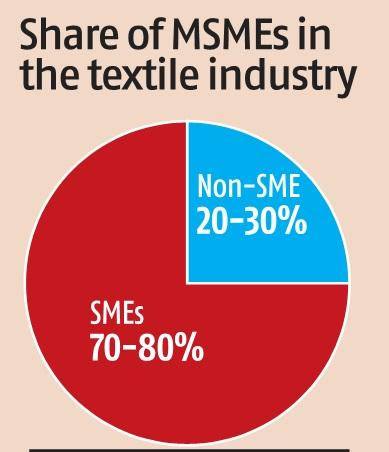
SMEs constitute a substantial 75% of the textile value chain, though there exists a vital dichotomy between export-oriented and domestically focused enterprises. Clusters such as Tirupur and Mumbai heavily rely on exports, while Kolkata and Ludhiana cater more to the domestic market . However, the dominance of SMEs in the domestic market is highlighted, with around 60% primarily targeting domestic consumers.
Can domestic demand save the day?
While resurgence in domestic demand offers hope, it presents its own set of challenges. Many domestic SMEs lack the necessary resources to penetrate the pan-India market effectively, facing stiff competition from larger players. Moreover, rising raw material costs and intense competition continue to squeeze margins, as evidenced by the struggles faced by SMEs in regions like Ludhiana.
Challenges beyond cotton
The hurdles faced by textile SMEs extend far beyond cotton prices. Limited access to credit inhibits expansion and technological advancement, while a persistent skill shortage hampers productivity. Moreover, technological backwardness and fierce competition from both larger domestic players and imports create a challenging environment for these enterprises.
Case Studies: Illustrating Real-World Struggles
The plight of export-oriented SMEs in Tirupur and the challenges encountered by knitwear manufacturers in Ludhiana exemplify the multifaceted obstacles faced by Indian textile SMEs. Industry experts emphasize the need for a multi-pronged approach beyond stable cotton prices, advocating for improved access to credit, skill development initiatives, and technological adoption.
While optimism surrounds the potential rebound of Indian textile SMEs, a deeper examination reveals a landscape fraught with challenges. To ensure sustained growth and resilience, concerted efforts are required to address issues beyond cotton prices. Initiatives focusing on skill development, facilitating access to credit, and fostering innovation are imperative for the long-term vitality of this crucial sector within the Indian economy.
Revenues from India’s textile industry to rebound next financial year: CRISIL
After being hit by volatile cotton prices and muted export demand in the previous two financial years, India’s textile industry is expected to witness a rebound in revenues in the next financial year.
As per a report by CRISIL, the industry will close this financial year with lower revenues as nearly 25 per cent correction in the cotton prices and subdued RMG exports have toned down realisations. Accounting for one-fourth of the overall market, exports are currently impacted by a slowdown in key markets, although domestic demand continues to grow at a steady rate. Particularly impacted are small and medium enterprises (SMEs),that constitute upto 75 per cent of the textile value chain. Growth is expected to revive in the next financial years as domestic demand continues to rise, cotton prices stablise and exports recover.
With consumption continuing to be lower than production, cotton prices are likely to remain stable, supporting the cost competitiveness of the cotton textile value chain. The volume growth for cotton spinners is likely to normalise after an 80-85 per cent growth this year on a low base. For RMG players, volumes are expected to inch up in line with a gradual improvement in major export destinations such as the US, EU, and UK.
Revenue growth in key export-oriented RMG clusters such as Tirupur, Bengaluru and Mumbai is expected to slowdown to 6-7 per cent in the next financial year. Highly dependent clusters on the domestic market, such as Kolkata, Kanchipuram and Ludhiana are likely to outperform export-centric clusters.
Profitability of players is expected to improve as cotton prices stabilise and inventory losses minimise. Over the medium term, the free trade agreements with the UK and the setting up of textile parks under the PM MITRA scheme will help improve India’s competitiveness in the RMG domain. The scheme will be complemented by the Production Linked Incentive scheme that will also boost to domestic manufacturing.











