


FW
Reloved - innovative and responsible, without compromising on style
 Featuring the innovative ISKO’s R-TWO program, the Reloved collection has a new take on sustainability: it relies on fabrics made of reused and recycled materials as well as an advanced design research for the development of a new, conscious style.
Sustainability through the use of highly responsible materials and the experimentation of fits: this is Reloved, the new collection developed by Haikure in partnership with leading denim ingredient brand ISKO. Presented with an exclusive preview during Milan Fashion Week, it is an act of love for the planet, the environment and the people. The project perfectly embodies all the values that made the longstanding partnership between the two brands possible – a responsible approach to innovation and the development of cutting-edge concepts.
Taking into account both materials and design, Reloved features the pioneering ISKO’s R-TWO program, which relies on a blend of reused cotton and recycled polyester. During the processing of raw cotton into yarn, for every 100 kilos of cotton approximately 10% is lost. ISKO collects it and prevents it from becoming waste, adding it back into the spinning process obtaining cotton that is fully traced, documented and audited. This verification process has been invented by ISKO in partnership with its yarn supplier Sanko, offering full clarity into the traceability of reused cotton from field to fabric. It is also certified with the Content Claim Standard – or CCS – of the Textile Exchange.
Recycled polyester comes from clear plastic bottles or, alternatively, it can come from other certified waste: in either case the source material is collected, sorted, stripped of labels and caps, and cleaned to be ground into plastic pellets. These can then be re-spun into new fiber filaments. Depending on the content percentages, for the recycled polyester ISKO can provide either the Recycled Claim Standard (RCS) or Global Recycled Standard (GRS) certifications, both of which track the recycled raw material through the supply chain from input to final product to verify its integrity. Designed to tackle over-sourcing, the platform improves the environmental performance impact of yarn-to-fabric production. As ISKO’s latest responsible evolution, ISKO’s latest responsible evolution has resulted also in the perfect solution to enhance the responsible character of the Reloved collection.
The collection’s fresh and innovative take on style combines unisex concepts and oversized fits, is available in one shade of color featuring a variety of prints and is crafted with the planet and its inhabitants in mind. To provide full clarity and traceability from field to shelf, materials and processes are kept under the control of Made By, an independent agency that controls the social and environmental conditions of all elements of the production process. “Haikure and ISKO have always shared the same values and approach to innovation,” explained Elena Faleschini, ISKO Global Field Marketing Manager. “Reloved is a testament to how fashion can be both innovative and responsible, without compromising on style.”
Amae – a combination of fashion and sustainability
 The Amae collection perfectly embodies the combination of high-end looks with a sustainable vision, delivering effortless and stylish garments. It celebrates women’s natural shape enhancing it with Haikure’s delicate designs and ISKO premium denim. Amae – the Italian brand’s latest collection and the latest chapter in the longstanding partnership between Haikure and ISKO – is inspired by the idea of “taking care”.
Aiming at promoting the value of Responsible Innovation, the collection delivers high-end contemporary looks resulting from the shared commitment to provide remarkable innovation while fostering a mindful approach in the fashion and denim industries.
ISKO, pioneer of responsibility and the first denim mill in the world awarded both the prestigious EU Ecolabel and Nordic Swan Ecolabel, supported the project providing Amae with responsible ingredients to shape its neat looks.
Clean and minimal, the garments feature ISKO Pj Soft which, like a gentle embrace, grants the skin a silky touch and a soft feel. Responsibly produced according to ISKO’s holistic vision based on creativity, competence and citizenship, this light and soft fabric molds and moves with the wearer, providing an all-round flattering silhouette and comfortable fit that never feel restrictive.
As part of ISKO’s 25,000+ products, this textile concept also has a certified Environmental Product Declaration (EPDs) for its Life Cycle Assessment (LCAs), ensuring a full transparency about its environmental impact by providing the water usage and carbon footprint of 1 square meter of fabric.
As signatory member of ZDHC Foundation, ISKO also avoids harmful substances and hazardous chemicals in its entire production chain, resulting in safer denim that are good for both people and the planet. Presenting three different washes – regular and stone wash, as well as dyed, this fashionable and responsible collection will be available in Italy, Spain and Germany.
Coronavirus dampens Chinese yarn demand
The outbreak of the Coronavirus (COVID 19) in China will undoubtedly weaken demand for imported yarn. At present, weavers in various regions are slowly returning to work, especially large-scaled ones, but the small and medium-sized are still shut down. Although spinners in various regions have announced plans to resume work, there are still restrictions on transportation and delivery delays. Downstream weavers have not yet fully resumed work. The stagnation of logistics has led to the accumulation of goods by traders. In addition, the market demand is uncertain. Trading will be thin for some time. Domestic traders plan to quote up after the holidays. At the same time, with reference to international cotton and cotton yarn prices and exchange rates, imported yarn prices may continue to be weak.
The increase in forward imported yarn prices before the holidays was much larger than that in cotton prices, mainly due to China’s regular replenishment from Vietnam and Pakistan. Traders in Bangladesh and Egypt continued to purchase Indian yarn. Carded, combed and open-end yarn prices were weak this week. The profit of Vietnamese yarn mills fell after the holidays, and now it fluctuates near the breakeven level. For forward yarn suppliers, China’s stagnant procurement has been a problem.
US apparel sales slump to 10 year low
Apparel sales in the US have been the slowest since March 2009 despite markdowns and promotions. Clothing stores sales dropped 3.1 per cent in January. One reason is that millennials are spending less on clothing. Another is that the heavy discounting that was done during the Christmas period caused lower interest in apparel in January. Fourth quarter sales are disappointing and earnings results are poor.
Retailers in the US have turned to secondhand clothing. They delight in selling secondhand clothes, denim, and markdowns. Macy’s now has 40 units with secondhand apparel, JC Penney has 30 secondhand shops, and Madewell has six shops with secondhand apparel.
Nordstrom’s resale shop is stocked with merchandise that has been returned by its customers. Each item is cleaned, refurbished, and sold at about half its original price. Gap will give gift certificates to customers who return goods for resale.
Stores promote a color by having all mannequins in the same fashion color. They back up the color with different styles and create interest among fashion conscious customers. So spring may have beautiful florals, in the fall earthy tones. Some of the ideas came from the leather shoes industry – some sneakers have graphics on them.
EU withdraws EBA privileges for Cambodia
The EU has decided to withdraw one-fifth of the Everything But Arms (EBA) for Cambodia covering Cambodia’s exports of garment and footwear products, travel goods, and sugar. Without EBA, Cambodia will find it difficult to continue the necessary transformation of the textile industry. It will negatively impact future investments, as well as predictability and trust, two crucially important elements of a well-functioning industry. It will also make it difficult for Cambodia to create a modern and competitive industry, with a skilled workforce, and where labor rights are fully respected. With EBA gone, Cambodian products will be less competitive. Due to the tax which will be applied, Cambodian products in the EU market will cost more than those from other countries that still have EBA. Consumers will naturally opt for the cheaper product. In addition the economy will be hit by global challenges, including Covid-19, world security and external trade wars.
In response Cambodia is planning steps like creating jobs for those who may lose their jobs and encourage them to look for overseas jobs depending on their capacity; improving infrastructure and reducing unnecessary expenses for the private sector; and organising the budget so it can be spent effectively and efficiently.
Shima Seiki develops weft knitting machine
Shima Seiki is developing a prototype weft knitting machine capable of multi¬axial insertion. Fabrics produced on the prototype machine use the inlay technique for the production of hybrid textiles that combine the stretch characteristics of knitted fabrics with the stability of woven textiles, suited to various technical applications. Warp insertion further expands the capability of the machine to produce 3D¬shaped carbon fiber and composite preforms directly on the machine. Shima Seiki’s own yarn unwinding technology is also used for optimum yarn feed and tension for use with technical yarns that are otherwise difficult to knit. Shima Seiki is a Japanese textile solution provider. The company’s fast, efficient and reliable P¬CAM series computerized cutting machines are known for their innovative functions and boast the largest market share in Japan. Strong, robust components permit quicker response times for knife movement and more accurate cutting of composites and other industrial materials.
The new SDS¬ONE Apex4 design system is the fourth generation of its series and the most powerful, most efficient Apex to date. Processing speeds for programming and simulation are improved by up to 600 per cent compared to the previous generation SDS¬ONE Apex3 for quicker response especially in virtual sampling.
Gap partners thredUP to boost circular fashion
Gap has partnered with thredUP to encourage customers to exchange secondhand clothes for shopping credit at Gap, Banana Republic, Athleta, and Janie and Jack stores. thredUP is an online platform that partners retailers to support the circular fashion economy. It is the largest fashion resale platform in the world and upcycled its 100 millionth item in 2019.
Participants redeeming credits at Gap brands will receive an additional 15 per cent payout bonus. thredUP bags or labels will be available to customers at certain Gap, Banana Republic, Athleta and Janie and Jack stores in the United States, beginning in April. Gap, which currently diverts nearly 50 per cent of waste generated from its North American facilities, is working to divert more than 30 million pounds of material annually from landfills.
This is the latest in a long line of partnerships between thredUP and retailers. About 30 JC Penney stores offer a selection of secondhand women’s clothing and handbags. Each thredUP shop at JC Penney is thoughtfully curated and refreshed weekly to offer current fashion to shoppers. The platform has a 40-store pilot program with Macy’s. In October of last year, Madewell and thredUP partnered to sell secondhand jeans in Madewell stores in select markets.
Chinese outbreak hits Bangladesh
Bangladesh’s major export sectors have been affected by the Coronavirus (COVID 19). Nearly 60 per cent fabrics of Bangladesh’s woven sub-sector are imported from China. Some 15 to 20 per cent raw materials and 80 to 85 per cent dyeing chemicals and accessories of the knitwear sector come from China. The supply chain of these items is already facing disruption. Each month Bangladesh imports some 200 containers of cosmetics and toiletries from China. Due to the virus outbreak import and shipment of these items have been suspended. Bangladesh also imports machinery and spare parts of the electrical merchandise manufacturing industry from China.
Other exports from China to Bangladesh consist of raw materials for the printing industry, containers of medical instruments and hospital equipment, raw materials and ready products of the eyewear industry, computer and computer accessories. Due to the supply chain disruption prices of raw materials, equipments, and accessories in Bangladesh have already started to go up.
Due to the virus outbreak both the domestic and export trade of China has come to a standstill. China is a top sourcing partner for Bangladesh. Any long lasting supply chain disruption with China can have a catastrophic impact on Bangladesh’s economy.
Kerala-based Aranya Natural promoting natural dyed fabrics
Aranya Natural, based in Kerala, produces natural dyed fabrics. The fabrics are produced by specially abled associates. Around 60 per cent of Aranya Natural’s products are sold abroad. Increased awareness has created a big market abroad for natural dyes and organic cotton clothes. Though they are expensive people especially in Europe feel children should be protected from chemicals and prefer such products.
Shrishti, s the promoter of Aranya Natural runs programs for the education training and rehabilitation of the differently abled children of tea plantation workers in Munnar, a hilly region in Kerala. Most commercial dyers in India ignored the nation’s wealth of local techniques, instead using potentially carcinogenic chemicals like azos that were harming the environment. No organization in the country had fully explored the area of natural dyes and the very few centers that made them didn’t follow environmentally sound processes. Shrishti adopted conscientious practices to create naturally dyed products that would ensure the survival of not only natural dyeing techniques, but also the livelihoods of the communities. It decided it would be the first movers in this space and build a model for responsible eco-friendly processes, quality, and providing well-paying employment to differently abled young people. So was incepted Aranya Natural in 1994.
Face Mask production in China in full Swing, daily output crosses 54.77 million pieces
The production growth of Face Mask is nothing short of a reflection of the China government’s efficiency, complete supply chain, logistics connectivity, first-aid responding system, and determination strengthened by brains and brawns to win the battle!
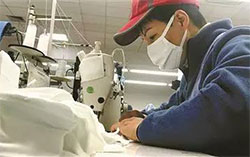
On February 24, Mr. Congliang, Secretary General of National Development and Reform Commission (NDRC) was invited to meet the news media at the press conference held by the State Council Information Office to introduce the updates for face mask supplies, with the issues relating to employment, finance, raw materials etc. in the companies that NDRC helped addressing.
Right now, there are 30 provinces, except Tibetan, with new production lines for face masks which went into operation one after another, and more lines are to be approved in the days to come. As of February 22, the daily output of face masks rose up to 54.77 million pieces, 2.8 times higher than that on the very first day of this month, amounting to 570 million pieces over the past 20 days.
The production growth is nothing short of a reflection of the government efficiency, complete supply chain, logistics connectivity, first-aid responding system, and determination strengthened by brains and brawns to win the battle. 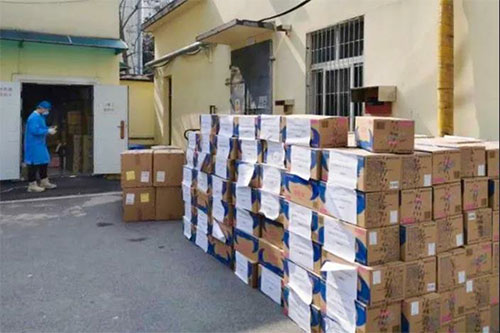
The Secretary General of NDRC told the reporters at the news briefing that the whole mission was carried out in two phases, and N95 face mask production was a primary consideration for the safety of the frontline doctors and nurses at the beginning. Great efforts were made to expand the production lines of this medical necessity with 919,000 pieces on daily count on February 22, 8.6 times as much as that on the start of this month. Over the past three weeks, 3.3 million N95 masks have been allocated through national instruction scheduling system from the provinces where the production of this special item is available, largely to the disease-ridden Wuhan city of Hubei province, also to Beijing and the other provinces with no N95 manufacturing. Actually, 2.68 million pieces went to Wuhan city where the daily supply of N95 can be shipped to at this moment, enough to meet the needs of over 60,000 medical workers fighting on the front.
As the factories start to resume operations here and there, workforces come back to work, this boosts the already tight supply up to insatiable shortage with an explosive demand growth. NDRC is shifting its focus on medical masks to civilian-purposed ordinary mouth muffles, accordingly in this new phase.
Contributed by Mr. ZHAO Hong
He is working for CHINA TEXTILE magazine as Editor-in-Chief in addition to being involved in a plethora of activities for the textile industry. He has worked for the Engineering Institute of Ministry of Textile Industry, and for China National Textile Council and continues to serve the industry in the capacity of Deputy Director of China Textile International Exchange Centre, V. President of China Knitting Industry Association, V. President of China Textile Magazine and its Editor-in-Chief for the English Version, Deputy Director of News Centre of China National Textile and Apparel Council (CNTAC), Deputy Director of International Trade Office, CNTAC, Deputy Director of China Textile Economic Research Centre. He was also elected once ACT Chair of Private Sector Consulting Committee of International Textile and Clothing Bureau (ITCB)











