


FW
Germany’s fabric and apparel exports to decline in 2021
Apparel and fabric import by Germany are expected to decrease in coming months due to rising COVID-19 cases. As per CCF Group, the pandemic is also likely to affect Germany’s trade within EU member states, as most of them are also subject to lockdown restrictions. From January-June 6, 2021, the value of Germany apparel and fabric import is expected to drop by 1.95 per cent to $3.18 billion. This is mainly due to the lockdown of most EU member states, including Germany, in the first half of 2021, and the closure of apparel and fabric stores
In 2020, German apparel and fabric imports rose from September. In the second half of 2020, China and Turkey were the main exporters of German apparel and home textiles respectively. In its preceding year Germany imported apparels and fabrics worth $40.69 billion. However, its import value dropped by 4.36 per cent to $38.92 billion in 2020 due to COVID-19 outbreak.
Amazon emerges as the largest clothing retailer in the US
Replacing Walmart, Amazon has emerged as the largest clothing retailer in the United States. A Wells Fargo analyst predicts, Amazan sold about $41 billion worth of apparel and footwear in 2020, accounting for 11-12 per cent of all clothes sold in the United States. The e-tailer’s clothing revenues increased by 20 per cent over Walmart’s last year, and it hopes to sell over $45 billion worth of apparel and footwear this year.
Amazon recorded its best sales during the COVID-19 pandemic, as many Americans stopped shopping indoors. The company’s web services benefited immensely from the work-from-home models last year. On the other hand, Walmart has launched new clothing labels and collaborated with fashion designers in recent years to increase sales. The e-commerce company recently expanded its sportswear offerings and collaborated with a fashion designer to design clothes for Michelle Obama.
Pandemic control helps Southeast Asia regain textile and apparel orders
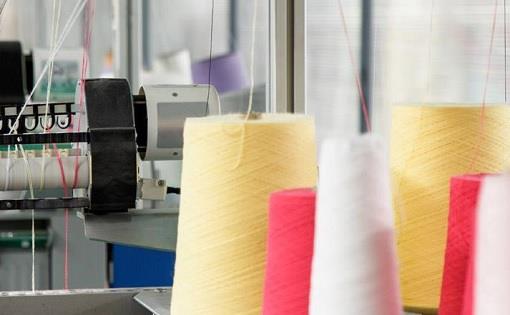
Southeast Asian countries lost quite a few textile orders last year due to the pandemic. However now, as the pandemic situation in these countries is controlled, orders are again flowing back. As per Vietnam’s Ministry of Industry and Commerce statistics, there has been a 1.1 per cent increase in textile exports in the first quarter of 2021. Fiber and yarn exports grew 31 per cent while exports of canvas and industrial fabrics grew 8.8 per cent.
In 2021, Vietnam aims to increase its textile and apparel exports by 10 per cent to $39 billion, reports China Textiles. The target seems achievable as Vietnam has signed several free trade agreements in recent times. Also, economic recovery of major markets including the US, the European Union, Japan and Korea are likely to boost Vietnam’s exports. VNDirect, a Vietnamese securities firm, predicts Vietnam’s textile exports will grow 8.4 per cent in in the second quarter of 2021.
Pakistan too will exports grow
From July 2020-January 2021, Pakistan’s textile and apparel exports increased over 8 per cent year-on-year to $8.76 billion. As per Pakistan Bureau of Statistics, exports increased by 10.79 per cent to $1.32 billion in January 2021. The main items exported by Pakistan were: high value-added textiles, such as knitwear, towels, bedding, etc.
However, Bangladesh reported a 5.83 year-on-year decline in apparel exports in January 2021. From July 2020, the total value of Bangladesh’s apparel exports declined by 3.44 per cent to $18.408 billion. Exports of woven apparels declined 10.85 per cent year-on-year to $8.419 billion. Meanwhile, exports of knitted apparels increased 3.84 per cent to $9.989 billion. The country exported 62.47 per cent of its apparels to the European Union followed by the US accounting for 18.5 per cent and Canada accounting for 3.11 per cent.
Southeast Asia’s gain leads to China’s loss
Though the outbreak of COVID-19 led to some orders diverting from Southeast Asia to China last year, this situation was controlled by November 2020. The current vaccination drive launched by several countries is expected to attract textile and apparel players back to South Asia.
This does not bode well for China though. March and April are considered peak season for textile orders in the country. However, the situation there is not very optimistic. The recovery of weaving opening rate has slowed down in Jiangsu and Zhejiang leading to an increase in inventory of grey fabrics. The opening rate of dyeing and printing has also slowed down. It would be difficult for China to regain orders lost to Southeast Asia. It can however, focus on enhancing the quality of its textiles and optimizing its supply chain.
Authentication, price transparency key for new players in men’s resale
 Men’s resale market is growing with platforms like StockX and Goat achieving breakthrough performances in the last two years. For the first time, StockX broke even in 2020 to register profits in third quarter. Goat also recorded profits in all parameters including earnings before interest, taxes, depreciation and amortisation or EBITDA in 2020.
This has led to both platforms announcing expansion and growth plans, says a Business of Fashion report. StockX announced new $255 million funding round in early April which surged the company’s value 35 per cent. Similarly, in September last year, Goat had announced a $100 million round which valued the company at $1.75 billion. This was followed by an undisclosed eight-figure investment by Groupe Artémis, a holding company founded by Kering head François Pinault, in January of this year.
Focus on expanding market presence
Both companies aim to be the next global retail powerhouses, competing with Amazon and Farfetch. Goat plans to expand luxury offerings beyond resale.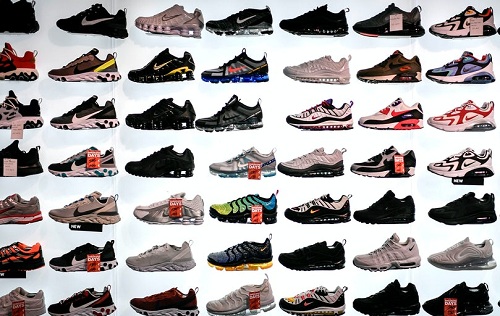 For this, the company aims to form new luxury partnership later this year. Its partnerships with Balenciaga, Versace and Alexander McQueen helped the platform establish as a direct retailer.
On the other hand StockX expanded its market for collectables like basketball cards and electronics. Its top two selling products in 2020 included the Sony Playstation 5 and Microsoft’s Xbox Series X.
To maintain their growth levels, both need to focus on international markets. StockX witnessed a 135 per cent year-on-year growth in buyers outside the US in Q1 this year and plans to open more authentication sites and operational facilities to expand overseas presence and accelerate sourcing and shipping costs.
Both companies plan to focus on the Asia Pacific market where consumers are more open to resale; particularly in categories like sneakers and streetwear. To succeed, they will have to not only manage customer acquisition costs but also roll out authentication sites, build a robust buyer-seller network and customer support services for new territories, says Oliver Chen, Retail Analyst, Cowen. StockX and Goat will also have to compete with local players like venture capital-backed platforms Poizon and Nice in China. Consolidation and M&A will help these players create more localized options.
Both platforms may also face competition from new resale platforms like Nike Refurbished, which authenticates and grades sneakers to sell at reduced prices. Third-party platforms like Recurate and Trove are also likely to threaten their business.
While the resale market is large enough to accommodate multiple platforms, success mainly depends on their ability to maintain consumer loyalty. One of the ways, platforms can differentiate themselves from competitors is by offering more incentives to buyers and sellers. Instead of competing on percentage, they need to concentrate on product authentication and price transparency.
Salvatore Ferragamo’s revenues increase by 10.3%
The Board of Directors of Salvatore FerragamoSpA, parent company of the Salvatore Ferragamo Group, has approved the Consolidated Interim Report as of March 31, 2021.
As per this report, the total revenues of Salvatore Ferragamo Group increased by 10.3 per cent to €245 million. The increase in revenues has been achieved despite the permanence, in some countries, of lockdowns of the commercial activities, bans and restrictions on international traffic, due to the Covid19 pandemic.
As of 31 March 2021, the group's retail network counted on a total of 638 points of sales, including 390 Directly Operated Stores (DOS) and 248 Third Party Operated Stores (TPOS) in the Wholesale and Travel Retail channel, as well as the presence in Department Stores and high-level multi-brand Specialty Stores.
In 1Q 2021 the retail distribution channel posted consolidated revenues up 17.2 per cent showing a +14.7% at constant exchange rates and perimeter (like-forlike) vs. 1Q 2020, with the primary channel over performing.
The wholesale channel registered flat revenues despite the persistent negative trend of the travel retail channel. Revenues by Asia Pacific area increased by 50.6 per cent.Gross Operating Profit (EBITDA1) Gross Operating Profit (EBITDA1) amounted to €48 million, The Operating Profit (EBIT) was positive for €7 million Profit before taxeswas positive for €3 million. Net profit for the period, including the minority interest, was at break-even €-0.6 million vs-€41 million in 1Q 2020.
Moore Maxxamlaunches new range of recycled fabrics
Moore Maxxam has launched a new range of recycled fabrics for kids. These fabrics will be made using Q-NOVA®, an environmentally sustainable nylon 6.6 fibre obtained from regenerated raw materials and certified by Global Recycled Standard. It is a highly ecological product which aims to reduce CO2 emissions, consume less water, and use renewable energy.
The Moore Maxxam Eco Pledge outlines the brand’s manufacturing commitment and ethical brand ethos of using an over 50 per cent recycled nylon, made by upcycling waste nylon yarn for the fabric and recycled polyester yarn for the labels.
Every garment has longevity because it is made from durable, high-quality fabric, that stretches to fit around children for years of growth. Each part of the making process, starting from the knitting of our fabric, through to the garments' sewing is made locally in England. - Moore Maxxam is constantly working on more sustainable/regenerative ways of manufacturing clothing, creating textiles, and adapting the day to day running of the brand. The Mini Maxx collection, available at www.mooremaxxam.com, comprises four pieces; a bodysuit, a playsuit, long shorts, and a vest top – all featuring the seamless, stretchy Maxxam® fabric and designed to be multi-activity.
Vietnam’s textile exports rise by 9 per cent in January-April 2021
Vietnam’s textiles exports increased 9 per cent year-on-year to reach $9.51 billion in January-April, reports CCF Group. The export value of fiber and yarn increased by 43.4 per cent to reach $1.64 billion and that of textile, leather and footwear raw and auxiliary materials increased by 14.1 per cent to reach $642 million.
In April 2021, Vietnam's textile manufacturing index rose by 2.7 per cent month-on-month and 17.3 per cent year-on-year. The apparel manufacturing industry grew 3.9 per cent month-on-month and 29 per cent year-on-year. Overall, during January-April, the textile production index moved up by 7.8 per cent year-on-year, the apparel manufacturing industry climbed up by 9.5 per cent, and the leather and related products increased by 11 per cent.
According to the Vietnam industrial and trade daily, though the industry deserves FTA dividend, lack of self-sufficiency of raw and auxiliary materials, Vietnamese domestic textile and apparel mills prevents it from enjoying FTA tariff preferences. As per Vietnam Textile and Apparel Association, average utilization rate of certificate of origin (C/O) is about 58 per cent for textile and apparel products exported to countries that have signed FTA, of which, the c/o utilization rate is about 60 per cent-70 per cent under CPTPP, while that to the EU is only 20 per cent-30 per cent under EVFTA.
The main obstacle to low utilization rate of C/O and failure of enterprises to enjoy dividends is the origin of feedstock, says the Association. In addition, domestic enterprises also face strong competition from foreign enterprises. The Association urges Vietnamese government to strengthen the development of supporting industries to meet the demand of feedstock.
Hola Global to expand overseas operations
Noida-based apparel wholesaler Hula Global aims to expand its business overseas. Founded in December 2018, the company is currently negotiating with a large US brand for an exclusive manufacturing contract for one of their brands. It is also planning to launch a service to enable Indian manufacturers launch their private labels in the US market.
Hula Global operates on a unique modular manufacturing model which helps it eliminate intermediaries and pay factories more. The company started as an online fashion brand in 2014, informs Karan Bose. It later pivoted to modular manufacturing and is currently a private label manufacturer for some of the well-known global brands besides owning six brands.
Hula Global’s first step is to understand customers’ challenges and try to solve them. It has a team of in-house designers to support brands in designing process. The company also helps brands generate cost savings.
New York 2021 Summer Textile Shows to introduce new sourcing concept
The 2021 Summer Edition of the New York Textiles Shows—Texworld New York City, Apparel Sourcing New York City and Home Textiles Sourcing —will be held with a new sourcing concept in a new location. As per Sourcing Journal, the events will not have any physical exhibitors at the Starrett-Lehigh Building in West Chelsea from July 20 to 22. The innovative sourcing showroom will help exhibitors showcase their textiles and finished goods without physically being present at the event.
Curated by New York-based trend agency, The Doneger Group, the Sourcing Showroom will be transformed into a modern gallery of textiles and finished apparel, highlighting the Fall-Winter 2022-23 trends. Visitors will explore thousands of fabrics, apparel and accessories from global suppliers in more than 25 countries, including India, Pakistan, Turkey, China, Portugal, Taiwan and South Korea.
Each textile will be equipped with a QR code directly linking the buyer to the exhibitor’s virtual space where an immediate conversation can be made with the supplier and a more detailed list of product information can be found.
The well-known educational programs, the Lenzing Seminar Series and Textile Talks, will remain an integral part of the show, as well as the highly regarded Trend session with Kai Chow of The Doneger Group. The programs will be streamed live at the Starrett-Lehigh Building during show hours.
Indonesia’s textile and garment industry confronts several challenges
The Indonesian textile and garments industry is facing several serious challenges. COVID-19 crisis has led to loss of 65 per cent textile jobs. Also, there is a structural lack of new investment in the industry in recent years. Despite challenges, Indonesia ranks sixth amongst the world’s biggest textile producing countries as per worldwide textile output in 2019. The Grand View Research report predicts the global textile market to expand at a compound annual growth rate (CAGR) of 4.4 per cent from 2021 to 2028, with growing demand for apparel from the fashion industry and further expansion of e-commerce platforms expected to drive the market over the forecast period.
Prior to the COVID-19, demand for apparels was especially driven by growth in developing countries such as China, India, Mexico, and Bangladesh. The extent to which COVID-19 crisis has disrupted this situation remains unclear.











