FW
India’s cotton production to reach 35 mn bales this season
Cotton production in India during the cotton season 2021-22 is expected to be above 350 lakh bales, says Indian Cotton Federation. The increase in minimum support prices has encouraged farmers and helped maintain the area under cotton. It incentivised farmers to take up better crop management practices. On the export front, too, the demand is robust. The Indian textile industry saw good demand during Covid because of the market for protective garments and later because of the market going up for garments and made-ups.
The challenges now are the need for fiber quality, proper grading, improved seed and initiatives to realise better yields. It is believed that with the right initiatives Indian farmers can reach an yield of 1000 kg. Also many brands in the US and Europe are forcing suppliers to go in for the sustainable tag and Indian cotton has not been recognised as sustainable. So there is a need for simple sustainable guidelines, which can be easily implemented by the Indian farmer.
Out of India’s total cotton exports, 40 per cent is exported to China. Similarly China has a 28 per cent share in India’s yarn exports. In cotton and cotton yarn, Vietnam is the third largest importer for India.
Global smart textiles market to grow at a CAGR of 232 per cent till 2026: Report
A new market research report ‘Smart Textiles Market’ estimates, the market will grow at a CAGR of 23.2 per cent from $2.3 billion in 2021 to $6.6 billion by 2026. Growth will be mainly driven by adoption of advanced technologies, miniaturization of electronic components, expansion of wearable industry, etc.
The sudden outbreak of COVID-19 impacted global demand for smart textiles with many companies being forced to adopt remote working practices. Lockdowns in almost all major countries disrupted supply chains, halting manufacturing activities and delaying production. As a large share of the global population is working from home, there is growing preference for indoor fitness activities, leading to a surge in demand for apparels and accessories integrated with smart applications and sensors that can monitor heart rate and oxygen levels. Some countries like the US are also using smart textiles in other forms like heated blankets and socks in some countries like the US.
Passive smart textiles used in military and protection
The first generation of smart textiles is known as passive smart textiles. These can only sense environmental conditions or stimuli but cannot adjust according to external changes. Some passive smart textiles include optical fiber-embedded fabrics, conductive fabrics UV protective clothing, antibacterial fabric textiles, multilayer composite fibers and textiles, plasma-treated fabrics, ceramic-coated fabrics, conductive fibers, and fabrics with optical sensors. These are majorly used in the military and protection vertical due to their ruggedness.
Companies offering passive smart textiles across the world include DuPont, which provides fibers, industrial fabrics, and covers used in the medical, military, and aerospace verticals, and Outlast Technologies, which provides acrylic, viscose, and polyester fabrics used in bedding, apparel, and footwear applications.
Sensitive to external stimuli
Smart textiles are sensitive to environmental conditions or stimuli generated through mechanical, thermal, chemical, electrical, magnetic, or any other sources. They can monitor body heat, heart rate, respiration rate, motion and speed through various sensors. On being used in gloves, shirts, and pants, these smart textiles can also sense different health parameters of a wearer. They can also track the wearer’s psychological movements such as bending, location, movement, and pressure.
In terms of growth, North America holds the largest share in the smart textiles market due to its technological innovations and advancements. The country is witnessing a demand boom from the electronics and medical industries. Some key players are: DuPont, Alphabet , Jabil, AIQ Sensoria and Gentherm from the US; Interactive Wear and Adidas from Germany, Hexoskin from Canada and TenCate from the Netherlands.
Easy availability, socio-economic trends to boost denim fabric market till 2030

As per latest Allied Market Research report, the global denim fabric market is estimated to grow at a CAGR of 4.4 per cent from 2021 to 2030 to reach $27.9 billion by 2030. Market growth will be driven by the availability of denim fabrics at affordable prices and socio-economic trends, adds a report by the Textile Value Chain. Demand for denim fabrics is abundant in countries like India, China, Brazil, Italy, and Bangladesh due to the easy availability of cotton. The entry of new manufacturers is encouraging leading players in these markets to expand their international presence
However, growth in these markets is also being hindered by the uncertainty in raw material prices and environmental concerns arising due to usage of synthetic dyes. This is leading to a fluctuation in cotton prices, as seen from USDA stats. Statistics shows drop of 5.3 million bales in cotton production from May 2020 to September 2021 compared to the same period in previous year. Additionally, the use of synthetic chemicals during dyeing processes and other hardware materials including rivets and metal buttons is leading to environmental pollution, restraining market growth.
Biodegradable fibers present new opportunities
On the other hand, the launch of biodegradable denim fabrics is creating new opportunities for denim manufacturers. These biodegradable materials are expected to reduce the volumes in landfills and decompose to ensure environmental protection.
In 2020, the pandemic negatively impacted denim fabric market as manufacturing facilities remained closed and supply chains were disrupted. Several denim fabric manufacturing companies and mills had to shut down their facilities or reduce operational capacities to prevent their workers from getting infected. This not only hampered production volumes but also increased prices of raw materials, specifically cotton and cotton yarn.
A report by the Denim Manufacturers Association of India (DMAI) states, prices of cotton and cotton yarn increased 20-30 per cent in December 2020 compared to March 2020.
Pandemic impacts denim products demand
The pandemic also led to a reduction in disposable income. This impacted their demand for premium denim products. Besides, the industry faced various challenges related to transportation, unavailability of skilled workforce, and ban on export/import activities. This led to a reduction in overall revenue in the market. It also compelled several organizers to postpone their textile shows and exhibitions, impacting the possibility of getting new clients and increasing global sales for the denim fabric manufacturers.
Raw cotton segment poised for highest growth
Based on raw material, the denim fabric market can be segmented further into cotton, spandex, polyester, and others. Holding the highest revenue in 2020, the cotton segment is expected to grow at a CAGR of 4.5 per cent from 2021 to 2030. Having less weight and more durable, the segment is further divided on the basis of fabric type into raw, crushed, sanforized, selvedge, stretch, and others. Of these, the raw segment accounted for the highest share in 2020, and is anticipated to witness a CAGR of 4.4 per cent during the forecast period.
Based on end-use industry, the denim fabric market is fragmented into clothing and apparel, décor and homeware, and accessories. Geographically, the denim fabric market is analyzed across North America, Europe, Asia-Pacific, and LAMEA. The Asia-Pacific market is expected to grow at a CAGR of 4.6 per cent during the forecast period. This growth will be mainly spurred by easy availability of cotton and rise in utilization of denim fabric to produce a wide range of products such as jeans, jackets, shirts, and others.
Ermenegildo Zegna plans vertical integration
Ermenegildo Zegna is planning vertical integration -- whether it’s leather, apparel or accessories. The Italian luxury house is open to acquiring other textile manufacturers or a fashion brand that’s strong with younger shoppers. An acquisition would broaden the company’s ability to manufacture fabrics or fibers, for instance, and would also be less expensive than purchasing a new brand. Zegna manufactures its own fabrics, knitwear and yarns, and also sells those products to other brands.
The company would also consider acquiring a fashion company. But potential acquisitions are not likely to be immediate. In 2022, Zegna’s focus would be on growing organically, in part because of the uncertain trajectory of the pandemic. Ermenegildo Zegna is a global leader in menswear. It expects 2022 sales to be 11 percent higher than this year’s.
The company isn’t as profitable as peers. Retail space productivity at less than three million euros per store is one reason. Fabric manufacturing for third parties is likely another factor depressing profitability. The recent trend toward more casual dressing, which has been accelerated by the pandemic, has put the luxury suit maker on its back foot. Zegna wants to decrease its share of formal wear and increase its leisure wear sales to more than half of revenue by 2023.
Chinese spandex prices fall
Spandex prices are falling in China. As per CCF Group, there has been a 17 per cent fall in spandex prices from August-September 2021 to mid-December 2021. The price spread between spandex and its major feedstock has been close to the level it was in early 2021.
In addition, spandex stocks increased to above 20 days and will tend to rise further. Downstream plants will observe the spring festival holidays from January. Spandex companies are estimated to have higher stocks with modest demand. Spandex enterprises are likely to control production amid weaker demand, mounting stocks and high costs.
Some plants have already started scaling down operations. Some plants may even start reducing output before the spring festival holidays when price is close to the cost line, inventories are piling up and the feedstock market is stable and firm. Meanwhile, the launch of new units which are scheduled to start operation in the first quarter of 2021 may be postponed.
Spandex exports from China were up 32 per cent from January 2021 to September 2021. Compared to 2019 exports were up by 29 per cent. Zhejiang, Jiangsu, Guangdong, Chongqing, Henan and Shandong are the major export suppliers of Chinese spandex.
Hanesbrands, teams up with Wake Forest University for apparel licensing
Wake Forest University’s athletics department has signed a long-term retail apparel licensing partnership with Hanesbrands that includes Alternative Apparel, Champion and Hanes brands. The partnership involves CLC, Wake Forest’s college licensing agent, with Learfield. Nike will remain the exclusive supplier of uniforms for its athletic teams, coaches and staff and continue to offer licensed fan apparel. Athletics worked with its exclusive licensing agent, CLC, to identify growth opportunities in men’s, women’s, unisex, youth, infant, and toddler apparel across mass, mid-tier and campus retail channels.
This partnership was a clear focus for Athletics when looking to fulfill its goals of providing value to the university, Winston-Salem and Triad and the best fan experience in North Carolina. Wake Forest will partner with HanesBrands in further cultivating a relationship that will prove to be extremely valuable for Wake Forest University and the entire community, while it expands the retail availability of merchandise for students, alumni, fans, and anyone living in the Triad.
Wake Forest is a top national university with premier athletics programs and a treasure in its hometown of Winston-Salem. Creating this dynamic, long-term partnership is seen as a win for Wake Forest, Winston-Salem and Hanesbrands. Champion and the company’s other iconic brands will help students, alumni and fans celebrate the college experience.
Pakistan November exports up eight per cent: Report
Pakistan’s textile exports increased eight per cent in November 2021, reveals a Topline Securities report. The main reason was depreciation of Pakistani rupee. Growth was mainly driven by the low base effect due to Covid-led restrictions and volumetric growth in value-added segments excluding knitwear segment.
The major contributor in the significant recovery of textile exports is the value-added segment that includes knitwear. Exports of value added textiles recorded a growth of seven per cent. Exports of readymade garments increased 11 per cent, bedwear by nine per cent and towel exports by 28 per cent. Exports of the basic textile items during the month were up by nine per cent due to the strong growth of 12 per cent in cotton cloth exports compared to a growth of two per cent in the previous month.
In the first five months of the fiscal year, textile exports were up by 28 per cent led by strong growth in value-added textiles and basic textiles which were up by 28 per cent and 35 per cent respectively. Pakistan’s textile exports are expected to remain strong in the rest of this fiscal year. However, the slowdown in European economies and potential lockdowns due to Omicron can impact Pakistan’s textile export orders, going forward.
Bhandari Hosiery Exports merges with Tikani Exports
The merger is taking place under sections 230 to 234 of the Companies Act, 2013, and other provisions of the Companies Act 2013 (including any statutory modification or re-enactment or amendment thereof) as per the terms and conditions mentioned in the scheme of merger placed before the board. Further, the previously filed scheme was revised due to changes in the fresh valuation report.
Bhandari Hosiery Exports is engaged in fabric dyeing, fabric processing, fabric knitting and the manufacturing of garments and fabrics. Tikani Exports is engaged in fabric dyeing and manufacturing of garments. The consolidation of entities with similar functions would result in operational and administrative efficiencies, optimum utilisation of infrastructure facilities and available resources, reduction in costs by focused operational efforts, rationalization, standardization, simplification of business processes and elimination of duplication of managerial efforts.
Upon the scheme of amalgamation becoming effective, all equity shareholders of Tikani Exports (transferor company) will be allotted equity shares in Bhandari Hosiery Exports (transferee company) in the ratio of 1.7684623 equity shares (having a face value of Rs 1 each) in Bhandari Hosiery Exports for one equity share (having a face value of Rs 10 each) of Tikani Exports.
Resale fashion market to grow in double digits upto 2025
 New resale initiatives and partnerships launched in 2021 have made secondhand fashion an integral part of the industry’s operating model. In recent times, the resale industry raised funds worth $210 million and $60 million through Vestaire Collective and Grailed platforms respectively. Brands Adidas and Yoox Net-a Porter also inked resale partnerships with resale platforms ThredUP and Reflaunt.
Currently, worth $130 billion approximately, the global secondhand fashion market is set to grow in double-digits through 2025, says a Business of Fashion report. Dominated by the US, growth is being boosted by factors like increased consumer demand, untapped growth potential and growing awareness about the resale potential amongst consumers.
Factors driving resale growth
As per BoF Insights’, five factors are currently driving growth of global resale market. These include: increased inventory with better features offered by resale platforms; favorable demographics; reduced stigma attached to secondhand goods; launch of limited edition collections or drops; sustainability.
Around 75 per cent consumers in the US plan to increase investments in resale in coming years the report says. Existing participants are likely to increase purchases or sale of secondhand fashion, accelerating the growth of the US secondhand fashion market in double digits upto 2025. Around 60 per cent general consumers in the US, France, UK and Germany have purchased secondhand fashion before, show consumer surveys from BoF Insights. Only 15 per cent of the surveyed consumers remain unwilling to purchase secondhand fashion, the report indicates.
Concerns impacting market growth
The survey also indicates an increase in investments by consumers on secondhand fashion. As against 5 per cent of their expenditure spent on secondhand fashion in 2016, consumers spent 10 per cent in 2020. However, this was significantly less than their expenditure on automotive and consumer electronic goods.
Further, the survey shows, only 5 to 7 per cent of total fashion inventory in ‘resaleable’ condition is actually being resold by consumers. Some brands showed reluctance to engage with resale due to concerns including cannibalization of firsthand sales. They were also apprehensive about the conduciveness of resale environment. However, they need to cast their apprehensions aside and aid platforms enhance the resale experience.
Sustainability trends driving the apparel market in 2021
The impact of global textile and apparel industry on the planet is not unknown. Global consumption of cotton alone leads to 220 metric tons of carbon emissions besides utilizing 4 per cent of the world’s nitrogen fertilizers reveal studies. Since over 60 per cent of all textiles manufactured across the world are synthetic, and produced mainly from petrochemicals, their impact on the planet is quite alarming. Nevertheless, a TriplePundit report notes, a growing trend of manufacturing sustainable apparel and outdoor gear in the market. According to this report, many brands are launching sustainable products in the market. These include:
Sustainable apparel by Adidas
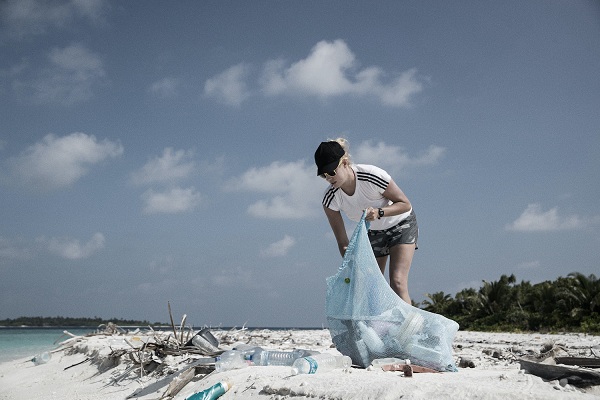
Adidas recently announced plans to incorporate more sustainable materials in its gear by the end of 2021. Moving forward the brand’s apparels will be made with around 60 per cent materials including vegan alternatives to leather, more circular materials and ocean plastic. In 2020, the brand introduced apparels and footwear made with 71 per cent recycled polyester. Around 15 million pairs of shoes contain ocean plastic. The brand has a solid trade record of meeting sustainability targets with its sustainable apparel and gear. In 2022, it plans to make 17 million pairs of shoes with 7,000 tons of plastics collected last year with Parley for the Oceans.
Backpacks from alternative materials
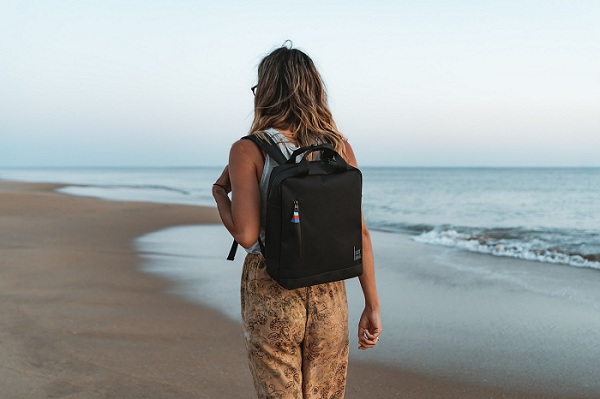
Nowadays, backpacks made with alternative materials are being introduced. For instance, German brand Got bag has introduced backpacks made with fishing nets. Priced at $99, these backpacks are perfect for commuting and travelling alike, says Mary Mazzoni, Senior Editor, 3p’s.
Fjällräven has also introduced the Tree-Kanken backpack. These 16-liter packs are sturdy. They are made with 90 per cent recycled water and eschew chemicals. The material used to make them is derived from spruce and pine trees in Sweden. The fibers used to make them are sourced from FSC-certified forests.
Buyback policy by denim brands
Many popular denim brands are deploying a blue jeans buyback policy. One of the most popular policies involves bringing in an old pair, and gaining a voucher to buy a new pair. Levi’s, Ariat, and Pacsun have introduced this policy. Through such programs, fashion companies aim to develop a strong brand loyalty besides showing they can have a sustainable apparel program
Partnerships can also help fashion brands take on the sustainable apparel challenge. Madewell, long a pioneer with jeans buyback program, has teamed up with online consignment and thrift shop ThredUP, to collect one million pairs of jeans, which otherwise could end up at the local landfill or incinerator, by 2023.
Gen Z drives the surge in thrifting
The sustainable apparel trend could also push the resale market to $80 billion by 2029, says a recent ThreadUp report. The market is being driven by Gen Z shoppers, adds a NPR report. The 1997-ish and later crowd is diverting their investments to sustainable materials. The fashion industry is also responding to these efforts us as evident from the popularity of apps such as Depop, on which Etsy plunked $1.6 billion to acquire earlier this year.
Use of recycled emissions in sports apparels
This summer, Lululemon announced plans to partner LanzaTech to develop yarn and textiles made out of recycled carbon emissions. This will help the company capture carbon from various feedstock, including synthetic gas, industrial emissions from industries such as steel, agricultural byproducts and household waste. The company has developed certain microorganisms that transform these carbon molecules into ethanol and other base ingredients that will eventually become fabric.
Focus on regenerative agriculture by Timberland
An early adopter of sustainability in apparels, Timberland alongwith its parent company VF Corporation has launched the first regenerative rubber supply system in the apparel industry. Aimed at bringing more clarity to the role of organic practices in regenerative agriculture, the new initiative will provide consumers an opportunity to contribute to a more sustainable supply chain.
A part and parcel of Timberland’s goal of sourcing 100 per cent of its natural materials from regenerative agriculture by 2030, the initiative will provide Timberland with significant leverage over the extent to which organic and regenerative farming can become similar.