FW
Swedish tech pioneer Coloreelfiles for bankruptcy
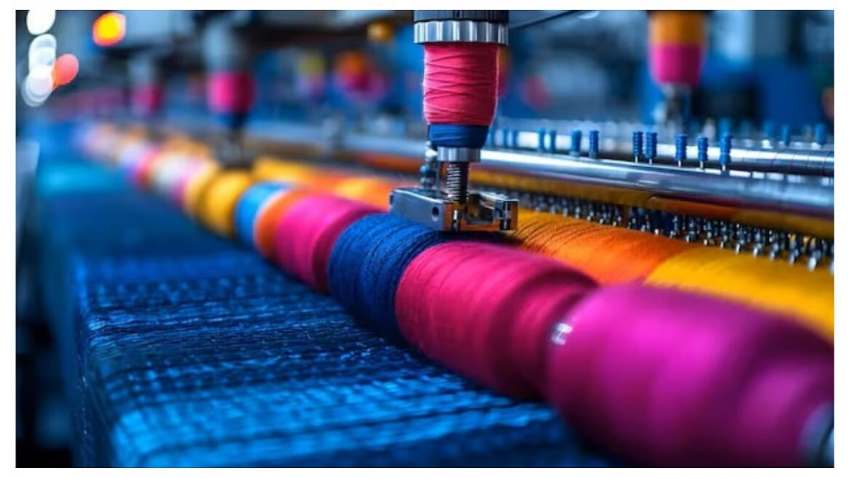
Coloreel Group AB, a Swedish technology leader in instant thread dyeing, announced its bankruptcy filing today. The company cited an inability to scale its business rapidly and secure necessary financing despite extensive discussions with investors and industrial partners.
Coloreel has revolutionized the textile industry with its sustainable, efficient thread dyeing process, boasting over 90 global customers, including many well-known brands. The company's innovative technology is protected by over 120 granted patents in 45 markets.
Chairman Anders Persson expressed deep regret over the bankruptcy decision, emphasizing the relentless efforts made to grow the business, reduce operational costs, and secure additional funding. He acknowledged the hard work the team put into introducing groundbreaking technology to the global textile market. Despite their efforts, the challenges were too great to overcome. Persson conveyed pride in their achievements and gratitude for the support received from partners, customers, and investors.
This development marks a significant setback for the textile industry, which had been keenly watching Coloreel's progress and its potential to bring innovative changes to traditional dyeing methods.
Pure London x JATC debuts: New designers, fresh collections
Pure London x JATC is set to dazzle fashion enthusiasts this year with a dynamic lineup of first-time exhibitors showcasing an array of innovative and stylish collections. The festival promises a fresh perspective with several exciting new brands making their debut.
Among the newcomers, Bohemia Design will introduce their handcrafted, boho-chic collections, featuring artisanal products from Morocco, India, Kenya, and Turkey, including unique baskets, footwear, and jewelry. Crush Leather Goods will debut their ethically crafted leather accessories in soft, luxurious tones. The Beauty destination welcomes Kai Beauty's vegan makeup cases and brushes, along with Hamdah London’s sustainable artisan fragrances.
In the Accessories zone, Qinkimo will present their colorful, hand-drawn kimonos made from biodegradable fabrics, perfect for any occasion. Becca& Cole will offer minimalist, versatile staples, while CSix adds premium fitness wear to the mix. Timi of Sweden joins with vibrant, playful jewelry, and Maruti Footwear brings their signature animal print designs. Ibiza Stones will showcase their vintage t-shirts with rhinestone embellishments.
The Sustainable destination features AksharaDevyani’s eco-friendly swimwear and accessories, and UP Clothing’s 100 per cent sustainable fitness wear. In Womenswear, Danish brand Americandreams presents cozy knitwear, and Matilda London offers elegant office and evening wear. Naylab.Official showcases hand-woven silk pieces, while French brands Le Temps des Cerises and OsannaCreazione reveal their latest trends.
From Singapore’s MOV to Greece’s Tassos Mitropoulos and the USA’s APNY, international flair adds to the event’s diversity. Maltese label Blakkript and Nigerian brand Jane’s Fashion contribute unique prints and culturally rich designs. Bridie & Bert will complete the festival with beach-ready cover-ups and swimwear.
Gloria Sandrucci, Event Director, expressed excitement about spotlighting numerous fresh voices in fashion this year, emphasizing the creativity and innovation they bring to Pure London x JATC.
Denmark eases rules for Copenhagen Fashion Week models
Starting June 1, 2024, international models from non-Schengen countries no longer need work permits to participate in Copenhagen Fashion Week for short durations. This change addresses long-standing challenges faced by brands and model agencies due to the previous requirement, which involved processing times of up to four months.
The new executive order allows foreign models to work in Denmark for up to three separate periods, each lasting up to three days, within 180days span without a work permit. Models must work with companies hosting significant international fashion events and must legally enter Denmark, either from visa-free countries or with a proper visa.
This adjustment is expected to have a positive impact on the upcoming Copenhagen Fashion Week SS25, enabling casting agents and brands to book international models more easily for castings and runway shows. Previously, many models were turned away at passport control due to the stringent permit requirements, causing significant disruptions.
Thomas Klausen, CEO of Dansk Fashion & Textile and chairperson of the Copenhagen Fashion Week board, welcomed the new rules. He noted that Copenhagen Fashion Week is a key international event and that the previous regulations were a significant obstacle. The relaxation of these rules will now enable better international representation and help achieve the event's ambitious goals.
This amendment is the result of years of advocacy by Dansk Fashion & Textile to enhance the participation of international models in Denmark’s premier fashion event.
Italian Textile Machinery poised for green transition challenges
At the General Assembly of ACIMIT, the Italian Textile Machinery Manufacturers Association, held in Milan on July 9, industry leaders emphasized the importance of innovation despite a challenging global landscape.
ACIMIT President Marco Salvade presented concerning figures: in 2023, production and exports of Italian textile machinery fell by 16 per cent, totaling 2.3 billion euros and 2 billion euros, respectively.
Key markets such as China, Turkey, India, and the US saw weakened demand last year, though the first quarter of 2024 has shown some recovery, particularly from China, Egypt, Pakistan, Brazil, and Japan.
Despite ongoing geopolitical and economic uncertainties, Italy's textile machinery sector remains a global leader, alongside China, Germany, and Japan. Salvade stressed that maintaining innovation is crucial, especially in supporting the textile sector's shift towards sustainability.
The assembly also highlighted the European green transition and the increasing importance of textile recycling. EU legislation aims to advance the sector’s green and circular transformation through ecodesign, waste management, and enhanced recycling processes.
With growing demand for recycled fibers, Italian textile machinery companies are poised to leverage their expertise and increase R&D efforts. Salvade underscored that these advancements not only address sustainability but also present opportunities for technological growth and competitive advantage.
Natural materials take centerstage at NYC Functional Fabric Fair
Textile industry leaders gather to discuss how natural materials are pushing the boundaries of performance and sustainability.
With a growing focus on eco-friendly products, a panel discussion hosted by Formidable Media will delve into the exciting world of natural textiles. Scheduled for July 16th, the event will explore how innovative biomass-based materials are not only complementing established options like wool and down, but also exceeding the performance of synthetic alternatives.
Scott Kaier, President of Formidable Media, notes that brands have long faced challenges in balancing sustainability with performance. Historically, choosing eco-friendly options often meant compromising on quality. The upcoming panel will highlight how advancements in natural materials are now surpassing synthetic alternatives, demonstrating significant progress in both sustainability and performance.
The discussion will feature insights from sustainability and textile innovation leaders across the outdoor apparel, fashion, and lifestyle industries. Panelists include Matthew Betcher (Allied Feather + Down), Monica Ebert (Woolmark), Sharon Perez (Lenzing Group), and Chad Kelly (eVent Fabrics).
Together, they'll explore the opportunities and challenges associated with integrating natural materials into supply chains. Attendees can expect a deep dive into the latest advancements and best practices that are shaping the future of responsible sourcing and manufacturing in the textile sector.
This panel is a must-attend event for anyone interested in the future of sustainable textiles. It promises to provide valuable insights into how natural materials are revolutionizing the industry and paving the way for a more eco-conscious future.
Premiere Visions gears up to counter declining attendance
Undergoing a strategic transition under new head Florence Rousson, Première Vision (PV) aims to counter declining attendance and adapt to market challenges.
In the most recent edition, Premiere Vision, held from July 02-04, 2024 in Paris, 8,000 companies from 115 countries reviewed developments from 930 exhibitors. The show faced challenges due to travel disruptions ahead of the Olympics and broader socioeconomic concerns. Rousson, who took over as chair in March, continues to introduce new services like The Cube, an appointment-only service, and a matchmaking program, to connect brands and exhibitors.
Led by Ariane Bigot, Associate Fashion Director, the Cube, facilitated brand sourcing for luxury labels. The service was used by brands like Kenzo, Ferragamo, and Louis Vuitton. The matchmaking program enabled 1,900 meetings, and a €2million hosting program supported by 250 buyers with travel and accommodations.
Despite efforts, attendance remained below pre-pandemic levels, and exhibitors like Piacenza 1733 and LanificioF.lliCerruti opted for smaller shows like Paris Preco. Exhibitors and attendees suggest PV should focus more on innovation, curate sections by price point or quality, and clarify the roles of its regional editions.
Designer Feng Chen Wang, searching for textiles for her fall 2025 collection, found promising innovations in natural materials and lighter wool blends. She appreciated the smaller fair size for easier navigation and noted suppliers' increased willingness to work with smaller houses on order sizes.
PV's partnership with the International Festival of Fashion, Photography, and Fashion Accessories in Hyères will end this year, but Rousson plans to continue supporting young designers through collaborations with fashion schools like Paris’ InstitutFrançais de la Mode and Milan’s IstitutoEuropeo di Design. Roussonemphasised the need for a new model that adds value while preserving PV’s core principles.
Egypt’s RMG exports to grow to $3 billion by 2024
Egypt’s readymade garments exports are likely to grow to $3 billion by the end of 2024. As per projections by the Readymade Garment Export Council, this ambitious target will be supported by continuous efforts to enhance production capabilities, improve product quality, and expand market reach.
According to Marie Louis, Head, Readymade Garment Export Council, exports from the clothing sector amounted to approximately $1.08 billion during this period, compared to about $912 million in the same period last year. This marks a substantial year-on-year increase of 19 per cent.
Egypt’s RMG exports to the European Union countries increased by 25 per cent to $254 million from January to May 2024. This growth underscores the strong demand for Egyptian textiles in Europe and the competitive edge of Egyptian manufacturers in this market.
Exports to the United States rose by 10 percent, totaling $444 million during the same period. The steady growth in the US market highlights the sustained appeal and reliability of Egyptian ready-made garments among American consumers.
Export revenue from the Arab countries grew by 38 per cent to $217 million during this period. Within this category, exports to Saudi Arabia surged by a staggering 74 per cent to $64 million. This significant increase reflects the strengthening trade relations and rising demand for Egyptian clothing in the Gulf region.
Several strategic initiatives contributed to this growth trajectory. These include government policies aimed at boosting the textile sector, investments in modernising manufacturing facilities, and efforts to open new markets through trade agreements and promotional activities.
The textile industry is a cornerstone of Egypt's economy, providing employment and driving economic growth. The recent increase in exports not only reflects the sector's resilience but also its capacity to compete on a global scale.
Tendam expands retail footprint in Europe and North Africa
Fashion retailer Tendam has bolstered its presence in Europe and North Africa with the launch of three new Women’secret stores and two Springfield outlets in Georgia, Armenia, and Tunisia.
Women’secret, specializing in lingerie and homewear, opened its fourth store in Georgia at Tbilisi Mall. It also inaugurated boutiques in Yerevan's Megamall Armenia and on Habib Bourguiba Avenue in Nabeul, Tunisia, bringing its total to three stores in Armenia and six in Tunisia.
Springfield, a Madrid-based fashion brand, strengthened its foothold with a new store in Tunisia’s Mall of Sfax, increasing its total to six in the country. Additionally, Springfield opened its second Armenian store in Megamall Armenia.
This expansion aligns with Tendam's global strategy, following recent openings in Guatemala, Iraq, and other European, African, and Middle Eastern locations for its sports brand.
By the end of 2023, Women'secret boasted 692 stores in 63 countries, while Springfield had 720 stores in 56 countries.
The Future of Shopping: Bricks, clicks, and beyond, Forrester Report unveils retail's growth path

Forrester, a leading research firm, has released a report outlining the future of retail, revealing a dynamic landscape driven by both physical stores and online channels. The report, ‘Global Retail E-Commerce Forecast, 2024 To 2028,’ predicts significant growth in both sectors, with strategic considerations for retailers to navigate this evolving environment.
The rise of retail's powerhouses, online and offline
The report predicts a healthy rise in both online and offline sales. Brick-and-mortar stores, far from being relics of the past, are expected to see sales reach $4.2 trillion by 2028 in the US alone. This endurance is attributed to the unique advantages physical stores offer: the ability to touch and feel products, experience them firsthand, and receive personalized service.
However, the digital realm isn't going anywhere. Global online retail sales are projected to hit a staggering $6.8 trillion by 2028, with a projected annual growth rate of 8.9 per cent. This growth is being pushed by the rise of online marketplaces, social commerce platforms like livestream shopping, and the increasing popularity of direct-to-consumer brands.
Click-and-collect, the bridge between physical and digital
Forrester identifies a growing trend in click-and-collect purchases, where customers buy online and pick up in-store. This strategy leverages the strengths of both channels – the convenience of online browsing and the immediacy of physical product collection. The report estimates that click-and-collect sales in the US will double by 2028, reaching a significant $200 billion. This trend underscores the importance of seamless integration between online and offline retail experiences.
The fashion and apparel industry presents a fascinating case study within this evolving retail landscape. While online sales are undoubtedly growing, physical stores remain crucial for fashion brands. The ability to try on clothes, assess the quality of materials, and receive personalized advice from sales staff are all factors that continue to draw customers to physical locations.
Here's a closer look at the trends that will shape fashion retail:
Experience-driven shopping: Physical stores can create a more engaging experience by offering in-store stylists, personalized recommendations, and interactive displays.
Sustainability: Consumers are increasingly concerned about the environmental impact of their clothing choices. Retailers who prioritize sustainable practices and ethical sourcing will attract a loyal customer base.
Livestream shopping: This engaging online format allows viewers to interact with influencers and brands in real-time, driving impulse purchases.
However, fashion retailers must adapt to changing consumer preferences. Here's where the strategic drivers come into play:
Omnichannel strategy: Fashion brands need to create a seamless shopping experience across all channels – online stores, mobile apps, and physical stores.
Social commerce: Social media platforms like Instagram and TikTok are powerful tools for fashion brands. Leveraging these platforms for product promotion, influencer marketing, and even live-streamed shopping events can be a significant growth driver.
Data-driven personalization: Understanding customer preferences through data analysis allows fashion brands to personalize their offerings and recommendations across all channels.
The Forrester report highlights the importance of considering regional variations in e-commerce maturity and growth opportunities. Developed economies like the US and South Korea are ahead of the curve, while emerging markets in Asia Pacific and Latin America are catching up rapidly, driven by smartphone adoption and mobile commerce.
The future of retail is not about online versus offline, but rather about creating a seamless and personalized shopping experience that caters to the evolving needs of consumers. Retailers who can adapt to these trends and leverage the strengths of both physical and digital channels will be best positioned to thrive in the years to come.
Andrea Baldotakes over as Mulberry’s new CEO
Mulberry has appointed Andrea Baldo as its new chief executive officer, effective immediately. He will replace Thierry Andretta, who is stepping down from his role.
Baldo brings over 20 years of experience with leading brands in the fashion industry. Most recently, as CEO and executive director of Ganni, he spearheaded the company's international growth by focusing on retail network development, product innovation, and enhancing brand identity to boost customer engagement.
Before his tenure at Ganni, Baldo held pivotal roles at Coccinelle from 2016-2018 and Marni Group from 2013-2016. In these positions, he successfully redefined strategic priorities, leading to significant improvements in sales and profitability.
Additionally, Baldo was also employed as CEO of the US business for Diesel for over 10 years.
Expressing his confidence in Baldo’scapabilitis, Chris Roberts, Chairman, says, Andrea's international fashion brand expertise, creativity, and strategic thinking made him the ideal candidate for this role.