


FW
Pure London x JATC unveils Australian Brands in UK Fashion Festival
The inaugural Pure London x JATC show, a fusion of fashion prowess slated for Olympia London from February 11-13, 2024, is gearing up to introduce a plethora of Australian brands to the discerning UK market. Positioned as an international showcase, this event not only caters to the UK market but extends its reach globally, serving as a gateway for brands, especially those from Australia, to tap into the European market. With the promise of exposure to a diverse audience and the chance to forge connections with key players in the fashion industry, the event stands as a pivotal platform for both new and established brands.
Gloria Sandrucci, Pure London Event Director, expresses enthusiasm about the diverse Australian brands participating, hinting at more additions in the weeks to come. Among the standout entries is The Brave + True, a beloved Australian womenswear brand, showcasing confidence in the UK market with its signature blend of feminine pieces, modern silhouettes, and a contemporary color palette.
In the Sustainable Destination section, Sabine Studios challenges fashion norms with a limited, ethically made collection, embodying a style that seamlessly blends masculinity and femininity. SOEK adds a touch of playfulness to ethical sourcing with its high-quality, fun sunglasses, while Talisman, The Kindred Co, and Esperence & Co bring their unique design perspectives to round out the captivating array of brands set to captivate visitors at Pure London x JATC, The London Festival of Fashion, from February 11-13, 2024, at Olympia London.
Government to extend cotton pilot project beyond March 2024
Following a 25 per cent surge in cotton production across 10 states, the government plans to extend its successful pilot project beyond March 2024. Launched in April 2023, the project's success is attributed to the government's adoption of best agronomy practices, quality seeds, and high-density planting systems, with evaluation by the Indian Council of Agricultural Research (ICAR).
The pilot project, spanning Uttar Pradesh, Haryana, Punjab, Rajasthan, Madhya Pradesh, Gujarat, Maharashtra, Tamil Nadu, Andhra Pradesh, and Karnataka, contributed to a 5.7 per cent increase in cotton exports during April-October 2023. Commerce Ministry data indicates exports of cotton fabrics, yarns, and handloom products in these states reached $6,877 million, up from $6,509.51 million last year. September's textile production saw a 3.7 percent year-on-year growth according to Index of Industrial Production (IIP) data.
Kulin Lalbhai, Chairman, CII National Committee on Textiles and Apparel, foresees rising demand for textile products as brands adjust inventories and normalize buying patterns. Despite an overall decline in India's textile production, with annual cotton production expected to drop from 37 million bales in 2017-18 to 31.8 million bales in the ongoing fiscal year, as per the Cotton Association of India, the Textile Ministry aims to boost exports. The ministry targets increasing technical textile exports from $2.5 billion to $10 billion in the next five years, notes Anand Ramanathan, Partner at Deloitte India. In pursuit of overall export growth, India actively engages in free trade agreements, boasting 13 agreements with countries including Japan, South Korea, ASEAN nations, and SAARC members.
Rieter expands global repair network, Tashkent station enhances efficiency, competitiveness
Launched on December 1, 2023, Rieter's inaugural Repair Services station in Tashkent, Uzbekistan, is set to enhance repair efficiency and reduce production downtime, bolstering the brand's competitiveness in the flourishing market. Operated in collaboration with Textile Service Solutions, the station offers cutting-edge mechanical and electronic repairs for all Rieter machine types, including spinning and winding. Stocking essential parts in its warehouse, such as control units, sensors, and drives, the repair station aims to expedite turnaround times.
As part of Rieter's global Repair Services network, featuring 25 stations in 19 countries, each facility is fully equipped with testing and calibration tools. Certified Rieter repair services engineers conduct both on-site and in-workshop repairs, utilizing original Rieter repair components and spare parts. Rico Randegger, Head of Business Group at Rieter, emphasizes that the new repair station, specializing in both spinning and winding machines, contributes to creating sustainable and profitable value for customers.
Global kid’s wear market fueled by demand for sustainable, comfortable attire
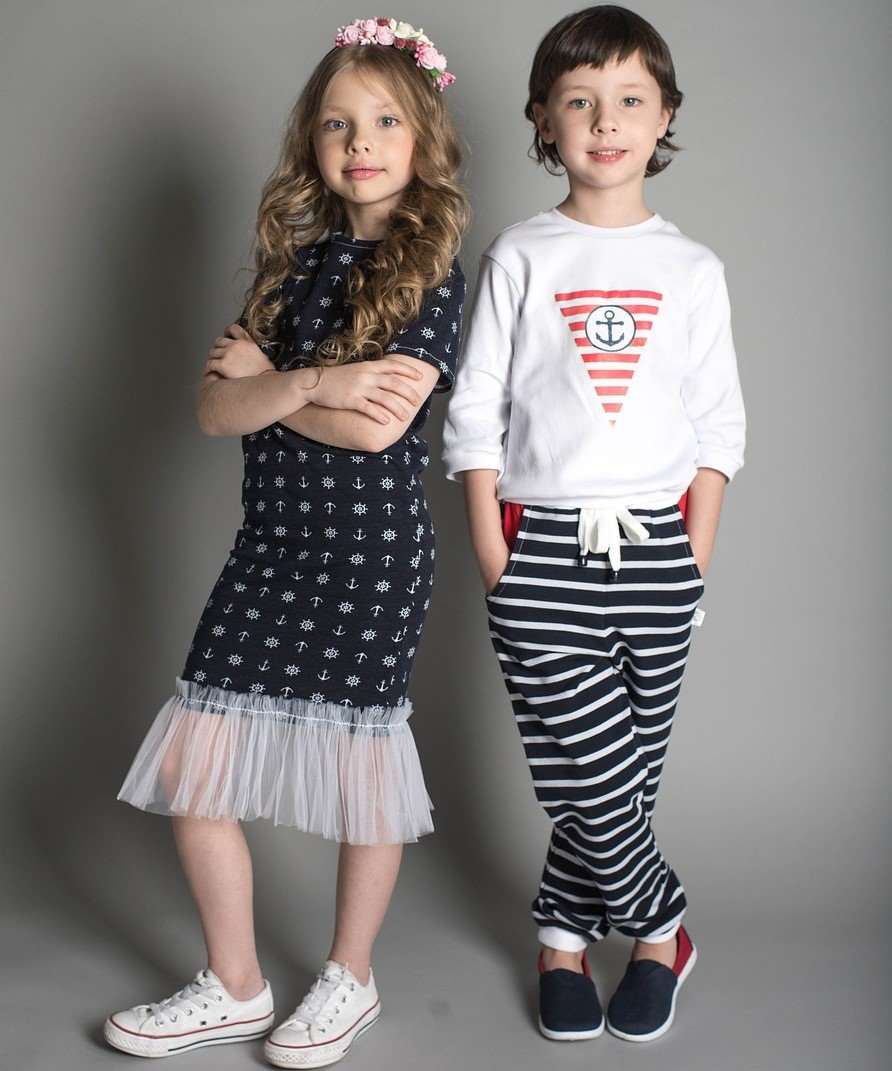
The primary focus when purchasing children’s clothing is on ensuring safety, comfort, and ease of wear. These factors constitute the core value proposition in the global market for kids' wear. Despite the evolution of trends in kid’s apparel sector, cotton remains a fundamental and enduring choice as the staple fiber, catering to the sensitivity of children's delicate skin.
The market is experiencing substantial growth propelled by the demand for sustainable and ethically produced textiles that align with environmental concerns. Additionally, the surge in popularity of gender-neutral unisex clothing and heightened brand awareness among young children, driven by the widespread influence of social media, are key factors contributing to market dynamics.
Market expected to touch $286.9 billion by 2032
The recent ‘Kid’s wear Market’ report from Allied Market Research reveals, global kid’s wear market valued at $194.1 billion in 2022 is projected to reach $286.9 billion by 2032, reflecting a 4.1 per cent Compound Annual Growth Rate (CAGR) from 2023 to 2032. This growth is attributed to factors such as increased discretionary spending, international expansion opportunities, and the expanding reach of online retail fueled by social media.
Brands are responding to these trends by diversifying their offerings, providing a broader range of colors, styles, and designs suitable for all age groups. Kid's wear is witnessing a surge in popularity for garments with stretchable fabrics and adjustable features, emphasizing durability and practicality.
The product landscape is highly versatile, encompassing outerwear like coats, jackets, dresses, tops, et al, as well as bottom wear such as skirts, jeans, trousers, shorts, and leggings. The thriving segment of character licensing and the growing preference for unisex clothing in the fast fashion sector cater to parents seeking budget-friendly options, especially considering how quickly children outgrow their clothes.
In 2022, the boys' segment dominated the market, accounting for over half of the total revenue. Trendy streetwear and simplistic graphic tees are particularly popular among both young teens and smaller children.
As for distribution channels, the report highlights supermarkets and hypermarkets held the largest market share in 2022, contributing to over two-fifths of the market revenue. This dominance is attributed to their support for numerous private label manufacturers and collaborations with popular children's clothing brands.
Indian kids wear driven by infants, toddlers' demand
WGSN, a prominent group guiding offering understanding of consumer needs and shaping future strategies, recently came up with a report on premium kids' stores worldwide, from London to Tokyo. It highlighted, the spectrum of kid’s wear retail market is diverse, encompassing fast-fashion high-street brands to exclusive, high-end labels that make bold fashion statements.
In Korea, the market landscape extends from upscale retail in Gangnam to independent boutiques in Hannam and Seongsu, along with conventional department stores like Namdaemun Market. London showcases a mix of popular high-street names such as Selfridge’s Kid’s wear Collective, niche independent labels like Caramel and Pepa London, and thrift options like Tot Swap Shop and FARA Kids. Interestingly, the pre-loved segment thrives more in kids' fashion, fueled by the fact that children tend to outgrow their clothes within a year or so.
The US boasts of a diverse array of brands spanning various income brackets and lifestyles. Standout outlets include Ralph Lauren Kids, Camp NYC, Shoppe Balloo NY, and Kith Kids & Baby, among many others.
The Indian kid’s wear market has witnessed significant growth, primarily due to the surge in e-commerce. While the unorganized sector commands over 60 per cent of the segment, both the organized sector and the online kids-wear market are poised for rapid expansion. This dynamic sector holds immense potential, particularly among the aspirational middle classes.
The Indian market is significantly driven by demand for infants and toddlers due to a high birthrate compared to Western countries, is set for continued growth. The vast Asia-Pacific region, experiencing rapid urbanization in numerous small countries, secured the highest market share in 2022, contributing to over two-fifths of the overall kid's wear market revenue. Optimistic analysts in India anticipate this trend will persist over the next decade.
ARC 2023 triumph: Beyond chemical recycling success
The Advanced Recycling Conference (ARC) has emerged as a global leader in recycling innovation, experiencing a remarkable 30% increase in participation, totaling nearly 300 attendees from 26 countries within just one year. Hosted in Cologne, Germany, on November 28-29, 2023, the conference set records in attendance, presentations, posters, and exhibitors, signaling a growing interest in advanced recycling technologies globally. The overwhelming response underscores the industrial community's commitment to sustainability and the urgency for supportive policies amidst rising recycling quotas.
Addressing diverse waste streams, from plastics to textiles, the conference showcased cutting-edge solutions, delving beyond chemical recycling into thermochemical approaches, extruders, and pre- and post-treatment methods. Insightful sessions on "Markets and Policy" and "LCA" informed attendees on sustainability aspects, crucial for meeting ambitious recycling quotas.
The event featured Lars Krause presenting the nova-Institute's latest study on global advanced recycling capacities, highlighting Europe's leading role in chemical recycling. Despite impressive progress, challenges lie ahead, emphasizing the pivotal role of political decision-makers in fostering growth and addressing inadequate framework conditions.
The conference also promoted dialogue between physical and chemical recycling, acknowledging the need for a cohesive approach in closed and open recycling loops. The event left participants motivated to explore new recycling solutions, securing a sustainable future. Looking ahead, the ARC will continue its evolution, with the next edition scheduled for November 20-21, 2024, in Cologne, Germany, and online. The support of sponsors and media partners, including DePoly, Erema Group, and YNCORIS, ensures the conference's positive trajectory, with a commitment to ongoing improvement based on participant and speaker feedback.
RSWM Limited bolsters market leadership with Ginni Filaments acquisition
RSWM Limited, a subsidiary of LNJ Bhilwara Group, has solidified its market standing by signing a binding term sheet to acquire Ginni Filaments Limited's spinning, knitting, and processing unit in Mathura. Valued at Rs 160 crore, the acquisition is anticipated to be finalized within 90 days, contingent on approvals and definitive document execution.
This strategic move is poised to elevate RSWM Limited's market presence, fostering growth in turnover, workforce, and plant capacity. Positioned as a front-runner in the spinning and knit fabric sector, the acquisition is set to fortify RSWM Limited's production capabilities, with plans for modernization and technological advancements. B M Sharma, Joint Managing Director, underscored the significance of expanding reach and solidifying a pivotal role in the sector.
The acquisition aligns with RSWM Limited's commitment to innovation, as it plans substantial investments in state-of-the-art machinery, including the latest compact ring frames and advanced carding and comber machines. This infusion of technology aims to elevate recoveries, productivities, and product diversity.
Riju Jhunjhunwala, Chairman & Managing Director, and CEO of RSWM Limited, expressed enthusiasm for the expansion beyond Rajasthan, anticipating a surge in turnover by targeting new global customers. The strategic investment in sustainable practices and operational efficiency underscores RSWM Limited's commitment to eco-friendly production.
In conclusion, the acquisition of Ginni Filaments Limited's operations positions RSWM Limited as a dominant force in the spinning and knit fabric sector, ready to thrive in both domestic and international markets. The company's foresighted approach to modernization and expansion solidifies its trajectory for success.
Christmas holiday season in West drives India’s textile exports
Driven by the approaching Christmas holiday season, India's textile exports are on the rise, buoyed by increasing demand from Western markets. Following the successful clearance of excess inventory, the country's textile production and export activities are rebounding after a year of contraction. In September, textile exports recorded their third consecutive month of growth, with production growing 3.7 per cent year-on-year, as per data released by the Index of Industrial Production (IIP).
Sanjay Jain, Chairman of the National Expert Committee at the Indian Chamber of Commerce, envisions a robust revival, suggesting that India's textile exports may experience a surge of 8 to 10 per cent in the fiscal year 2024. Statistics from the Ministry of Commerce and Industry indicate a substantial 5.7 per cent increase in India's exports of cotton, fabric, yarn, and handloom products during the April-October period compared to the preceding April-August timeframe.
Despite these positive trends, the industry has yet to attain pre-COVID production levels, with data from the Ministry of Statistics and Program Implementation (MOSPI) revealing a 6.5 per cent shortfall compared to the 2019-20 period.
Sunil Kumar Sinha, Principal Economist at Ind-Ra, emphasizes the significance of global trade conditions for the long-term recovery of India's textile production and exports.
Fashion maestro Dapper Dan unveils exclusive collaboration with Gap
Fashion visionary Dapper Dan has unveiled a new collaborative collection with Gap, paying homage to the vibrant Harlem community. The extensive collection boasts 18 distinct garments available in both kids and adult sizes. Included are eye-catching graphic logo hoodies emblazoned with 'Harlem' and the Dap logo, complemented by matching logo sweatpants in a stylish houndstooth print. Additionally, the lineup features accessories such as tote bags with chic clutch inserts, baseball hats, socks, and a signature logo ascot.
The collection caters to a wide audience, from toddler sizes 2T to adult XXXL. Fashion enthusiasts can anticipate the launch on gap.com scheduled for December 5. The collection will also be stocked in 13 Gap stores worldwide.
This collaboration marks the continuation of Gap's partnership with Dapper Dan, which commenced in 2022 with the retailer's spring campaign. In a previous limited-edition release, Gap featured a logo hoodie adorned with the words "Dap Gap." Additionally, the brand ventured into the world of NFTs, auctioning exclusive digital assets designed in tandem with Dapper Dan. The NFT collection boasted a one-of-a-kind digital varsity jacket crafted by the visionary designer, accompanied by a special-edition physical version personally signed by Dapper Dan himself.
Texworld NYC to expand ‘Local Sourcing Zone in upcoming January edition
Texworld NYC, a leading textile and apparel industry show, is set to expand its 'Local Sourcing' zone in January to meet the increasing demand for innovative and reliable sourcing options across the US. In collaboration with SEAMS, the premier association for US sewn products over the last 50 years, Texworld NYC aims to strengthen the American supply chain. SEAMS, representing 200 of America's top fashion brands, retailers, manufacturers, and textile providers, plays a pivotal role in driving the 'Made in America' label.
The Local Sourcing segment, a crucial area for Texworld NYC attendees, offers domestic resources to visitors. Its expansion, coupled with the partnership with SEAMS, creates a platform for exhibitors and attendees alike.
Ron Roach, President of SEAMS, emphasizes that the collaboration presents a united front for the industry, providing opportunities for exploration in the education sector and engaging in vital discussions with SEAMS industry leaders.
The synergy between Texworld NYC and SEAMS will not only showcase the best of American production but also facilitate meaningful dialogue, notes Jennifer Bacon, Vice President of Fashion and Apparel at Messe Frankfurt Inc.
Take a practical approach to apparel prices, China’s customers advised
An article in China’s People's Daily Online says consumers should adopt a more pragmatic approach when it comes to clothing prices in the country. The advice is to focus on purchasing reliable products with a longer lifespan.
As per National Bureau of Statistics stats, China's clothing and garment sales experienced a year-on-year growth of 12.8 per cent, reaching 725.7 billion yuan in the first nine months of the fiscal year. Production of down jackets is flourishing, as indicated by information from the China Feather and Down Industrial Association. Chinese consumers are increasingly favoring locally designed products with functional fabrics, leading to a surge in sales of domestically manufactured down jackets.
Skypeople, an emerging Chinese brand, is raising prices on most of its winter apparel products. Currently, the brand charges between 2,800 yuan and 7,000 yuan for its high-end products in China, almost ten times the price of other apparel in the country.
Despite this, some local customers believe the expansive Chinese market accommodates brands with various pricing levels to coexist simultaneously. This allows consumers the freedom to choose between basic and moderately priced jackets and those targeting the premium class. Bosideng, China's largest down-clothing producer, is selling down jackets at a price exceeding 1,000 yuan. In the last six months leading up to September, Bosideng's flagship brand has seen a 25 per cent increase in sales and earnings, while its mid-priced brand, Snowflying, has recorded a significant growth of 52.5% in sales.











