FW
India changes HS codes
India has made some changes to the ITC HS codes. HS codes related to yarn, fiber, garments and some other goods have been amended. For instance the GI patented Lucknow chikan craft will be now referred to as embroidery. Changes have been made to the textile sector’s most important chapter 62, which covers cotton garments. Changes have also been made under HS codes 54 (polyester), 55 wood fiber (viscose), 56 manmade filaments, 58 cotton embroidery, 59 (geo-technical textile- knitted or woven) and 60 synthetic fibers.
The Harmonised Commodity Description and Coding System generally referred to as Harmonised System or simply HS is a multipurpose international product nomenclature developed by the World Customs Organisation (WCO). These are six-digit codes which cannot be altered unilaterally by any country. But the eight-digit code (after adding two digits at the end) can be changed. In India, the eight-digit codes known as ITC (HS) code/Indian Trade Classification/ Indian Tariff Code are developed and maintained by the Directorate General of Foreign Trade. The ITC (HS), 2022- Schedule-1 (Import policy) has been brought in sync with the Finance Act, 2022. The notification to introduce, delete, amend, split or merge ITC (HS) codes has come into effect immediately
Gap sales down 13 per cent this quarter
For the latest quarter, Gap’s net sales declined 13 per cent. The apparel maker’s share price has fallen 50 per cent this year as it struggles to win back shoppers. The retailer, which also owns the Banana Republic and Athleta brands, anticipates adjusted operating margin percentage to be zero to slightly negative in its second quarter. Gap expects margins to suffer partially because of increased promotions in the quarter, part of a more aggressive approach to balancing its merchandise offerings. The company expects net sales in the quarter to be down in the high single-digit range, which is relatively in-line with its prior expectations. It forecast a hit from transitory air freight expenses and inflationary costs on raw materials and freight. Gap missed analysts’ quarterly revenue and profit targets several times during the pandemic as it tried to find success in an apparel market reshaped by Covid-19 and fast fashion brands.
Gap is the latest in the retail sector to suffer from snarled supply chains and shifting consumer demand. US retailers are wrestling with the changing demands of post-pandemic American shoppers. In May, Target slashed its outlook for the quarter because of excess inventories and announced plans to implement markdowns and cancel orders.
Burberry closes Hong Kong flagship
British luxury fashion brand Burberry is closing its flagship store in Hong Kongb ecause of strict Covid restrictions customers have been unable or unwilling to come to the store for purchases. Canton Road in Hong Kong is considered a hub for luxury brands and is home to the Harbour City shopping mall. It was a bustling destination for tourists who visited the Mainland before the pandemic led to closures, quarantines and shutdowns across the nation and around its borders.
Iconic plaid-patterned retailer Burberry opened its Canton Road flagship in 2011. The closure leaves Burberry with ten stores across Hong Kong. Other brands like Valentino, Tiffany & Co and Coach have also shut stores because of a lack of tourists. Earlier this year, Hong Kong’s strict Covid-19 restrictions during the height of the spread of the omicron variant led to widespread retail and restaurant closures.
In January, during Men’s Fashion Week in France, Burberry’s higher quality business saw its full-price sales rise 26 per cent in the quarter versus comparable 2019 levels, while its total same-store sales slid three per cent as a result of its planned exit from markdowns at its stores and website.
Ghana gets aid from UK for textile sector
Ghana is receiving support from the UK to transform high-potential sectors, including garments and textiles. The UK-Ghana partnership for Jobs and Economic Transformation (JET) helps create the needed policy environment to drive investment into these sectors so that they can operate at their fullest potential, generate wealth and generate employment. Factories are being financed to enable them to return to their days of full operation and production. One such factory which is being helped on its feet now employs 750 workers instead of about 2,000 earlier.
In general Ghana is making efforts to recover after the Covid pandemic. This includes hiring an additional 38,000 nurses, waiving employee taxes and providing free water and electricity to millions of households. Several policies have been launched in the field of taxation. First, exemption of VAT on certain textile products is expected to increase the profits of business actors and expand their production. Second, reviewing reduction in import duty rates on all goods; the goal is that the policy of reducing import duty tariffs that are currently in effect can be more efficient and on target. Third, the reduction of the VAT rate on gold sales from unprocessed miners from three per cent to 1.5 per cent.
Gokaldas Exports faces challenges, expects better traction ahead
Gokaldas Exports encountered a challenging business environment in fiscal 2022. The Delta wave in the first quarter, Omicron wave in the early fourth quarter and logistics disruptions throughout the year were testing times. High raw material prices for both cotton and manmade fiber products, the war in Europe and inflation in key markets were additional headwinds. Going forward, the company anticipates that the free trade agreement (FTA) with the UK by year end and the FTA negotiations with Europe will present a good opportunity. With a diversified customer base, the company anticipates a higher growth of its non-top five accounts. With consumer getting back to work and socializing, Gokaldas sees woven products gaining traction.
Global garment retailers are asking Indian exporters to reduce apparel prices as cotton prices have dropped 16 per cent and the rupee has devalued against the dollar. If recessionary trend in key markets of US and Europe continues, there could be a reduction in apparel exports for spring 2023, which can negatively impact the order book of Indian apparel exporters. Meanwhile Indian exporters are trying to mitigate the impact as they look to tap new markets in Latin America, Australia, Japan and UAE.
American brand U.S, Polo Assn partners British beach polo event
U.S, Polo Assn. is the mew apparel partner for the British Beach Polo Championships. That means U.S. Polo Assn. outfits the polo players in custom jerseys, provides staff attire as well as branded caps for attendees, social media competitions, and global promotion of the event across various digital platforms.
U.S. Polo Assn. is the official brand of the United States Polo Association. British Beach Polo Championships, also known as Sandpolo, is the largest beach polo event in the world. A twist on traditional polo, Sandpolo is played with an oversized orange ball designed to be easily seen in the sand but still move at a high speed. British Beach Polo Championships is now in its 15th year. Sandpolo takes place on the shores of Sandbanks Beach, a prestigious destination known for its luxury properties and pristine sand.
The UK is one of U.S. Polo Assn.'s fastest growing markets and the brand partners with the British Beach Polo Championships to showcase a version of polo in a great destination. By aligning its growth strategy with Sandpolo, U.S. Polo Assn. takes the opportunity to expose new fans and global consumers through an amazing experience to the sport of polo and the authenticity of the U.S. Polo Assn. brand.
Big fashion brands continue to grow with new partnerships and collections
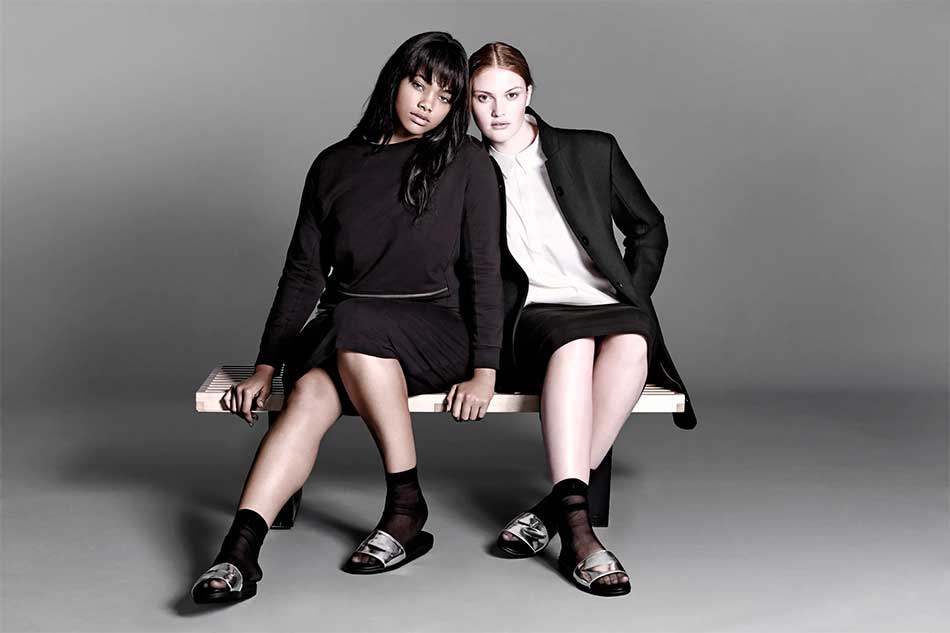
After last year’s record number of partnerships, the fashion industry is witnessing a few big partnerships this year as well. Some major partnerships are from design houses like Louis Vuitton, Gucci, Prada, Balenciaga, etc.
The first of these partnerships includes the collaboration of Kanye West and Gap’s Yeezy Gap with Demna Gvasalia, Creative Director, Balenciaga for the Yeezy Gap Engineered by Balenciaga collection. And as Woman’s Wear Daily report reveals, the first collection from the collaboration comprising eight styles was released in February 2022. The prices ranged from $120 to $440. Second collection from the collaboration was released this May.
Adidas and Prada unite for a Re-Nylon collection
Before Gap released its collection, Prada and Adidas united once again in January to launch Adidas for Prada Re-Nylon collection. It offered refurbished Adidas Originals Forum sneakers in high and low versions besides track jackets, tracksuits, sweaters, hoodies and bucket hats.
Balmain collaborates with Barbie
In January, Olivier Rousteng, Creative Director, Balmain also launched his design house’s collection in collaboration with Barbie. The 70-piece collection ranges from logo T-shirts to couture evening gowns. Made in shades of pink, the collection incorporates some of Balmain signature designs like sailor sweaters, tweeds, denim jackets and cocktail dresses. It also includes handbags designed like windowed cardboard boxes housing Barbie dolls.
Manolo Blahnik, Birkenstock merge designs
In March 2022, two iconic footwear brands, Manolo Blahnik and Birkenstock, teamed up to launch a capsule collection that merged both the brand’s design principles. Offering six garment pieces, the collection includes three styles of the Birkenstock Arizona sandal in velvet fuchsia and blue, as well as black leather, and three styles of the Birkenstock Boston clogs offered in the same color shades. Both styles are embellished with crystals on the buckle.
Burberry launches spring 2022 collection
In the same month Burberry launched its spring 2022 collection in collaboration with Supreme. Featuring trenchcoats, puffer jackets, denim trucker jackets, rugby shirts, hoodies, jeans, denim shorts, T-shirt, hats and skateboards, the collection blends Burberry’s signature plaid print with Supreme’s streetwear designs..
Disney, Givenchy team up
Mathew Williams, Creative Director, Givenchy teamed up with Disney for a collection titled ‘The Wonder Gallery,’ in May. The collection launched with a range of T-shirts and hooded long sleeve T-shirts featuring Disney’s iconic characters. A second collection will be launched this summer.
Fendace hits stores with two collection
Known as Fendace, the Versace and Fendi collaboration hit stores in May this year. The collaboration has launched two collections: Donatella Versace’s Fendi by Versace collection and Kim Jones’ Versace by Fendi collection.
The Fendace collaboration offers apparel, shoes and accessories that merge Versace’s iconic Baroque print and safety pins with Fendi’s signature “F” logo.
Adidas’ merges designs with Gucci’s color palette
This June, Gucci launched its Adidas x Gucci collection offering women’s and menswear pieces across apparel, shoes, accessories, jewellry and lifestyle pieces. The collection fuses Adidas’ three-stripe designs with Gucci’s classic red and green color palette. The collection is priced in the range from $235 to $4,200.
Louis Vuitton and Nike launch ‘Air Force 1’
Louis Vuitton teamed up with Nike in May to launch nine editions of its Air Force 1 sneakers collection. The brand also organized an exhibition for Abloh at Greenpoint Terminal Warehouse in New York City during May.
New collection under Farfetch Beat concept
Opening Ceremony and fashion designer Peter Do collaborated in June to launch their collection under its new concept Farfetch Beat. The collaboration offers three versions of Opening Ceremony’s signature varsity jacket, merging their classic designs with Do’s spacer material. The collection also includes an upcycled varsity jacket.
Bangladesh ready to cope to EU’s new sustainability decision
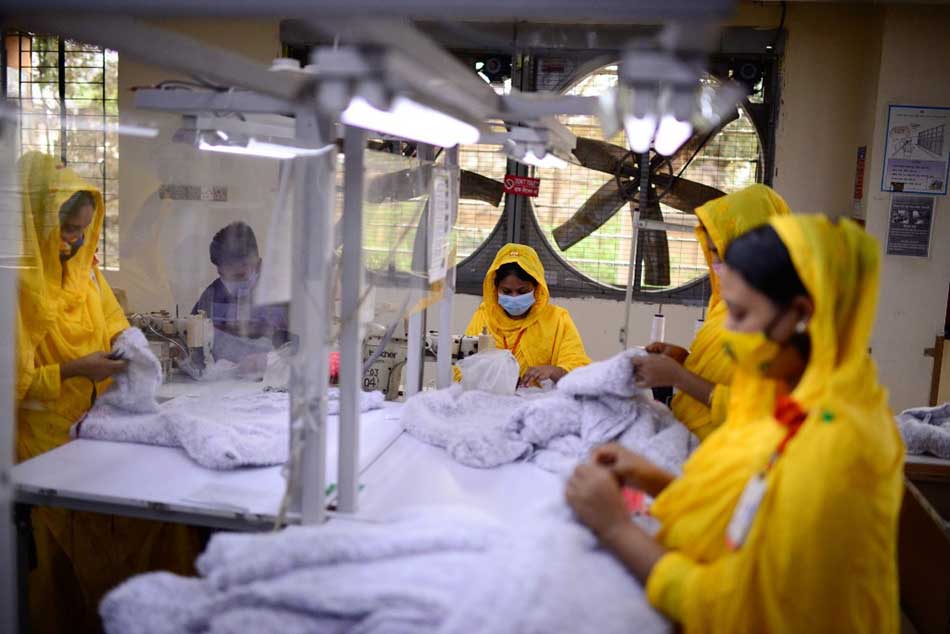
Apparel Industry experts in Bangladesh believe, the country is fully equipped to cope with the European Union’s recent decision end to fast fashion by 2030
The EU recently announced an expansion of its eco-design rules in textile products. The Union also urged big companies to disclose the volume of unsold inventory held by them.
The new rules mandate companies to refurbish their clothing designs to meet the prescribed criterion including disclosing of information on everything including the garment’s shell life to the amount of recycled yarns used to make it. The rules accord each of the reviewed garments with a digital product passport to check its recyclability and control greenwashing. They also prohibit destruction of unsold or returned goods
To ensure conformity, Bangladesh is collaborating with brands like H&M, M&S, G-Star and others. Ziaur Rahman, Regional Country Manager, H&M-Bangladesh, Pakistan and Africa says, the brand is supporting the European Commission’s efforts to establish a coordinated policy framework and a level playing field. However, it also supports the decisions of the local authorities and calls for collaboration between the two to enable the transformation of the entire industry, he adds.
Manufacturers maintain their stance
Bangladesh apparel manufacturers have also renewed their vision to keep pace with the new international strategies. The renewed vision was unveiled by the Bangladesh Garment Manufacturers and Exporters Association (BGMEA) on July 5. The renewed vision states, Bangladesh apparel exporters will reduce emissions of GHG by 30 per cent by 2030 and increase use of sustainable materials by at least 50 per cent besides reducing blue water footprint by 50 per cent
The sector also aims to reduce energy consumption by 30 per cent and use at least 20 per cent of renewable energy. Apparel manufacturers will invest $1 billion in sustainable communities besides ensuring complete sustainability in data reporting, increasing the number of green factories by 80 per cent production efficiency by 60 per cent.
Faruque Hassan, President, BGMEA, reveals, the association has been working in tandem with the European Commission and will emphasize on establishing a sustainable and circular economy. BGMEA is also working with P4G-funded Circular Fashion Partnership (CPF) initiative to achieve a long-term, scalable transition to a circular fashion, he adds.
Bangladesh leads the world in all aspects regarding sustainable factory and circular fashion, explains Mohiuddin Rubel, Director, BGMEA. The country has 163 LEED-certified green factories with 550 more in the pipeline, he adds. Now it is creating a situation that ensures no factory will survive without being sustainable.
UK trade show on Pure Origin begins on July 17
Connecting the fashion supply chain to buyers and designers, Pure Origin will run alongside UK’s leading fashion retail event, Pure London, July 17 to 19, 2022. From fiber to finished garment, Pure Origin’s focus is on sustainability this season, with dedicated pavilions from 20 countries showcasing raw materials, fabrics, trims and more. Leading brands from across the globe will bring their unique and diverse products for the UK fashion community to responsibly source all they need to inspire and create their next collections.
From raw materials, fabrics, trims, packaging, all the way through to contract manufacturers offering in house design services, Pure Origin brings the inspiration and tools together in one exciting destination to allow buyers and designers be inspired and then bring their own collections and ranges to life. From Peru to Nepal, India to the UAE, and Turkey to North Macedonia and back to the UK, Pure Origin brings diverse international manufacturers and unprecedented choice of fabrics together for the UK fashion community to responsibly source and create their next collections and best-selling ranges. Pure London is the UK’s leading trade fashion buying event, representing womenswear, footwear, accessories, jewelry and young fashion. It brings together the brightest minds and creatives in the industry twice a year to showcase the best of the season’s collections, discover the latest trends, exclusive business insight, and all-important international connections.
Nylon leggings a rage among women
The global leggings market is growing at six per cent a year.
The growth is driven by rapid urbanization, shifting consumer preferences, and increasing sports activities such as gyms and yoga. Leggings are used for both casual and athletic purposes because they are cozy, form-fitting, and flexible. Leggings are more popular than any other type of bottom clothing and can be worn in place of pants and jeans. Several e-commerce websites are concentrating on providing private label apparel brands to increase sales and diversify their customers. Rising sportswear manufacturing and an increase in multinational corporations forming joint partnerships with local players are expected to continue to support the revenue growth of the market to some extent. Also, the availability of affordable exercise equipment and rising household use of cardiovascular equipment like cycles and walkers are an opportunity for leggings manufacturers.
Women prefer nylon leggings as they are robust and resistant to moisture. Nylon clothing is not only inexpensive but provides good ergonomic comfort. Leggings made of nylon are popular among female athletes. Nylon apparel is easy to clean and can be worn throughout the year. The mid-calf leggings segment accounts for the largest share. Women prefer a mid-calf legging since it is stylish. Its short length places it between the knee and the ankle. It goes well with shorts or a skirt. This style of leggings is great for people who want to wear them while working out or going to the gym.