The International Labour Organisation has urged Bangladesh to complete the remediation process in the garment sector as soon as possible to save the sector from any future catastrophe. It may be remembered that remediation is only part one, a lot of factories are investing and fixing their safety issues on their own, said Srinivas Reddy, Country Director of the UN agency at a roundtable at The Daily Star Centre in Dhaka.
Bangladesh Garment Manufacturers and Exporters Association (BGMEA) and The Daily Star jointly organised a seminar on the garment exporters’ target to reach $50 billion in exports by 2021.Reddy said respect for labour rights, continuous social dialogue and investment in people are crucial for sustainability of the country’s garment sector.
The ILO official requested factory owners to hear workers’ viewpoints on a regular basis and have a culture of cooperation. Workers have to be made a partner in progress. International standards should be followed in all issues, whether it is freedom of association or collective bargaining, he added.
According to Mohan Seneviratne, a Program Manager at International Finance Corporation, garment makers and retailers should also focus on environmental sustainability in Bangladesh as the level of water in Dhaka has been depleting by 2.5 meters every year for higher consumption by the industries. As of December 2015, 102 BGMEA member factories have adopted modern technologies under a program called ‘Partnership for Cleaner Textiles’ focused on the wet dyeing and finishing sector, sponsored by the Dutch government, 10 brands, IFC, BGMEA and Solidaridad. These factories have saved 14 billion liters of water in a year, according to Seneviratne.
- 1
- 2
- 3
- 4
- 5
- 6
- 7
- 8
- 9
- 10
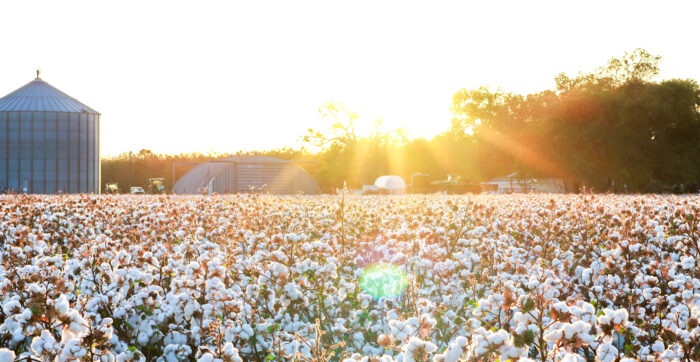
Global cotton enters a deficit year in 2026 as supply drop meets logistics risk
The global cotton economy has entered a fragile and sensitive phase. Early projections for the 2026-27 season suggest that world... Read more
India’s textile trade gets a Pacific push as New Zealand FTA removes tariff barr…
India and New Zealand have inked a ‘once-in-a-generation’ Free Trade Agreement (FTA), one that will have a profound impact on... Read more
Lululemon’s world-first nylon circularity push signals a new apparel arms race
The global apparel industry’s circularity narrative is entering a more technically demanding phase. Polyester recycling once the flagship of sustainable... Read more
Beyond the DTC Rush: Levi’s hybrid channel strategy sets a new retail benchmark
The global apparel sector is entering a phase where channel strategy is no longer a tactical lever but a core... Read more
The New Rules of Resale: EPR turning secondhand into fashion’s strategic growth …
The global fashion industry is facing a decisive regulatory and commercial reset. What began as a sustainability narrative around reuse... Read more
The 2027 Mandate: Why denim’s future hinges on verifiable data
For decades, the global denim industry has relied on a narrative of durability, heritage, and authenticity. That narrative is now... Read more
Europe’s textile core unravels as costs, imports and policy pressure bite
Europe’s textile and apparel sector, long seen as a benchmark for craftsmanship and industrial depth, is slipping into a prolonged... Read more
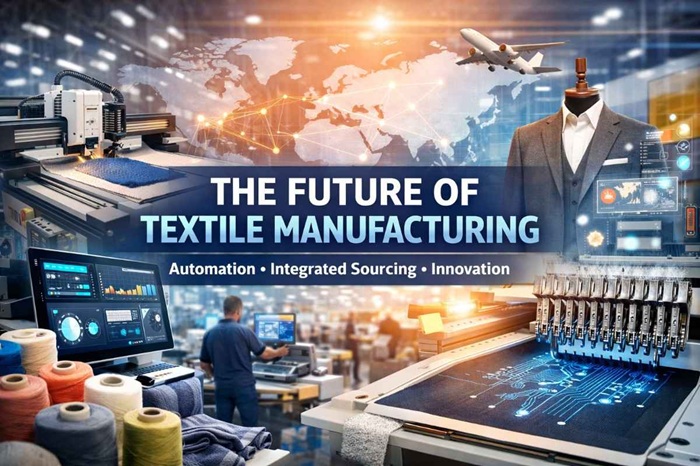
Automation, innovation, regulation are the forces shaping textiles in 2026
The global textile sector has entered a new era. Early 2026 saw the industry breach a $1.06 trillion valuation, reflecting... Read more
The new Brussels rulebook, every EU apparel order is now a balance-sheet risk
The humble export order sheet is undergoing a transformation. What was once a straightforward commercial instrument: SKU, volume, FOB price,... Read more
Why 2026-27 could be a defining cotton year for India’s farm-to-fashion economy
The global cotton economy is entering a more constrained phase, and for India, the implications run far beyond the farm... Read more