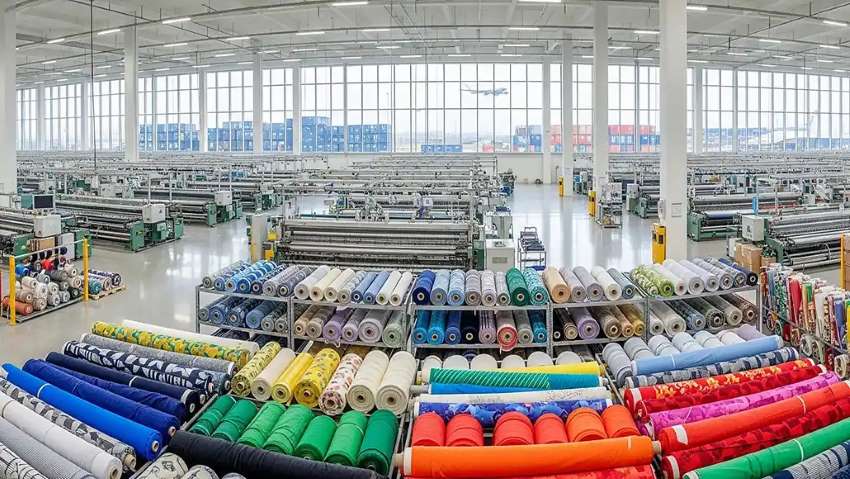
Announcing the Textile Policy for 2014-19, the Pakistan government has put forward its vision to double textiles exports from the current $13 billion to $26 billion besides creation of three million new jobs. The implementation of Textile Policy requires a financial package of around Rs 65 billion in five years. The finance division will provide Rs 40.6 billion while the rest of over Rs 23 billion will be arranged through Planning Commission and Export Development Fund.
The mark-up rate for Export Refinance Scheme of State Bank of Pakistan was reduced from 9.4 to 7.5 per cent with effect from July 1, 2014 while discount on bank interest would be given at 2 per cent as compared to the existing rate. Textile industry in the value added sector would be provided Long Term Financing Facility (LTFF) for up-gradation of technology by SBP at 9 per cent interest for 3 to 10 years.
Textile sector enjoyed duty free import of machinery under textiles Policy 2009-14. This facility (SRO 809) has been extended for another two years. Technology Up-gradation Fund for SMEs, will be extended for the policy period as well. A committee has been constituted regarding EDF which would resolve the issue in one month where textile ministry is likely to get its due share.
The Textiles Policy (2014-19) is based on actionable plans to make textile sector more competitive, robust, goal-oriented and sustainable. It envisages vital measure like budgetary support to the textile sector, enabling policy environment, sectoral strategic plan, marketing initiatives, revitalising projects and capacity building of the ministry and stakeholders, with a view to improving productivity and competitiveness of the entire textile value chain and to achieving the following goals during the next five years.
Under the policy value addition would be doubled from $1billion per million bales to $2 billion; facilitating an additional investment of $5 billion in machinery and technology for the machinery import. According to the policy, clusters would be systematically developed and existing clusters will be strengthened, vocational training of workers, 0.12 million internships and different programs for enhancement of skills and higher per capita productivity would be introduced.
Wednesday, 11 February 2015 11:23