The home textile industry is giving importance to sustainability. Textile sustainability encompasses many factors including responsible chemical and natural resource use and respect for workers and communities. Textile sustainability also includes safe and environmentally effective production practices and products that are free from harmful levels of dangerous substances.
There is a comprehensive portfolio of testing and certification programs that help home textile companies attain all those standards. Science-based testing and certification can help defend and build brand equity in a risky global market place.
Consumers want to know that their products are made responsibly with respect for people and the environment. Consumers are demanding sustainability in their apparel and home textiles will not be far behind. There is a high level of consumer interest in and demand for sustainable products.
People also want to know that the products they buy are safe for their families to use and in order for manufacturers to meet those demands they have to know every detail about the production process. Third party testing and certification can take away much of the uncertainty inherent in a complex supply chain and help ensure that products and facilities live up to expected standards.

- 1
- 2
- 3
- 4
- 5
- 6
- 7
- 8
- 9
- 10
Corporate fashion adopts reverse logistics to unlock the $367 bn resale market
Global fashion retailers are rapidly changing their business models around resale, repair, and textile recovery as the secondhand apparel market... Read more
Tariff Shock 2026: Forced-labor enforcement is repricing global fashion trade
Washington’s latest trade intervention signals a break in the global apparel sourcing patterns. The Office of the United States Trade... Read more
Circular Samvaad 2.0 aims to transform Indian textiles from linear waste to glob…
On the occasion of World Environment Day, industry leaders, policymakers, and international experts gathered in the capital yesterday for Circular... Read more
From Sentiment to Sustainability: How Mumbai’s ‘Mega Post Textile Waste Initiat…
Walk into almost any Indian household, and you will find wardrobes harboring clothes that haven’t been worn in years. They... Read more
CMAI launches new initiative to combat waste and formalize textile recovery acro…
In a landmark move to address the mounting crisis of post-consumer textile waste, the Clothing Manufacturers Association of India (CMAI)... Read more
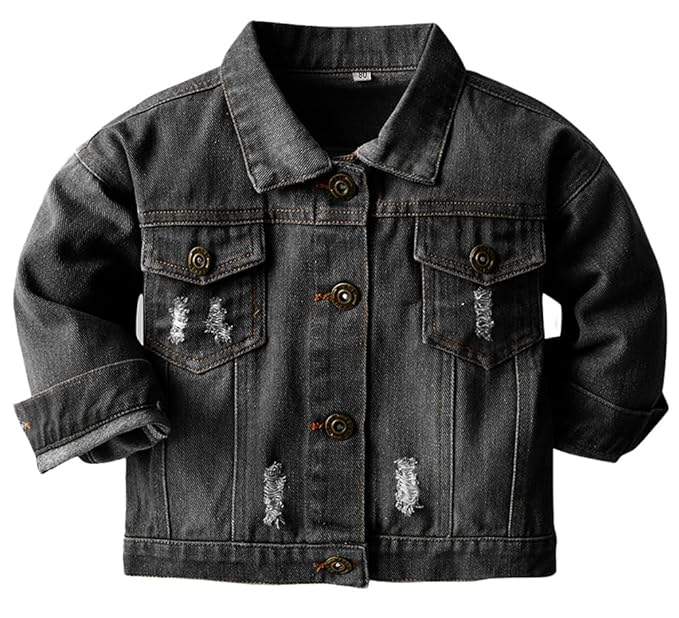
Trends-Fabrics (Denim-Kidswear) trends for Spring/Summer 2026-27 by Drapers
For the Spring/Summer 2026-27 season, the kidswear denim market is defined by a shift toward lightweight comfort, playful aesthetics, and... Read more
Cost spiral across fibers, chemicals and logistics squeezes India’s apparel expo…
India’s textile manufacturing sector has entered one of its most financially strained periods in recent years as increasing fiber, yarn,... Read more
How India’s textile recycling network is becoming a global ESG blueprint
India’s textile industry is mounting an aggressive defence against growing international criticism that developing economies are becoming dumping grounds for... Read more
Cotton trade under pressure as war risks and tariff chaos raise apparel costs
The global textile and apparel industry is entering a high-stakes period of volatility as the ongoing Iran war creates a... Read more
Copenhagen GFA summit 2026 signals reset in global apparel finance
" " The global apparel, textile, and fiber manufacturing industries are entering a decisive phase of financial and operational realignment, as... Read more