Walk into almost any Indian household, and you will find wardrobes harboring clothes that haven’t been worn in years. They aren't trash; they are memories. A saree passed down by a mother-in-law, a baby’s first outfit, a garment worn to a milestone celebration. In India, clothing is rarely just fabric; it is deeply emotional.
Yet, this sentimental attachment has inadvertently fueled a massive environmental crisis.
According to a landmark textile waste value chain report, India generates over 70 lakh (7 million) tons of textile waste annually. While the country's manufacturing sector successfully integrates pre-consumer waste back into production, the real challenge lies in what happens after a garment is bought. A staggering 58% of India's textile waste comes from post-consumer sources, with nearly two-thirds of discarded household apparel ending up in suffocating landfills or open dumps.
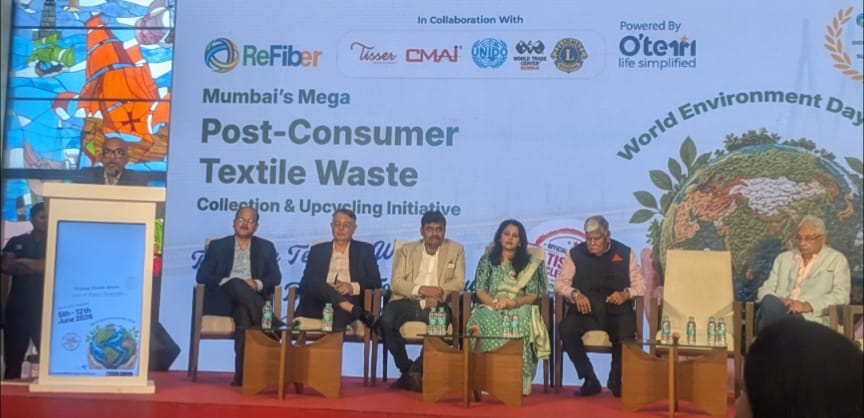
To tackle this specific hurdle, a powerhouse coalition teamed up including CMAI, Tisser, the United Nations Industrial Development Organization (UNIDO), ReFiber, O’terri, World Trade Center Mumbai, and Lions International. On World Environment Day, they officially launched the ‘Mega Used Clothes Collection & Upcycling Initiative’, Mumbai's first-ever mega post-consumer textile waste collection campaign.
The target is ambitious but highly structured: to collect 20,000 kilograms of used clothing and household textiles, diverting them from landfills and funneling them directly into a sustainable upcycling ecosystem.
The psychological challenge of the Indian closet
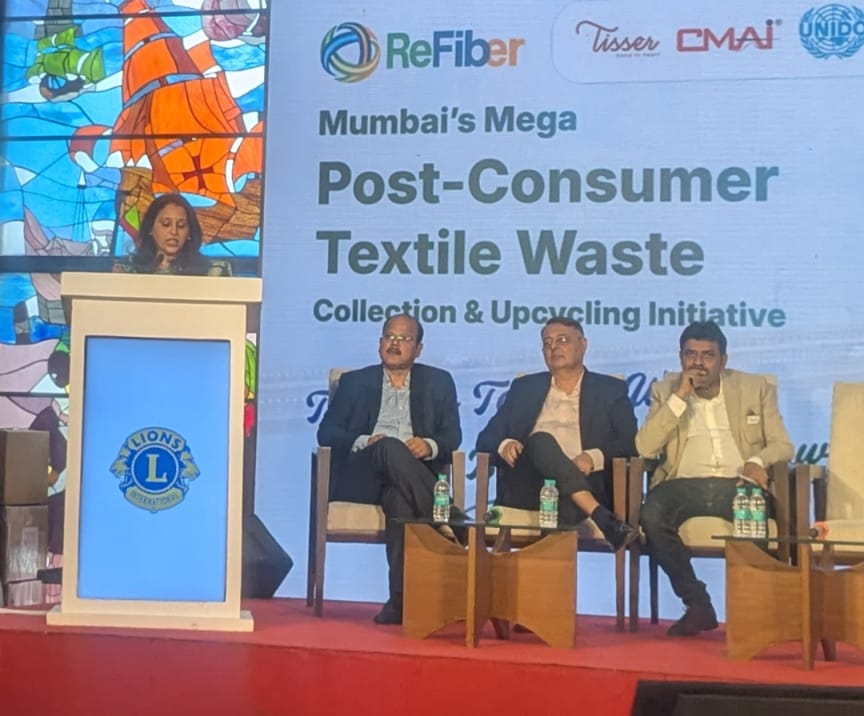
Speaking as the Chief Guest at the event, Smt. Vrunda Desai, Textile Commissioner for the Ministry of Textiles, shifted the spotlight away from industrial mechanics and directly onto consumer psychology. "You need to understand a bit about the neuropsychological mentality of women," Commissioner Desai explained warmly to the gathering. "Earlier, women used to exchange their old clothes at the door for household utensils. Every cloth, every saree, everything has an emotion, a memory... We are not able to give things away quickly."
Desai proposed a radical, empathetic solution to bridge the gap between emotional hoarding and circular economics: a personalized circular system. "Through this initiative, if you say, 'You give us your old clothes, and we will make toys out of your clothes for your wedding, or we will make curtains out of them,' then people will like to recycle. They will upcycle their own things and own them proudly again. We have to actually inculcate it into our lifestyle."
Tech-Driven Solutions: The 'Recycle and Earn' ecosystem
Recognizing that emotional appeals work best when backed by seamless execution, the campaign is introducing dedicated technology to scale up collection. The backend engine of the movement relies on a dedicated application called Refiber, powered by O’terri.
The app functions on a simple premise: consumers place an order by entering the number of clothing items and their approximate weight, then choose a local laundry partner from an integrated ecosystem to drop it off or arrange a pickup.
The idea originally sparked from everyday ground-reality challenges faced by local laundry businesses. Customers would frequently leave old clothes behind for months. The team decided to introduce a feature called "Recycle and Earn" into their aggregator platform, offering customers service discounts valid for six months to a year in exchange for responsibly discarding their textiles.
To make the movement highly accessible, 50 permanent collection points have already been established across Mumbai, fully managed by specialized backend technology.
Furthermore, the Refiber app has launched an exclusive digital marketplace for upcycled products. A consumer can donate their old garments on one side of the application, and browse beautifully resurrected, upcycled consumer goods on the other.
Moving beyond charity to self-sustaining livelihoods
For CMAI and its partners, the metric of success for the Mega Upcyclon extends far beyond the sheer weight of fabric collected. It is fundamentally an initiative anchored in social impact and women's empowerment.
Through its partnership with Tisser, an organization working on the ground with a massive network of 20,000 women artisans and workers, the collected waste will be systematically sorted, refurbished, and hand-transformed into high-value consumer products like folders, lifestyle bags, and home upholstery.
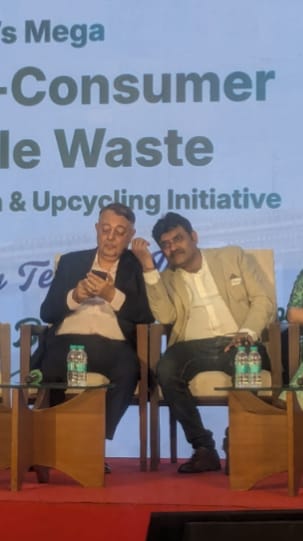
Santosh Katariya, President of CMAI, emphasized that the old linear model of "take, make, and dispose" must be aggressively dismantled. "The transition towards a circular economy cannot be achieved by industry efforts alone," Katariya stated. "Today, it’s not just about collecting used garments, it’s about creating a movement. A movement that converts waste into opportunity, protects our environment, and empowers thousands of women through recycling. The success of this initiative will be measured by the number of lives we touch."
To ensure this model outlives the initial buzz of World Environment Day, the Ministry of Textiles is focusing heavily on fiscal self-sustainability. The project has successfully integrated its Textile Recovery Facility (TRF) models onto the Government e-Marketplace (GeM) portal. This ensures that the upcycled folders, corporate bags, and upholstery created by these women artisans can be directly procured by government offices and major national conferences.
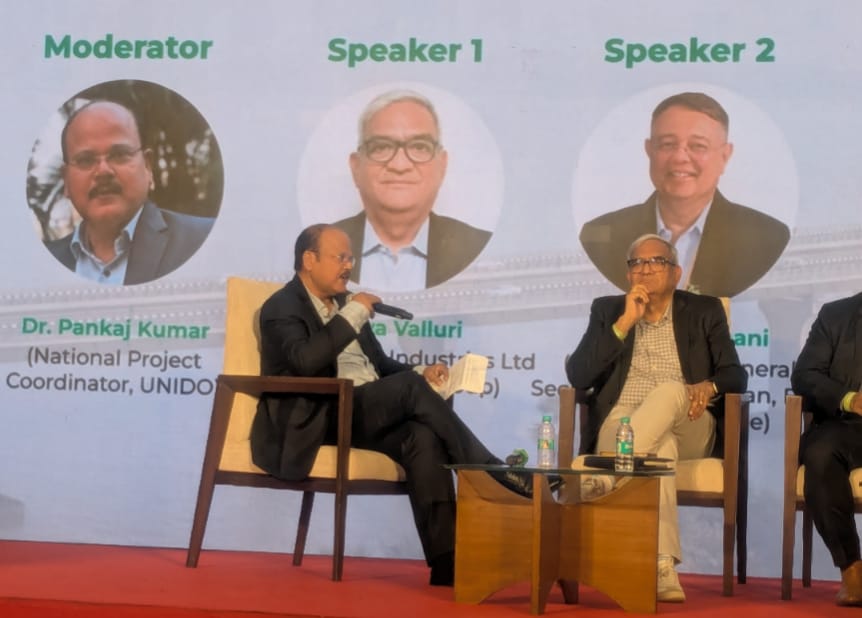
As Dr. Pankaj Kumar, National Project Manager for UNIDO, noted during the launch, India is uniquely positioned to lead the global textile sector in developing green jobs, ensuring gender equality, and minimizing hazardous chemical footprints by giving discarded cloth a second life.
The message echoing from Mumbai’s green coalition is unmistakably clear: the future of fashion cannot remain linear. By transforming personal memories into local livelihoods, Mumbai is proving that what was once written off as closet waste is actually one of the country's most valuable, untapped resources.