China is investing in Myanmar.
Myanmar has been one of the largest destinations for Chinese infrastructure investment over the past decade, particularly in hydropower. In fact, 40 per cent of Chinese-funded dams built since 2000 are located in Southeast Asia, and 30 per cent in Myanmar alone.
Since 2011, western countries have lifted sanctions on Myanmar and begun to ramp up investment. As a result, Myanmar has diversified its sources of foreign investment, but China remains the biggest source of FDI in terms of stock.
To boost infrastructure investment, Myanmar is looking to kickstart a number of projects with China, its largest investor.
China is also Myanmar’s largest trading partner, making up one-third of its total trade volume.
Foreign direct investment is conducive for growth and poverty alleviation. FDI and international market integration promote democratisation and reduce the incidence of armed conflicts in the long run. Such findings hold important implications for an increasingly open Myanmar economy.
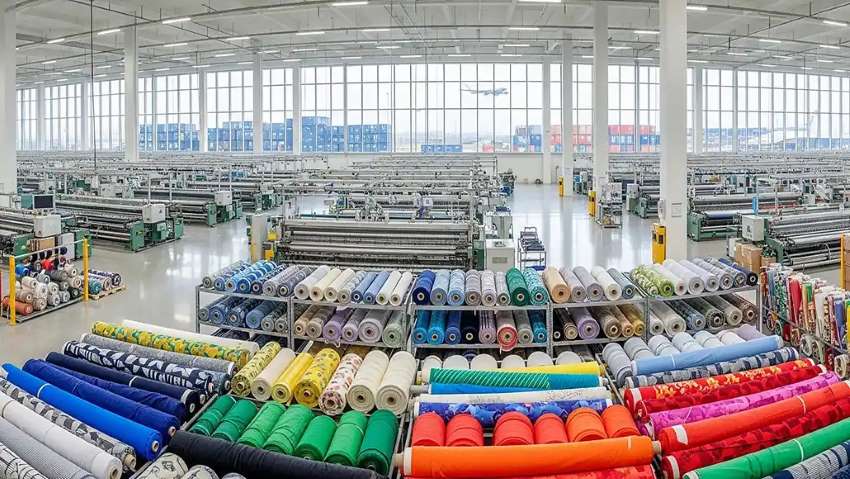
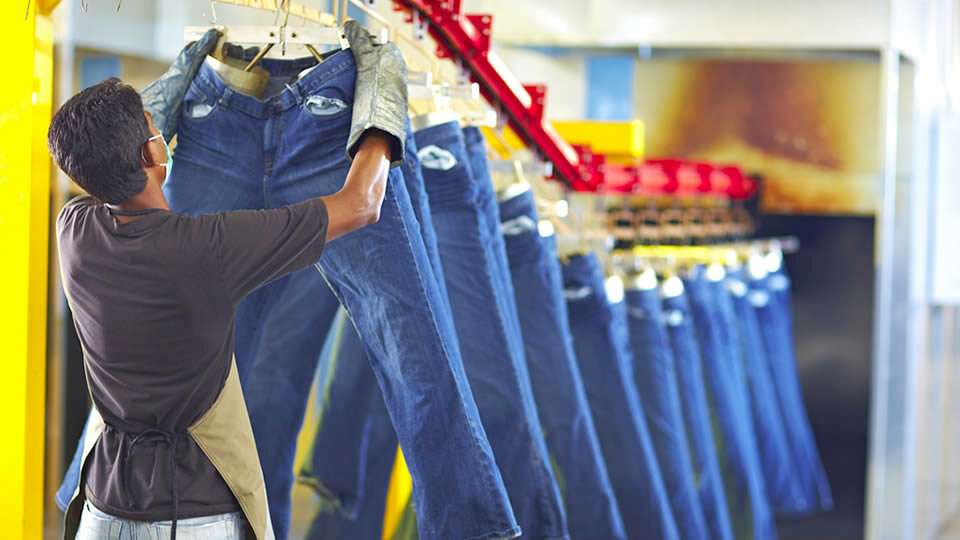
Myanmar already has several garment factories in joint venture with entrepreneurs from Japan, China, Taiwan and South Korea.
The garment industry in Myanmar mainly caters to the cut-make-pack system. The industry employs over 3,50,000 people with women constituting 90 per cent of the workforce.
The garment industry in Myanmar is rapidly growing due to demand from the EU and Asian countries.

- 1
- 2
- 3
- 4
- 5
- 6
- 7
- 8
- 9
- 10
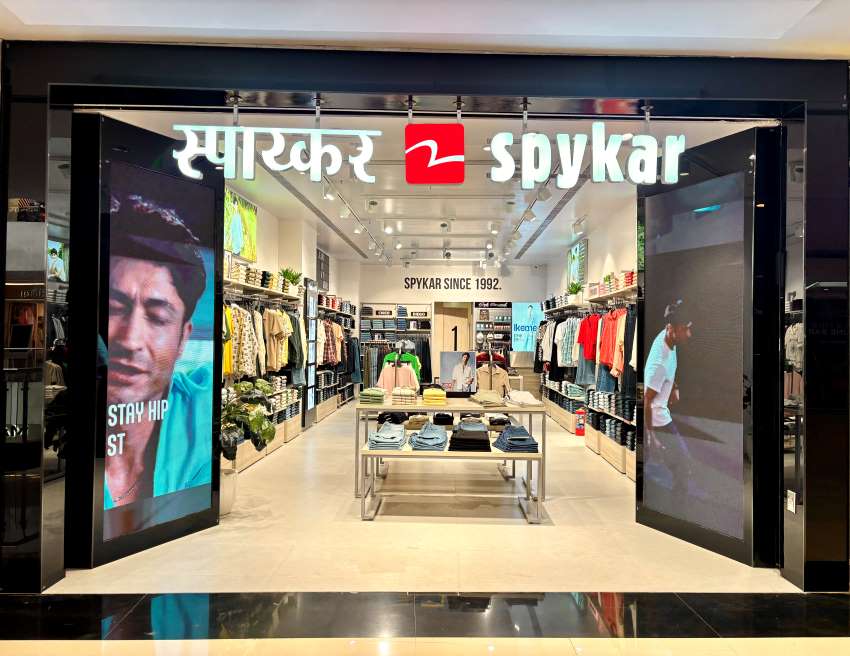
Spykar accelerates offline expansion: plans 100 new stores across India
A titan of the Indian denim-first fashion scene, Spykar has officially unveiled an aggressive retail growth strategy. As consumer demand... Read more
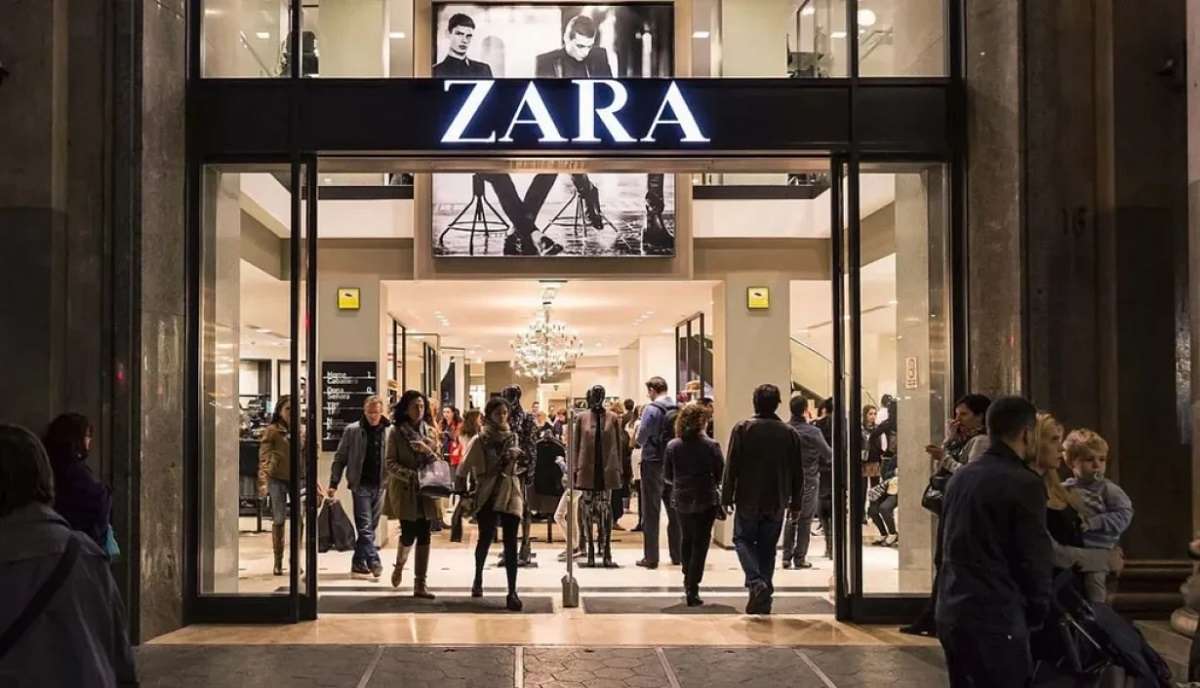
The Inventory Illusion: Rethinking the Zara benchmark in a volatile retail era
For over a decade, the global fashion industry has treated the Zara playbook as the gold standard of inventory efficiency.... Read more
Retail Without Retail: How Walmart’s depot network is turning space into logisti…
Walmart is fundamentally rewriting the commercial real estate and retail logistics playbook with the rise of its ‘Walmart Depots’ a... Read more
Global textile regulation tightens, forcing realignment across fashion supply ch…
Global fashion and consumer goods supply chains are entering a decisive regulatory transition as Extended Producer Responsibility (EPR) frameworks for... Read more
Luxury’s new power axis, US dominance, China reset, Gulf surge
As the post-China luxury order takes shape, the US is emerging as the industry’s most dependable growth engine, while Japan,... Read more
India’s $9 Billion Landfill Blind Spot How trashed clothes hold the key to globa…
A massive economic windfall is sitting uncollected in India’s landfills, and the key to unlocking it lies in rethinking how... Read more
Red Sea crisis reshapes textile trade routes, challenges India’s export margins,…
Global apparel trade is now in a new operational phase where geopolitical stability and logistics reliability are as important as... Read more
EU’s textile waste rules enter enforcement phase, raising alarms across fashion …
Europe’s apparel and textile industry is approaching one of its most significant regulatory transitions in decades. As the European Union... Read more
Corporate fashion adopts reverse logistics to unlock the $367 bn resale market
Global fashion retailers are rapidly changing their business models around resale, repair, and textile recovery as the secondhand apparel market... Read more
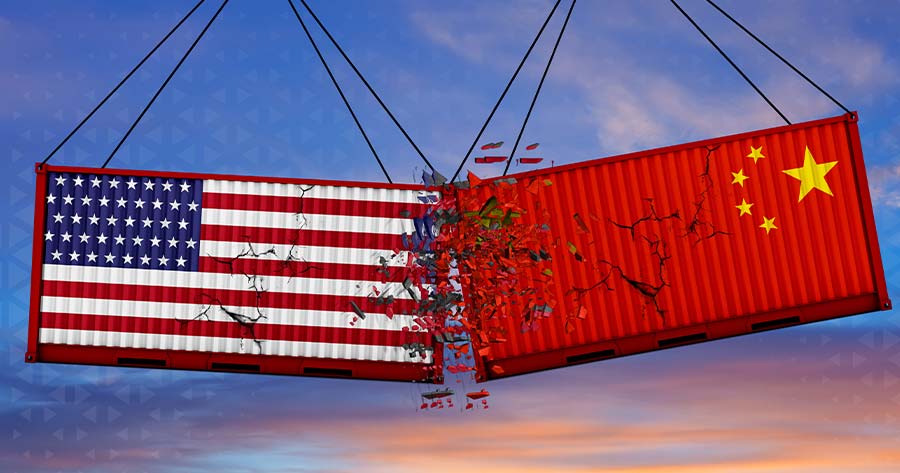
Tariff Shock 2026: Forced-labor enforcement is repricing global fashion trade
Washington’s latest trade intervention signals a break in the global apparel sourcing patterns. The Office of the United States Trade... Read more