The European Commission’s decision to move into the provisional application phase of the EU–Mercosur Interim Trade Agreement (iTA) marks a significant shift in European trade policy, effectively bypassing decades of deadlock. Following recent ratifications by Argentina and Uruguay in February 2026, the European Union is now leveraging this ‘interim"’legal structure to activate trade measures as early as March 2026. This tactical deployment allows Brussels to begin dismantling high tariffs - currently as high as 35 per cent on industrial exports - while a broader Partnership Agreement remains under review by the Court of Justice of the European Union.
Economic stakes and the high cost of onaction
European business coalitions, including major representatives from the automotive, chemical, and textile sectors, have highlighted the severe financial penalties of further delay. Conservative estimates suggest, stalled negotiations have cost European exporters approximately €3 billion in monthly trade volume since 2021, culminating in a nearly €291 billion loss in potential GDP. By contrast, full operationalization is projected to trigger a nearly 40 per cent spike in EU exports to the region. In a global trade environment increasingly defined by protectionism, this agreement serves as a vital hedge, granting European firms a first-mover advantage in a market of 270 million consumers before competing global powers further entrench their positions.
Strategic resilience in a fragmented global Market
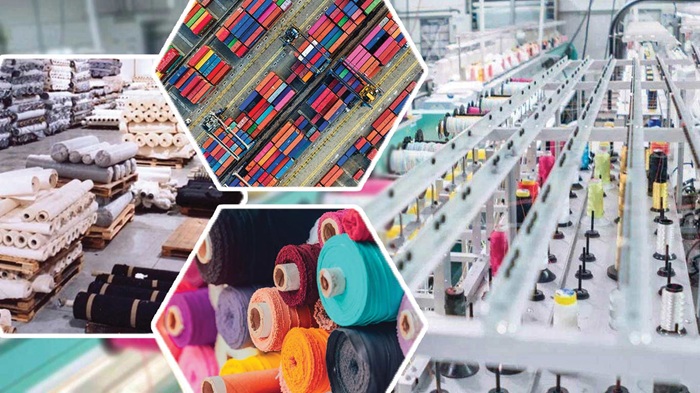
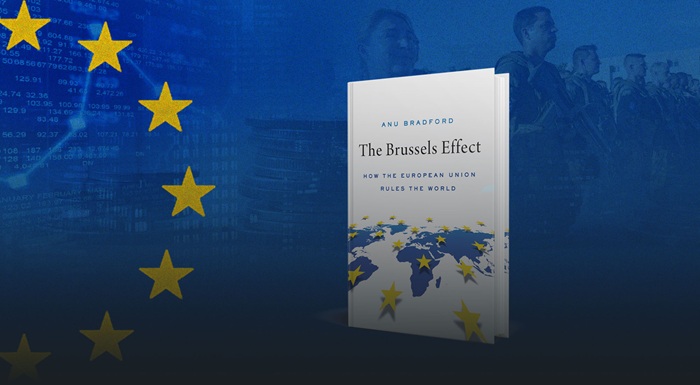
Beyond immediate tariff reductions, the agreement is being reframed as a critical pillar of Europe’s economic security. Access to South America’s vast reserves of critical raw materials- such as lithium and niobium - is essential for the EU’s green and digital transitions. By securing rules-based access to these inputs, the EU aims to diversify its supply chains away from high-risk dependencies. The agreement also establishes binding standards on sustainability and labor rights, effectively exporting European regulatory norms to one of the world's largest trading blocs. For industries like textiles, where European design currently faces 35% import duties, the removal of barriers represents a transformative opportunity for market expansion and high-value brand placement.
Operationalization and the path to full ratification
While the provisional application provides a much-needed bridge for commerce, European industry leaders are calling for rapid ‘practical delivery.’ This includes the timely synchronization of customs procedures and the removal of non-tariff barriers that have historically complicated transatlantic trade. Although five EU member states, including France and Austria, have voiced continued opposition due to agricultural concerns, the separation of the trade components into an ‘Interim Agreement’ allows for immediate economic relief. The priority now shifts to ensuring that the technical implementation of the deal - particularly regarding tariff-free quotas and public procurement access - is managed transparently to prevent market disturbances while maintaining the current momentum toward full ratification.
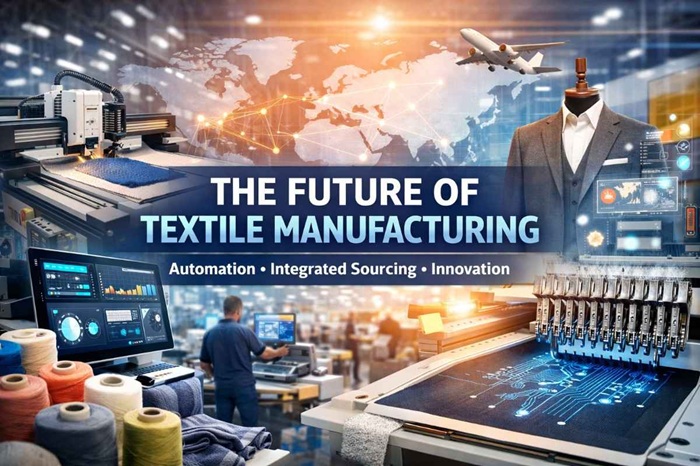
Euratex represents the €170 billion European textile and clothing industry, a sector comprising 200,000 companies and 1.3 million workers. The organization advocates for fair trade and ambitious industrial policies to support high-value manufacturing. With €64 billion in annual exports, the industry views the Mercosur deal as critical for future competitiveness and sustainable supply chain resilience.