The Bangladesh ready-made garment (RMG) sector is facing a critical freeze in procurement as rapid shifts in United States tariff policy create a ‘wait-and-watch’ environment for major fashion retailers. Since early 2025, Bangladeshi apparel has undergone four separate duty revisions, moving from a 37 per cent reciprocal surcharge to a recently negotiated 19 per cent rate under a bilateral Agreement on Reciprocal Trade (ART). However, the implementation of a 15 per cent universal levy in late February 2026 - following a Supreme Court ruling that disrupted previous executive orders - has left the effective duty on Bangladeshi goods at approximately 31.5 per cent. This instability has triggered a slowdown in bookings for the Fall/Winter 2026 season, with industry leaders reporting that buyers are deferring commitments until duty clarity emerges.
Strategic pivot toward US-linked raw materials
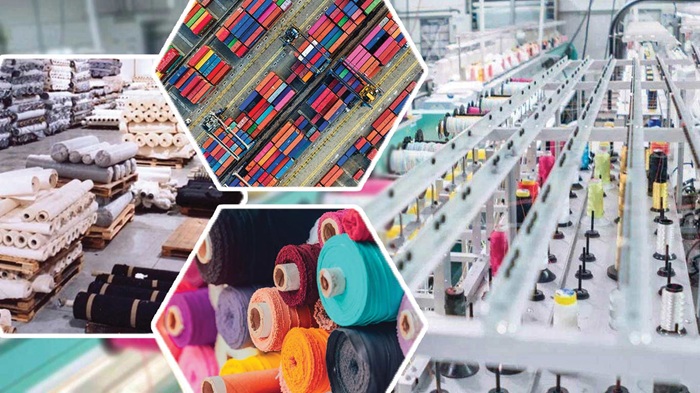
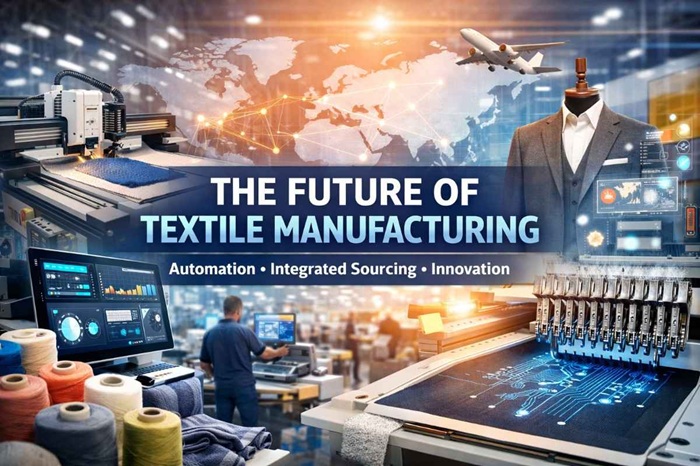
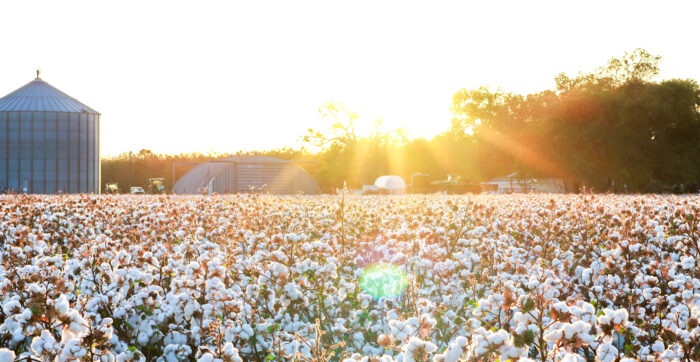
A pivotal clause in the February 9, 2026, trade pact offers a potential lifeline: zero-duty access for specified volumes of garments manufactured using US-origin cotton and man-made fibers. This ‘reciprocal’ mechanism is designed to deepen supply chain integration between Washington and Dhaka but poses significant operational challenges. Bangladesh currently imports only a small fraction of its $16 billion textile input requirement from the US, relying heavily on regional suppliers like India and China. Shifting these procurement channels to qualify for duty exemptions requires a massive realignment of logistics and yarn-forward compliance. The industry is at a crossroads where the cost of raw material transition must be weighed against the benefit of market access, noted Mahbubur Rahman, Commerce Secretary.
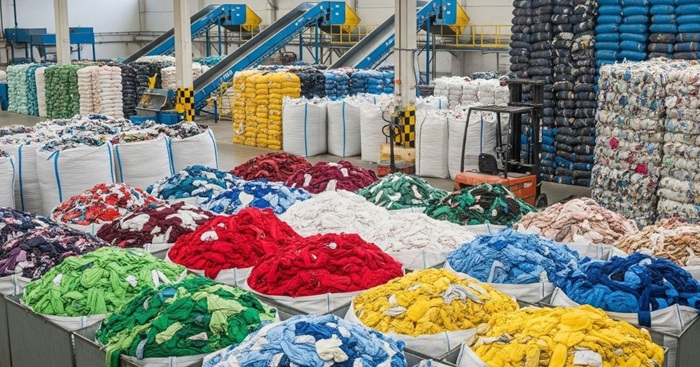
The RMG sector is the cornerstone of Bangladesh's economy, contributing roughly 10 per cemt of GDP and accounting for over 80 per cent of total export earnings. Employing four million workers, primarily women, the industry is transitioning from basic mass-market apparel to high-value technical garments and premium knitwear. Despite 2026 trade headwinds, the sector aims for a 5 per cent annual growth rate through 2028, supported by the new PM MITRA-style industrial parks and a strategic focus on ESG-compliant manufacturing to maintain its position as the world's second-largest apparel exporter.