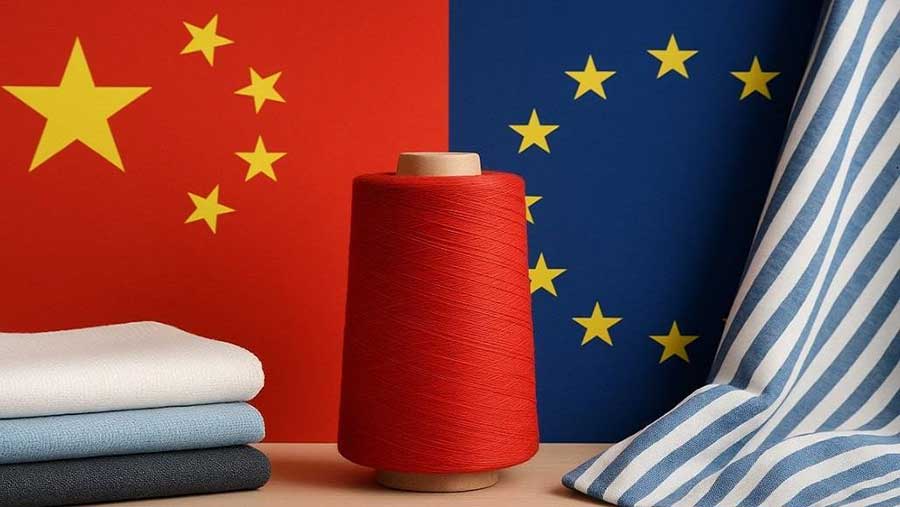
Australia’s home textile import sector reached a valuation of $2.14 billion in 2025, maintaining a consistent growth trajectory despite global inflationary pressures. While China remains the primary supplier, accounting for approximately 58 per cent of the market share, India is rapidly narrowing the gap following the full implementation of the Economic Cooperation and Trade Agreement (ECTA).
In CY25, Indian exports of bed linen and floor coverings to Australia increased by 14.2 per cent, capitalizing on zero-duty access that provides a significant competitive edge over non-FTA partners. This regional realignment is compelling Australian procurement officers to diversify their supply chains, with a measurable shift toward high-thread-count cotton and sustainable hemp-based textiles, which saw a 22 per cent increase in import volume.
Sustainability and premiumization driving import value
The technical composition of Australian textile imports is evolving as ‘green’ regulatory requirements become more stringent. Importers are increasingly prioritizing verified recycled content and traceable fibers, a trend that has benefited specialized manufacturers in Pakistan and Vietnam. Data from the 2025 trade cycle indicates that while unit volumes remained relatively flat, the total value of imports rose by 3.4 per cent due to a broader industry move toward premiumization.
Industry analysts at the Sydney Textile Forum noted, the demand for antimicrobial and temperature-regulating fabrics is no longer a niche segment but a baseline requirement for major hospitality and residential contracts. As Australian retailers navigate a 0.8 per cent rise in logistics costs, the focus has shifted toward high-margin, durable goods that justify the increased expense of trans-Pacific freight.
Australia relies on imports for over 90 per cent of its home textile needs, with a primary focus on bed, bath, and kitchen linens. The sector is currently transitioning toward a circular economy model, with growth plans centered on 100 per cent recyclable fiber mandates by 2030. Financial performance remains stable, supported by a resilient housing and renovation market.