By 2026, the global fashion and apparel industry has arrived at a reckoning it spent the last decade trying to postpone. After years of evangelising Direct-to-Consumer (DTC) as a silver bullet, promising higher margins, tighter customer relationships and digital independence the sector has discovered the limits of absolutism. What has emerged instead is a far more pragmatic operating model: a high-stakes hybrid balance where DTC and wholesale are no longer competing philosophies but interdependent levers.
This shift marks the most consequential reordering of fashion retail since the rise of e-commerce itself. The question facing brands today is no longer whether to go direct or stay wholesale-heavy. It is how to orchestrate both channels into a single, intelligent commercial system—one that can withstand rising customer acquisition costs, volatile demand cycles and AI-driven consumer expectations.
The end of the ‘Middleman Myth’
The early DTC movement was fuelled by a simple narrative: eliminate intermediaries and reclaim margin control. In practice, the story has proven far more complex. While US DTC e-commerce sales are projected to reach $239.75 billion in 2026, accounting for nearly one-fifth of total e-commerce, this growth no longer signals channel dominance. Instead, it reflects a recalibration where DTC is being repositioned as a precision tool rather than a volume engine. Brands that have survived the DTC boom-and-bust cycle now treat their owned platforms as strategic infrastructure less about replacing wholesale, more about strengthening the entire ecosystem around it.
Why brands still go direct but selectively
The enduring appeal of DTC lies not in revenue scale but in informational power. In 2026, the most competitive brands are those using their digital storefronts as data intelligence hubs. At the centre of this strategy is zero-party data: information that consumers willingly provide in exchange for value. AI-powered style diagnostics, fit visualisation tools and virtual try-ons have transformed data capture from passive tracking into active collaboration. Unlike wholesale environments, where brands often receive delayed or aggregated sell-through data, DTC channels provide real-time insight into intent, preference and price sensitivity.
Margin resilience is another critical factor. With wholesale discounts still averaging close to 50 per cent, DTC has become a buffer against rising input costs from raw materials to logistics and compliance. Brands are no longer using DTC to undercut partners; they are using it to protect pricing architecture while funding innovation.
Perhaps the most transformative development is the rise of agentic commerce. AI-native shopping journeys already deployed by platforms such as Zalando and brands like Michael Kors now dynamically adjust product recommendations, pricing logic and merchandising flows in real time. These systems have been shown to lift average order values by as much as 26 per cent, underscoring DTC’s role as a laboratory for retail intelligence rather than a blunt sales channel.
The quiet revival of wholesale power
Even as DTC matured, wholesale never disappeared. It evolved. In 2026, wholesale has reasserted itself as fashion’s most effective discovery engine. Physical retail once written off as legacy infrastructure now plays a critical role in reducing friction, managing returns and driving brand legitimacy. For digitally native consumers fatigued by infinite scrolling, the physical shelf has regained its authority as a filter of trust.
Wholesale partnerships with retailers such as Target, Macy’s and Selfridges function as high-impact marketing platforms. In an era where digital advertising costs have surged and social algorithms have become unpredictable, these environments offer something increasingly rare: guaranteed visibility at scale.
Operationally, wholesale also remains indispensable. Bulk B2B shipments to regional hubs are structurally more efficient than managing millions of individual B2C deliveries. At a time when online apparel return rates still hover around 30 per cent, physical retail’s touch-and-feel advantage has become a material cost-control mechanism rather than a branding luxury.
Structural constraints that still haunt wholesale
Yet wholesale is not without friction. The model’s limitations are well documented and increasingly intolerable in a fast-cycle retail economy. Data opacity remains a fundamental challenge. Without direct access to the end consumer, brands struggle to retarget, personalise or accurately forecast demand. Price integrity is another pressure point. Retailers, managing their own margin and inventory risks, often resort to aggressive markdowns that can erode brand equity.
Most critically, the traditional wholesale calendar built around six- to nine-month buying cycles collides with the limited-drop, rapid-response culture that defines 2026 fashion. The result has been a forced evolution toward more flexible replenishment models, concession formats and shared-risk inventory agreements.
Table: By the numbers: how the balance is shifting
The scale of the rebalancing becomes clear when viewed longitudinally.
|
Year |
US DTC e-commerce sales (est. bn) |
% of total e-commerce |
Wholesale market share (global) |
|
2023 |
$135 bn |
14.20% |
65% |
|
2024 |
$161 bn |
16.50% |
61% |
|
2025 |
$187 bn |
18.10% |
59% |
|
2026 (Proj.) |
$239.75 bn |
19.20% |
57% |
This table highlights while DTC continues to grow in absolute terms, wholesale remains the dominant global channel by volume. The narrowing gap does not signal replacement it signals redistribution of function.
Nike, a case study in overcorrection
No brand better illustrates the dangers of DTC absolutism than Nike.
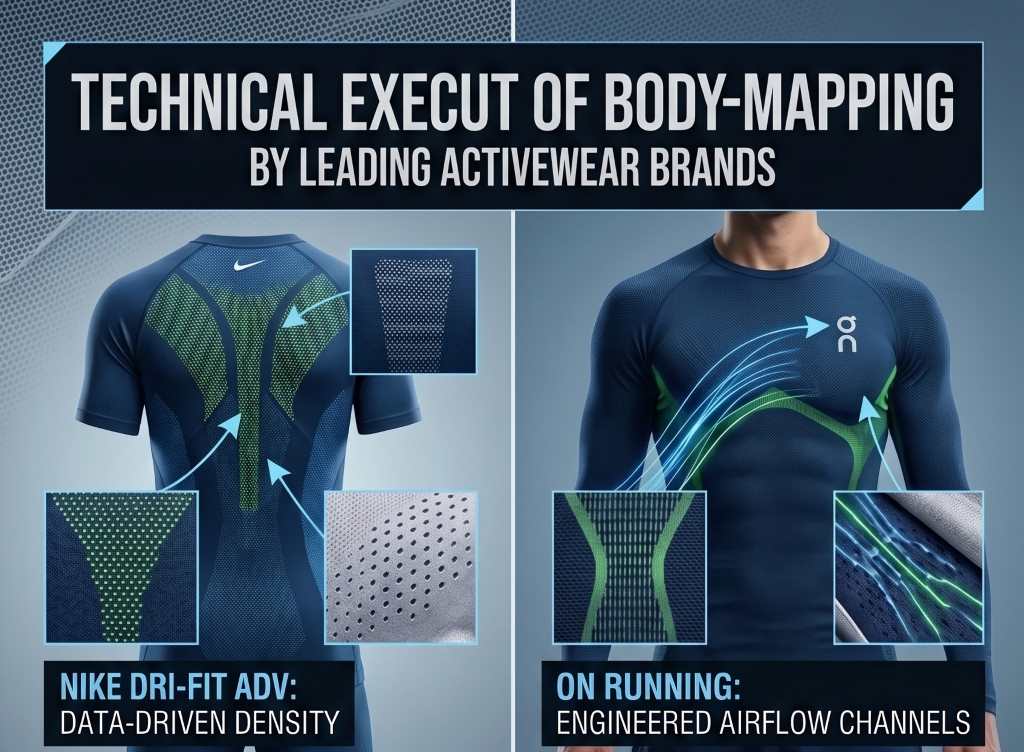
Between 2020 and 2024, Nike aggressively pruned its wholesale network, betting heavily on its owned digital ecosystem. While the strategy delivered short-term margin gains, it produced an unintended consequence: invisibility in multi-brand environments. Without standing side-by-side with challengers such as Hoka and On Running, Nike lost contextual relevance for casual and first-time buyers.
By late 2025, the company began a visible course correction. Nike re-entered Amazon and rebuilt relationships with partners including DSW and Macy’s. The results were immediate. In Q2 2026, Nike’s wholesale revenue rose 8 per cent, validating wholesale’s role as both a pressure valve for inventory and a gateway to consumer segments that brand-owned platforms alone could not efficiently reach. Nike’s experience has since become a cautionary tale across the industry: scale without distribution diversity is fragile.
Toward radical symbiosis
By 2026, the industry consensus is clear. The DTC-versus-wholesale debate is over. What has replaced it is a barbell strategy built on functional clarity. DTC is now used for deepening housing loyalty programmes, exclusive capsules, community engagement and high-margin experimentation. Wholesale, by contrast, is used for finding delivering mass awareness, physical validation and operational throughput.
Artificial intelligence is accelerating this convergence. As agentic shopping systems blur the distinction between online and offline discovery, the most resilient brands are those that can synchronise data-rich direct channels with the expansive reach of wholesale partners. In the new fashion economy, success no longer belongs to the most digital or the most distributed. It belongs to those capable of radical coordination brands that understand retail not as a channel war, but as a unified intelligence system spanning screens, shelves and supply chains.