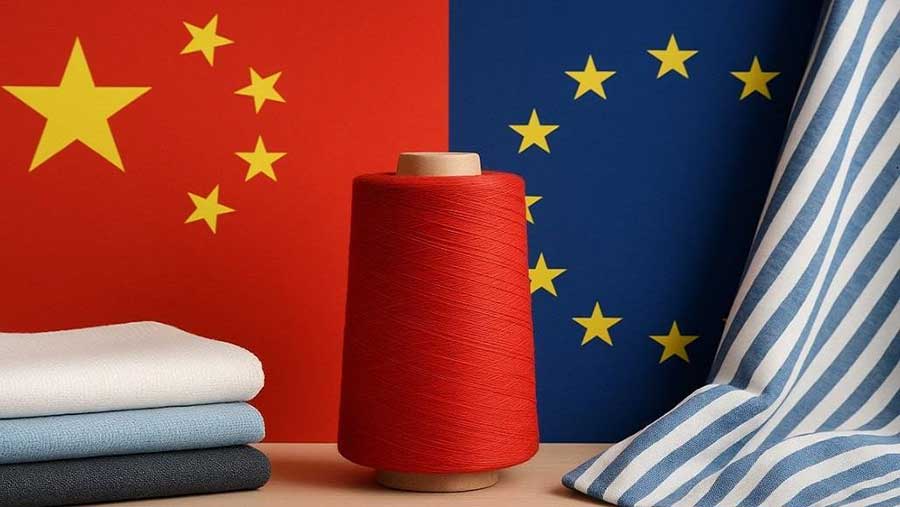
By 2025, the EU overtook the US as the largest destination for China’s low-value e-commerce exports, highlighting a decisive rerouting of digital fashion flows. For Shein to Temu, the shift showcased more than a mere geographical reallocation, it marked a recalibration in the face of growing trade barriers and a changing global appetite for low-cost fashion.
The great re-routing
The catalyst for this change was Washington’s aggressive trade policy. In early 2025, the US intensified regulatory scrutiny around the de minimis threshold, formally codified under Section 321. This provision had previously allowed packages valued under $800 to enter the US duty-free, offering Chinese exporters a substantial advantage in the high-volume, low-value fashion segment. By August, the suspension of duty-free treatment for these parcels fundamentally altered the economics of international fashion trade, forcing a reevaluation of global sourcing and distribution strategies.
The immediate impact on US imports was swift and measurable. Chinese exporters faced new duties ranging from 15 to 50 per cent on small parcels, directly squeezing margins on items historically priced for impulse purchases. Consumer-facing platforms, in turn, raised prices by 10-30 per cent in April 2025 to offset the rising operational costs. For Shein, the impact were tangible: its US market share declined for the first time since 2021, falling from 1.8 per cent in 2024 to 1.7 per cent in 2025, while total sales value dropped 4.5 per cent.
Europe steps into the spotlight
As the American market grew increasingly inhospitable, Chinese fast-fashion giants executed a digital shift toward Europe. Advertising spend rose, with French campaigns up 45 per cent and the UK seeing a 100 per cent increase in digital media allocations. The results were pronounced: Shein recorded double-digit growth in retail sales across the EU, with France growing 26.7 per cent, Germany 31 per cent, and Spain 26.6 per cent.
Hungary and Denmark emerged as unexpected growth engines, recording user engagement jumps of up to 400 per cent, highlighting the potency of a digitally savvy, smaller-market European segment. Platforms responded strategically, with AliExpress leading at 190 million users and Shein following closely with 145.7 million monthly users. In contrast, the US market stagnated, with Temu and Shein collectively capturing just 17 per cent of the discount fashion market amid declining parcel volumes.
Table: Market dynamics: EU vs. US (2025)
|
Metric |
EU |
US |
|
Status |
Largest market for low-value e-commerce |
Declining volume due to trade barriers |
|
User Growth |
Shein: 145.7M monthly users (+11.6%) |
Shein: Sales value decline of 4.5% |
|
Top Growth Hubs |
Hungary & Denmark (400% jump) |
12.6% decline in low-value exports |
|
Platform Lead |
AliExpress (190M users), Shein (145.7M) |
Temu & Shein (17% of discount market) |
|
Consumer Spend |
UK: €2.3B revenue (+32% YoY) |
$238B online fashion spend (stagnant) |
The manufacturer’s perspective: From Panyu to Paris
Bob Liu, a footwear manufacturer based in Fujian province, embodies the industrial dimension of this pivot. Liu’s factory historically relied on the US for 80 per cent of its total orders, producing small parcels tailored to American sizing and style. By early 2026, the US share of his revenue had dropped to less than half, while Europe now accounts for nearly 40 per cent of his output. Europe is increasing, increasing, increasing, Liu told The Wall Street Journal.
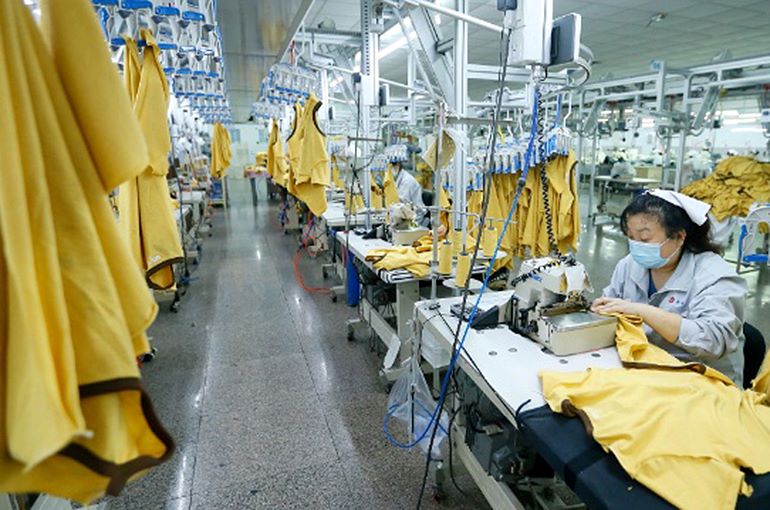
Factories in Panyu and other Chinese fast-fashion villages have responded by realigning production lines to European sizing and tastes, developing what Liu describes as ‘Euro-chic’ designs. These adaptations are more than cosmetic; they represent a full-scale operational pivot, including sourcing materials locally where possible and optimizing logistics for regional fulfillment.
EU customs reform a coming impediment
The European boom, however, faces a new inflection point. On July 1, 2026, the EU Council will implement a landmark customs reform, aiming to level the playing field and curb the environmental and economic impact of millions of small parcels. The changes are straightforward but consequential:
• The longstanding €150 threshold for low-value consignments will be abolished.
• A flat €3 duty will apply to small parcels (under €150) sold by non-EU sellers registered under the Import One-Stop Shop (IOSS).
• The duty will be applied per item category. A parcel containing a shirt and a pair of shoes, for example, will attract a total €6 charge.
This reform has prompted platforms to rethink logistics. Temu and Shein are reportedly relocating 20-50 per cent of their inventory to domestic European warehouses, ensuring rapid delivery while mitigating the per-package duty impact. Localized fulfillment, once a luxury, is now a strategic imperative.
Lessons for India
While Europe and the US battle over Chinese imports, Indian manufacturers are closely monitoring these developments. India continues to be a critical sourcing hub for global apparel, yet there is growing concern about dumping, as goods displaced from the US market seek new outlets in Europe. The comparative advantage of Indian textile production vertical integration from cotton to garment, positions the industry to capture demand if Chinese imports face barriers, but challenges remain, including energy costs and logistics constraints.
Table: Comparative labor & trade dynamics
|
Feature |
India |
Bangladesh |
Vietnam |
China (fast fashion) |
|
Primary Advantage |
Vertical integration (Cotton to Garment) |
LDC Duty-Free access to EU |
High efficiency, FTAs (CPTPP) |
Speed-to-market, AI-supply chains |
|
Labor Cost |
Moderate |
Very Low |
Moderate |
Rising |
|
Key Challenge |
High power costs & logistics |
Political stability & energy |
Sourcing raw materials |
US Trade Barriers/Tariffs |
Preparing for volatility
As 2026 unfolds, the fashion industry faces a time of reckoning. According to McKinsey’s State of Fashion 2026, growth in fast fashion will remain in low single digits, with profit margins increasingly tied to supply chain agility. Companies that can pivot production between regions in response to policy shifts, environmental considerations, or consumer trends will outperform those wedded to a single market or distribution channel. For Shein, Temu, and the broader digital fashion ecosystem, the lesson is clear: survival is no longer about volume alone; it is about speed, adaptability, and strategic localization.
In coming years, Europe is no longer just a market, it is the lab for the next era of fast fashion. The winners will be those who combine digital reach with nimble, regionally attuned supply chains, while the losers risk repeating the American market’s costly missteps.