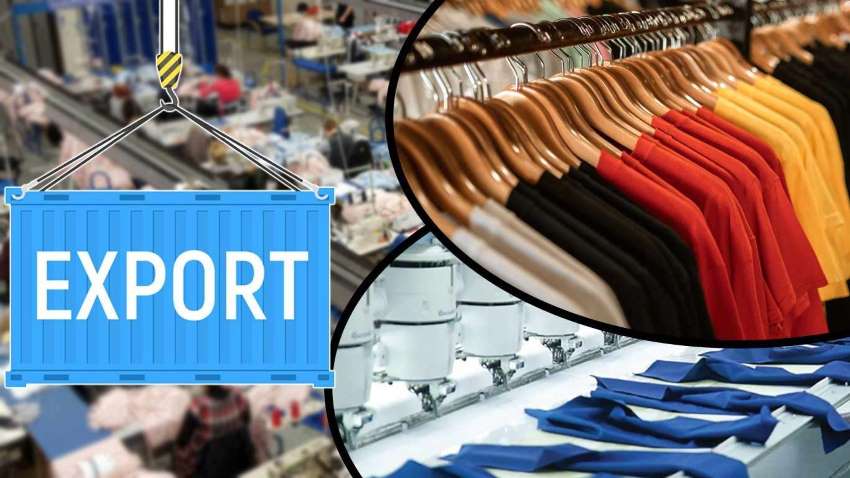
Over 95 per cent of the total investors in the Bangladesh apparel industry are local. Bangladesh has a number of foreign investors in the textile and apparel sectors. The country encourages foreign investments in high value added items, non-traditional apparel items and, in the primary textile industry, especially woven textiles.
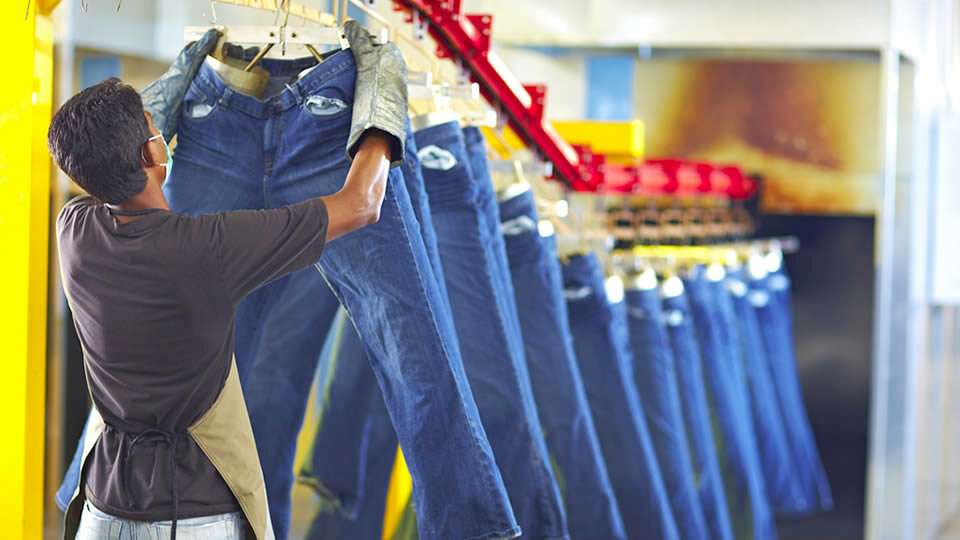
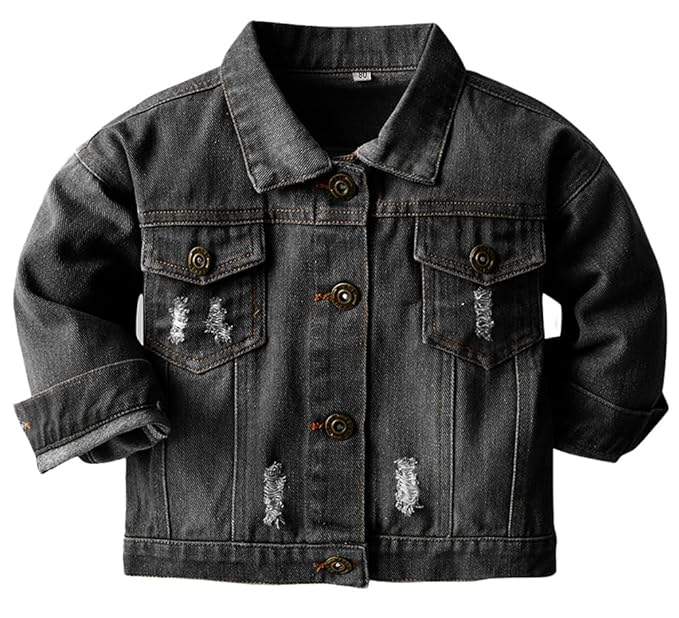
Special economic zones will be awarded to countries like UK and China. Meanwhile Bangladesh is also working on decreasing its dependency on imports. There has been significant capacity building in the area of yarn and fabric manufacturing, especially for knitwear items. Denim production capacity has also got a significant boost in the last decade. Almost 50 per cent of the demand for denim fabric by the export-oriented garment industry is being fulfilled by domestic denim mills. Besides, Bangladesh produces almost 100 per cent of the accessories it needs.
However, fiber has to be imported since the country does not grow cotton or petrochemical products. It is also lagging behind in woven fabric production. Though Bangladesh produces for global brands, there are hardly any brands it has developed. The next step is to correct this. Factories are now getting prepared for the next leap forward. In-house design development, presentation of collections to buyers, investments in high value added production capacity are happening in the apparel industry.
- 1
- 2
- 3
- 4
- 5
- 6
- 7
- 8
- 9
- 10
Intertex Milano 2026 - A global nexus for textile innovation
Intertex Milano is set to return this summer, confirming its status as a premier international destination for the textile and... Read more
Primark at crossroads as AB Foods weighs spin-off amid digital and Lefties press…
The long-standing supremacy of Europe’s budget fashion champion, Primark, is facing a test. As of February 2026, Associated British Foods... Read more
Vietnam, Bangladesh, Cambodia drive US apparel imports in 2025
The 2025 year-end data for the US apparel sector reveals an industry in structural flux. Despite aggressive tariff measures and... Read more
The New Dress Code: Sportswear’s takeover of modern wardrobes
For much of the last decade, fashion retail has been defined by volatility. Trends have shortened, discount cycles have intensified... Read more
Hemp finds its moment in India’s $500 billion American trade calculus
In the grand arithmetic of India’s expanding trade engagement with the US, the headlines usually gravitate toward oil cargoes, aircraft... Read more
EU PET spunbond imports under scrutiny, misclassification sparks regulatory and …
The European nonwovens and technical textiles sector is facing an unprecedented compliance crisis as a rise of customs misclassification threatens... Read more
From atelier to algorithm, Gucci is redefining premium marketing
As Milan welcomes the Primavera 2026 fashion calendar, the spotlight is fixed not just on the runway but on Gucci,... Read more
America’s Store Split: Why discount retailers are winning as department stores s…
By early 2026, the American retail industry no longer resembles a single marketplace moving in one direction. It feels more... Read more
Europe’s Textile Crisis: The sovereign fibre trap and the race against China
By early 2026, the European textile and apparel sector finds itself at a crossroads that challenges traditional market logic. Unlike... Read more
A 50-Day Voyage: How Middle East conflict is repricing every shirt Asia ships to…
The global textile industry has always lived with thin margins, long lead times, and unforgiving working-capital cycles. But the latest... Read more