Sales of readymade garments in Indore are likely to jump by about 15 per cent in the coming months led by wedding purchases. Most of the demand has started pouring in from rural areas and the trend is likely to continue till the end of June. There are around 3,000 garment manufacturing units in Indore.
A rise in income of farmers after better crop production in the kharif season has lifted the purchasing capacity of rural buyers. Enquiries from local and outstation wholesale buyers have also picked up and are likely to improve further in coming weeks. Looking at rising demand, traders have started building up inventory. Orders are coming in from Madhya Pradesh, Rajasthan, Gujarat and Maharashtra. Demand is mainly coming for wedding dresses and ethnic clothes. Festivals and weddings are the peak season for sales of garments. The wedding season starts from November and extends until June.
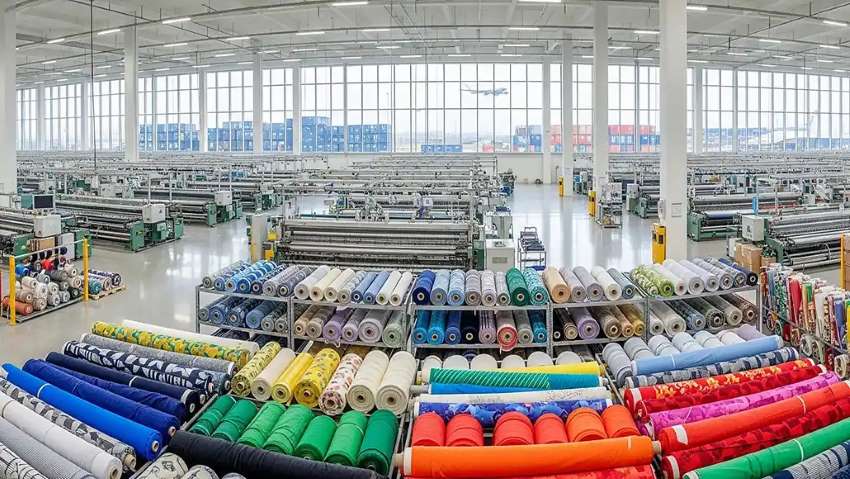
Indore is known in the country for garments and cloths that are supplied to states such as Karnataka, Tamil Nadu, Rajasthan, Gujarat and Maharashtra. Annual sales of garments and clothes from Indore are worth Rs 1,000 crores. There are a number of textile mills in the region and Indore is the bastion of wholesale garments. There are a number of firms involved in the export of textiles and such business firms contribute a lot to Indore’s economy.
- 1
- 2
- 3
- 4
- 5
- 6
- 7
- 8
- 9
- 10
The £7 Billion Question: Who pays for fashion’s ‘free rental’ habit?
The global fashion industry is facing an uncomfortable paradox: its most valuable customers may also be its most destructive. A... Read more
India, China Bangladesh face fresh headwinds as global apparel markets rebalance
Global apparel trade is entering a more uneven recovery phase, with demand growth persisting but losing uniform momentum across major... Read more
Global cotton enters a deficit year in 2026 as supply drop meets logistics risk
The global cotton economy has entered a fragile and sensitive phase. Early projections for the 2026-27 season suggest that world... Read more
India’s textile trade gets a Pacific push as New Zealand FTA removes tariff barr…
India and New Zealand have inked a ‘once-in-a-generation’ Free Trade Agreement (FTA), one that will have a profound impact on... Read more
Lululemon’s world-first nylon circularity push signals a new apparel arms race
The global apparel industry’s circularity narrative is entering a more technically demanding phase. Polyester recycling once the flagship of sustainable... Read more
Beyond the DTC Rush: Levi’s hybrid channel strategy sets a new retail benchmark
The global apparel sector is entering a phase where channel strategy is no longer a tactical lever but a core... Read more
The New Rules of Resale: EPR turning secondhand into fashion’s strategic growth …
The global fashion industry is facing a decisive regulatory and commercial reset. What began as a sustainability narrative around reuse... Read more
The 2027 Mandate: Why denim’s future hinges on verifiable data
For decades, the global denim industry has relied on a narrative of durability, heritage, and authenticity. That narrative is now... Read more
Europe’s textile core unravels as costs, imports and policy pressure bite
Europe’s textile and apparel sector, long seen as a benchmark for craftsmanship and industrial depth, is slipping into a prolonged... Read more
Automation, innovation, regulation are the forces shaping textiles in 2026
The global textile sector has entered a new era. Early 2026 saw the industry breach a $1.06 trillion valuation, reflecting... Read more