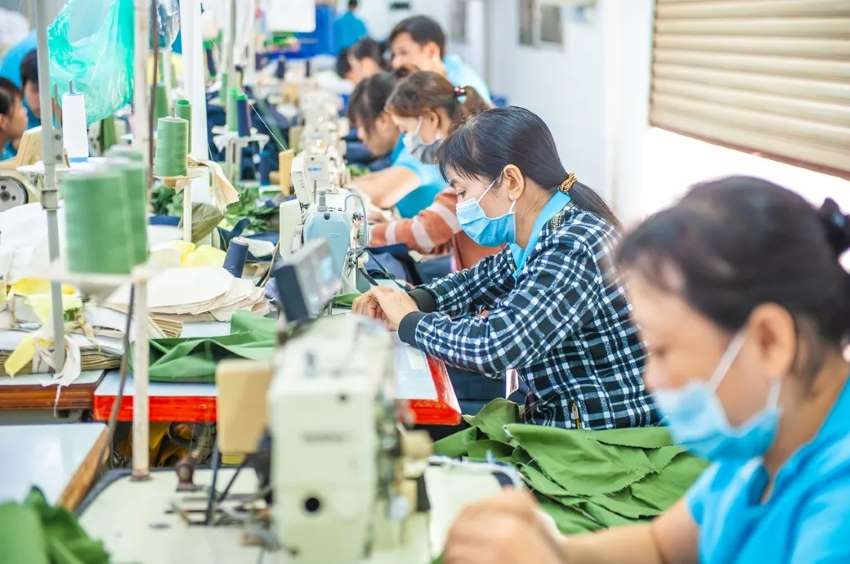
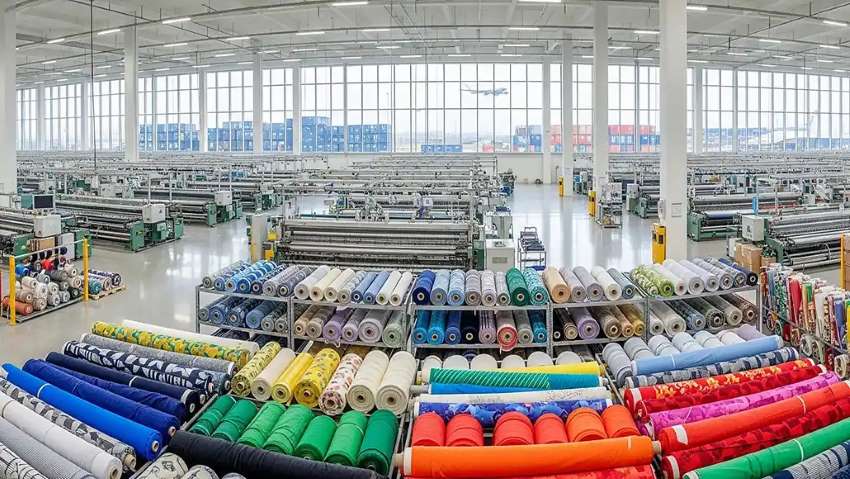
Vietnamese apparel companies have been working hard this year to fulfill orders in order to reach the target of $47 billion in exports, thanks to the benefits of free trade agreements. They also plan to invest in modern technology to increase efficiency and boost worker incomes.
However, global apparel demand is expected to decrease by nearly 5 per cent annually this year, resulting in a decrease of 25-27 per cent in orders. Major importers of Vietnamese apparel, including the US, China, and South Korea, have shown signs of lower demand since October 2022. Meanwhile, the European Union and Japan have maintained positive growth, albeit at a lower rate than previous months.
In order to achieve sustainable development, Vietnam Textile and Apparel Association (VITAS) intends that the sector will continue to call for investment in the material supply chain, building sales solutions, and developing automation, digital governance, a transparent business environment, and a high-quality workforce.
The sector faces intense competition from Bangladesh, India, and Indonesia, particularly in products with simple designs. Despite this competition, the sector can still produce mid and high-end products, which is one of its advantages to boost exports. However, it is expected that 30-35 per cent of apparel makers will suffer from a shortage of orders, while the remainder will face price pressure.
Domestic textile firms have suggested that the State adjust policies and mechanisms flexibly, particularly those related to credit and foreign exchange rates, in order to improve their competitiveness.