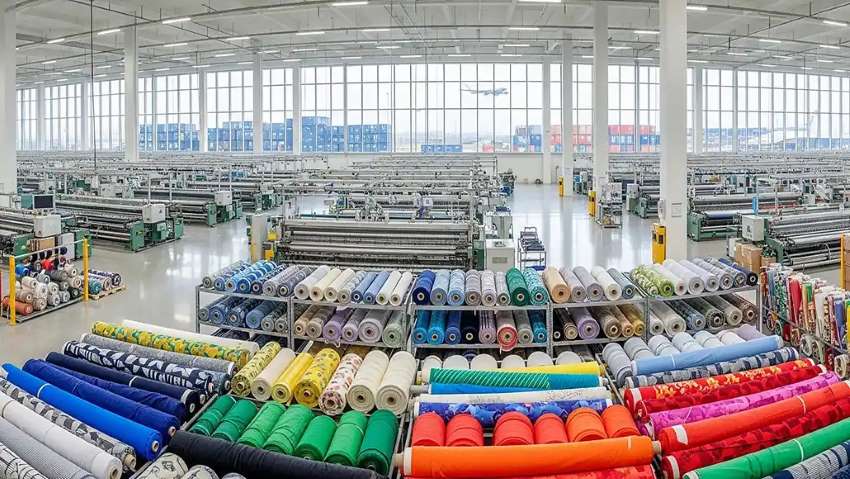
In collaboration with HSBC Innovation Banking, the UK Fashion & Textile Association (UKFT) hosted a landmark Textile Innovation Showcase in London on April 27, 2026. This strategic intervention targeted a critical bottleneck in the British textile value chain: the transition from laboratory breakthroughs to commercial-grade manufacturing. With the UK sustainable fashion market projected to grow to over $1.7 billion by 2033 at a CAGR of 23.6 per cent, the focus has shifted from experimental science to industrial scalability. The event prioritized climate-positive solutions, including biomaterials and chemical recycling technologies capable of processing complex fiber blends - the final hurdle for a truly circular production model.
Strategic alignment of capital and capacity
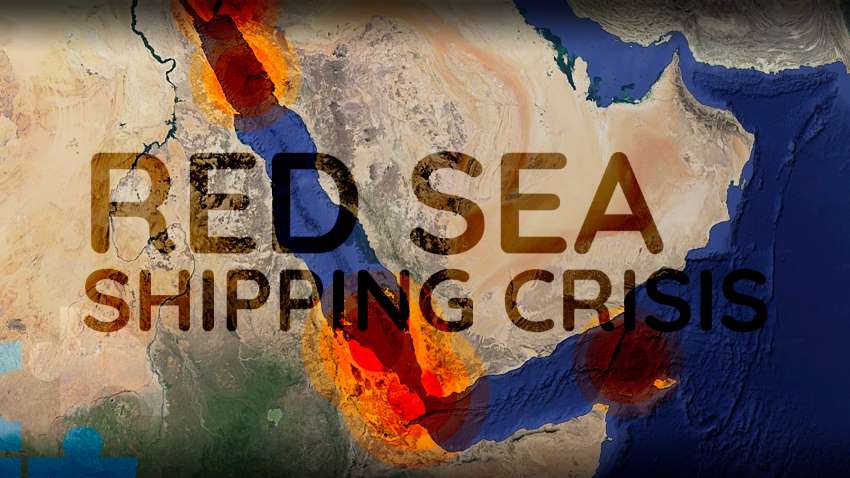
A central theme of the 2026 showcase was the ‘risk appetite’ of major brands and the necessity of aligning investor timelines with the capital-intensive nature of textile machinery. While UK fashion retailing revenue is expected to reach £50 billion this year, manufacturers face high energy costs and a logistics landscape where freight volatility remains a constant threat. To mitigate these pressures, the UKFT-HSBC partnership is promoting localized ‘smart factories’ that utilize predictive analytics and on-demand production. By reducing reliance on long, high-carbon global supply chains, these initiatives aim to rebuild the UK’s manufacturing skills, particularly in regional hubs like Manchester, which are re-emerging as centers for low-carbon garment construction.
Data-driven resilience and regulatory readiness
The roadmap to 2030 requires a doubling down on transparency and digital integration. Industry leaders at the showcase highlighted the increasing role of the UKFT Regulation Summit in preparing firms for the stringent circularity standards appearing across the EU and US. Businesses are now integrating AI for automated defect detection and predictive quality control to minimize waste. This shift toward ‘textile-to-textile’ recycling is no longer a niche sustainability goal but a core operational requirement. As the industry integrates these technologies, the focus remains on ensuring that UK-made textiles are defined by engineering precision and ethical traceability, securing a competitive edge in an increasingly regulated global market.
Industrial textile leadership
UKFT is the primary trade body for the UK fashion and textile industry, providing a unified voice for designers, manufacturers, and retailers. It supports domestic production and international exports, representing thousands of businesses across apparel, technical textiles, and luxury footwear. Founded through the merger of multiple trade associations, UKFT now leads national innovation projects and sustainability advocacy to secure the sector's future.