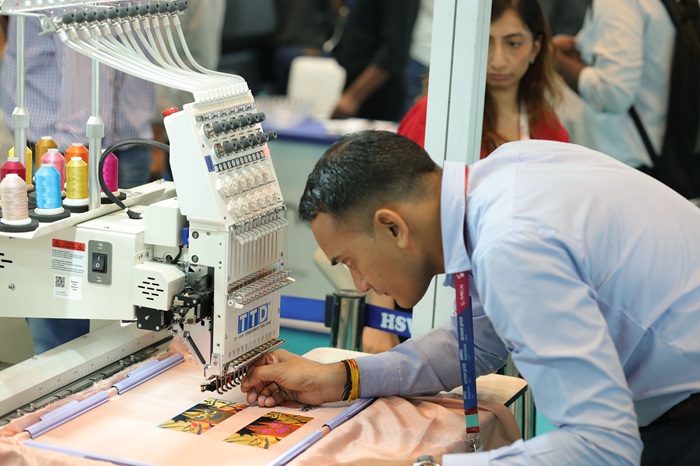
Vietnam’s textile and apparel sector has set an ambitious export turnover target of $50 billion for 2026, a strategic leap from the $46 billion recorded in 2025. Announced by the Vietnam Textile and Apparel Association (VITAS), this objective is underpinned by a massive restructuring of domestic supply chains and the aggressive utilization of new-generation Free Trade Agreements (FTAs) like the CPTPP and EVFTA. Central to this momentum is the upcoming SaigonTex – SaigonFabric 2026 expo, scheduled for April 8-11 in Ho Chi Minh City. The event is expected to host over 1,000 enterprises from 22 nations, serving as a critical hub for high-tech integration.
Transitioning from contract assembly to high-value ODM
The industry is pivoting from simple cut-make-trim (CMT) services towards higher-value Original Design Manufacturing (ODM). This shift is essential to mitigate rising logistics costs -which increased by up to 50 per cent in early 2026 due to Red Sea disruptions- and to meet the EU’s strict Carbon Border Adjustment Mechanism (CBAM). 2026 is the year where 'greening' and 'digitalization' stop being guidelines and become survival mandates, notes a senior VITAS official. A primary focus at this year’s trade summits is the ‘Made in Vietnam’ Hub, which connects global buyers with local suppliers capable of meeting international traceability standards.
Technology-driven resilience amid global headwinds
Investment in automation is accelerating to counter labor shortages and increasing wage pressures. Case studies from leading firms like Viet Tien highlight a move toward vertically integrated manufacturing, allowing for more agile ‘low-minimum order quantity’ (MOQ) models. These innovations, alongside AI-powered quality control systems, are designed to protect margins as the industry navigates a 15–16 per cent projected growth rate. By securing a 20.6 per cent share of the US apparel import market, Vietnam is successfully positioning itself as the primary alternative for brands diversifying away from traditional sourcing hubs.
The Vietnamese textile industry is the world’s third-largest garment exporter, focusing on the US, EU, and Japanese markets. Moving toward a circular economy model, the sector aims for a 10 per cent GDP contribution by late 2026 through increased localization of raw materials and state-backed interest subsidies for green technology upgrades.