The launch of the world’s first China-Europe Digital Product Passport (DPP) on March 26, 2026, marks a structural shift in global textile transparency. Developed through a collaboration between the National Advanced Functional Fiber Innovation Center (NAFFIC) and Dutch platform AWARE, this ‘digital twin’ provides irrefutable proof of a product's journey from a recycled bottle in China to a finished garment. Unlike traditional self-reported sustainability claims, this system utilizes public blockchain technology to record every transaction, from feedstock verification via NAFFIC’s Sustainable Textiles Credible Platform to the final spinning and weaving stages. This infrastructure is specifically designed to meet the European Union's Ecodesign for Sustainable Products Regulation (ESPR), which mandates such transparency starting in 2027.
Empowering manufacturers in a regulated landscape
This partnership inverts the traditional top-down supply chain dynamic where Western brands dictated terms to Asian producers. By owning and tokenizing their production data, Chinese manufacturers can now provide ‘regulation-ready’ proof to global buyers, effectively turning compliance into a tradable asset. The system generates a ‘Crypto TC’ - the first blockchain-issued transaction certificate - eliminating the administrative delays and third-party fees associated with manual audits. The data does not exist in brand head offices; it is created in factories, notes Feico van der Veen, Founder, AWARE. This transparency is essential as large enterprises face an April 2026 ban on destroying unsold textiles, requiring higher inventory accuracy and better demand forecasting.
Strategic sourcing and circularity metrics
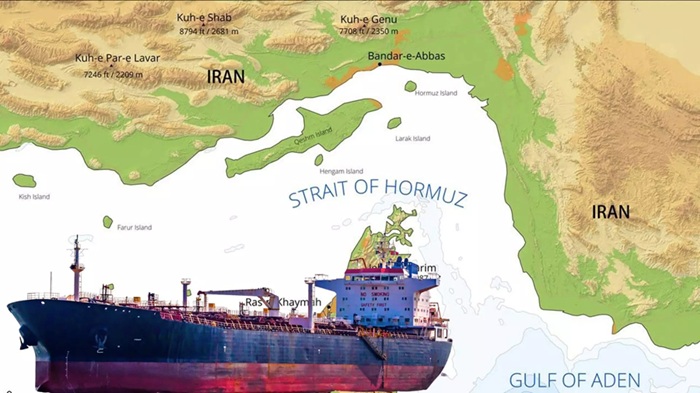
The integration of physical tracers and digital tokens allows for real-time carbon footprint calculations and automated impact reports based on verified production data rather than industry averages. A notable case study involves the recycled polyester chain from Jiangsu Reborn Eco-Tech, where the DPP verified a 63 per cent reduction in carbon emissions compared to virgin alternatives. For regional hubs like Suzhou, this technology offers a critical competitive advantage, enabling producers to navigate West Asia logistics diversions and raw material cost pressures by proving the premium value of their traceable, low-carbon materials to an increasingly eco-conscious European market.
Infrastructure overview: NAFFIC and AWARE
The National Advanced Functional Fiber Innovation Center (NAFFIC) is a Chinese state-level innovation hub focusing on advanced fiber technologies. AWARE is a Dutch phygital traceability platform using blockchain and tracers. Together, they offer end-to-end transparency for global textile markets, targeting double-digit growth as mandatory EU DPP regulations roll out through 2030.