Supported by the Government of Japan, the International Labour Organization (ILO) launched a one-year initiative on March 26, 2026 to institutionalize climate resilience within Ethiopia’s leather and garment sectors. Operating under the ‘Siraye’ program, the project targets 40 factories across Hawassa, Addis Ababa, Adama, Dukem, and Kombolcha. By integrating Japanese expertise in energy efficiency and ‘Kaizen’ continuous improvement, the initiative aims to stabilize a workforce that is 80 per cent female. This structural reinforcement is critical as East African manufacturing hubs face mounting operational downtime from heat stress and resource scarcity, which industry data suggests can reduce annual output by up to 15 per cent.
Digital oversight and regulatory alignment
The program introduces digitalized Occupational Safety and Health (OSH) tools to monitor climate-related risks, such as factory floor ventilation and heat stress, in real time. This data-driven approach directly addresses the tightening requirements of the EU’s 2027 Ecodesign for Sustainable Products Regulation (ESPR), which mandates full material and environmental traceability. For Ethiopian exporters, providing verified, low-carbon production data offers a decisive competitive advantage in the European market. A notable pilot within the program involves retrofitting tanneries with closed-loop chemical systems, a move projected to reduce hazardous waste discharge by 40 per cent while proving the premium value of traceable Ethiopian leather.
Navigating global trade and workforce inclusion
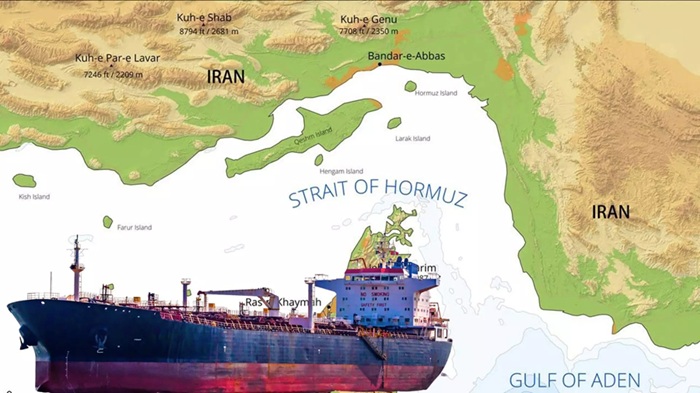
Beyond technical upgrades, the initiative features a Women’s Leadership Development Program (WLDP) to equip female workers with supervisory skills, fostering more inclusive and stable industrial environments. This focus on social governance is essential as global brands transition toward ‘drop-model’ retail, requiring high-velocity and ethical supply chains. By aligning Ethiopian manufacturing with international ESG benchmarks, the ILO-Japan partnership seeks to hedge against West Asia logistics diversions and raw material price volatility. The program’s success will serve as a blueprint for transforming traditional industrial parks into modern, climate-adaptive ecosystems capable of maintaining high-margin export growth through 2030.
Ethiopia’s industrial ambitions
The ILO Ethiopia program promotes sustainable growth in the nation’s textile and leather exports, which contribute 17 per cent of manufacturing output. Targeting the US and EU markets, the initiative focuses on ESG-compliant production to meet double-digit growth targets. This build-out leverages Ethiopia's 19.3-year median age and expanding renewable energy capacity, now exceeding 8,000 MW.