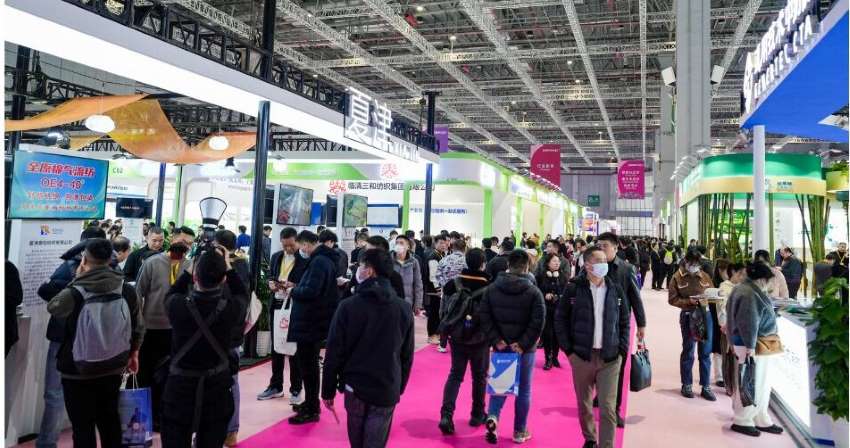
Uzbekistan is intensifying its push into the Middle Eastern apparel market, formalized through a high-level cooperation agreement with the Dubai Textile Merchants Association (TEXMAS). This partnership is designed to transform the UAE into a primary distribution gateway for Uzbek textile manufacturers, granting domestic producers access to critical infrastructure within Dubai Textile City. By securing dedicated commercial and warehouse facilities, Tashkent aims to bypass traditional logistical bottlenecks and establish a consistent, professional presence for its cotton-to-garment value chain. The collaboration focuses on facilitating direct B2B engagement and exploring private-label manufacturing opportunities, effectively allowing Uzbek factories to integrate directly into the supply chains of established UAE-based international brands.
Value chain upgrading and export ambitions
The initiative aligns with Uzbekistan's ambitious 2026 export target of $3.3 billion to $4.0 billion. With textile exports reaching nearly $740 million in Q1, FY26 - a 17.6 per cent increase Y-o-Y- the government is aggressively promoting the ‘Made in Uzbekistan’ brand. Recent industrial reforms have enabled local clusters to move beyond raw commodity trade, focusing increasingly on finished apparel and high-value textiles. According to industry analysts, this shift is critical for offsetting rising energy costs and mitigating fluctuations in global yarn prices. By leveraging Dubai’s status as a regional trading nexus, Uzbek manufacturers expect to elevate their market competitiveness, ensuring sustained growth through diversified trade corridors and deepened international manufacturing partnerships.
Focus on value-added exports and FDI
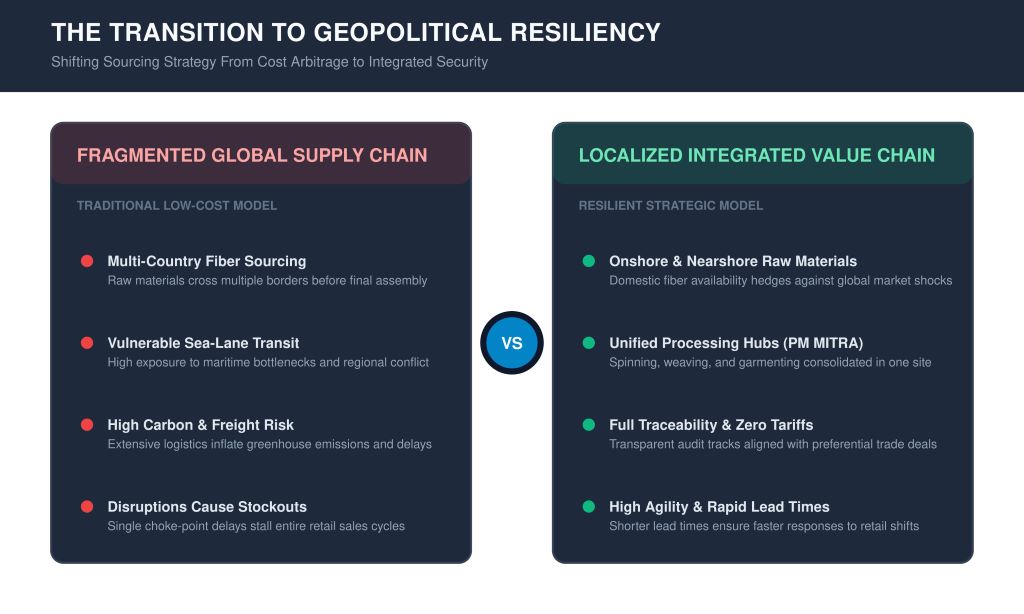
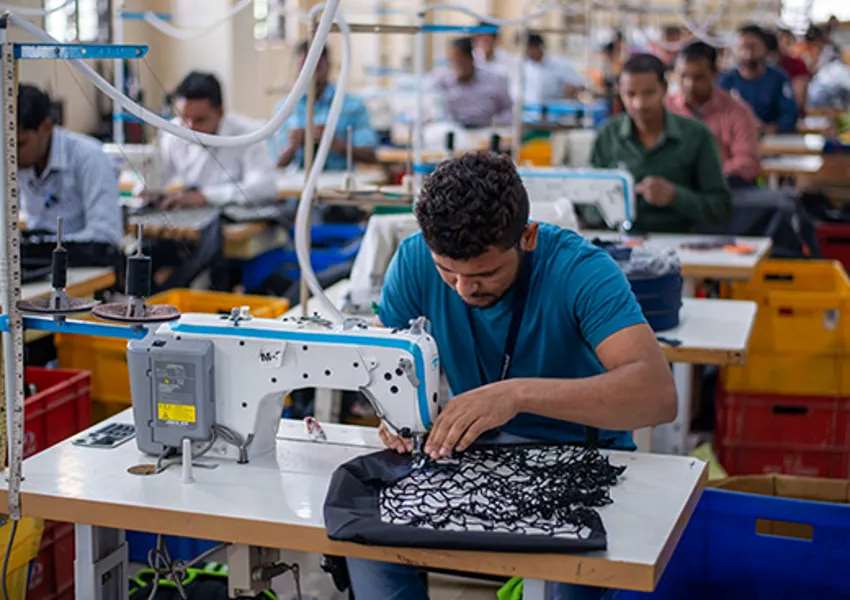
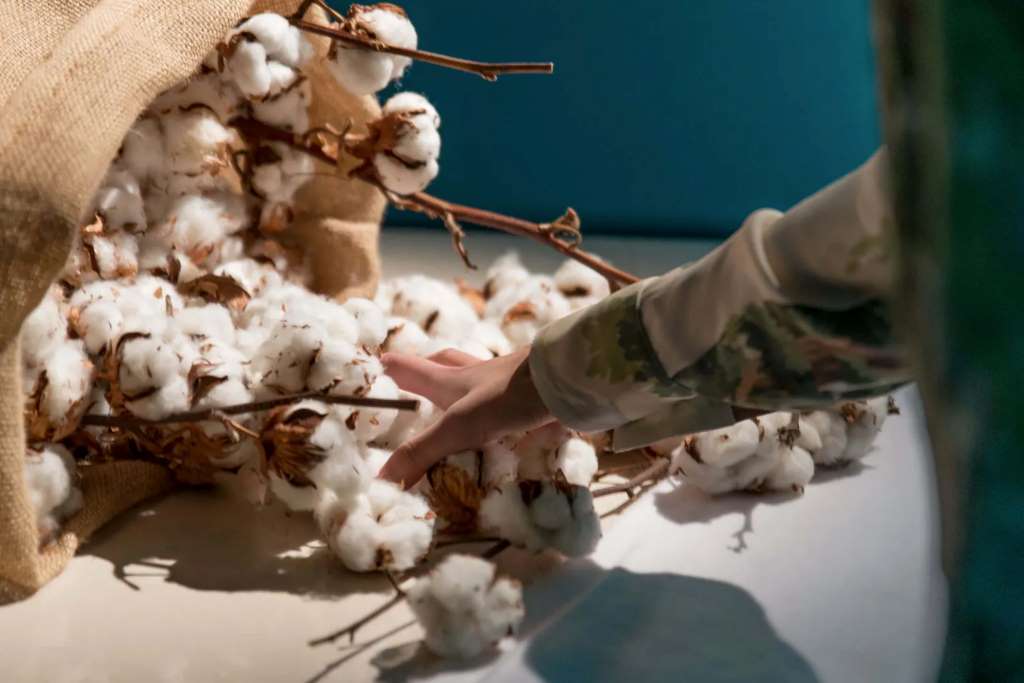
Uzbekistan possesses a robust, vertically integrated textile sector, managing the entire process from cotton cultivation to finished apparel production. Its primary product categories include yarn, fabric, and ready-to-wear garments. The industry is currently prioritizing value-added exports and foreign investment, targeting synthetic and blended textile growth. Following comprehensive sector reforms - including the elimination of systemic forced labor - the country has seen improved access to Western markets and increased production efficiency. The government remains focused on strengthening international trade partnerships to sustain its long-term industrial output and economic stability.