Retailers in the US, like Macy’s and Kohl’s, have sought new partnerships and other tie-ups to appeal to shoppers. Last year, Kohl’s, for instance, has expanded to about 100 stores where Amazon customers can return their Amazon-bought items to Kohl’s to be packaged and shipped back for free.
Kohl’s is also looking at downsizing its store size of an average of about 90,000 sq ft to about 60,000 sq ft with the remaining space to be leased to fitness centers or other retailers. The point is to have a neighbor who will drive traffic for the retailer.
On its part, Macy’s will be much more aggressive in its lease models and feature restaurants and other categories that revolve around the way customers live and shop. Macy’s has also taken a stake in Silicon Valley start-up b8ta, which features different online upstart brands and major labels like Sony at its locations, including an in-store boutique at Macy's New York flagship. b8ta, which drives traffic and sales by regularly featuring new brands and by allowing customers to try and interact with products in out-of-box-setting, is also using its technology to expand The Market at Macy's pop-up shop concept.
Macy's this year also bought Story, famous for its New York shop that hosts different brands with unique themes.
- 1
- 2
- 3
- 4
- 5
- 6
- 7
- 8
- 9
- 10
Polyester volatility redraws India’s textile industry competitive map across Asi…
India’s synthetic textile industry has entered a phase of cost instability as polyester staple fibre (PSF) prices rise across domestic... Read more
The £7 Billion Question: Who pays for fashion’s ‘free rental’ habit?
The global fashion industry is facing an uncomfortable paradox: its most valuable customers may also be its most destructive. A... Read more
India, China Bangladesh face fresh headwinds as global apparel markets rebalance
Global apparel trade is entering a more uneven recovery phase, with demand growth persisting but losing uniform momentum across major... Read more
Global cotton enters a deficit year in 2026 as supply drop meets logistics risk
The global cotton economy has entered a fragile and sensitive phase. Early projections for the 2026-27 season suggest that world... Read more
India’s textile trade gets a Pacific push as New Zealand FTA removes tariff barr…
India and New Zealand have inked a ‘once-in-a-generation’ Free Trade Agreement (FTA), one that will have a profound impact on... Read more
Lululemon’s world-first nylon circularity push signals a new apparel arms race
The global apparel industry’s circularity narrative is entering a more technically demanding phase. Polyester recycling once the flagship of sustainable... Read more
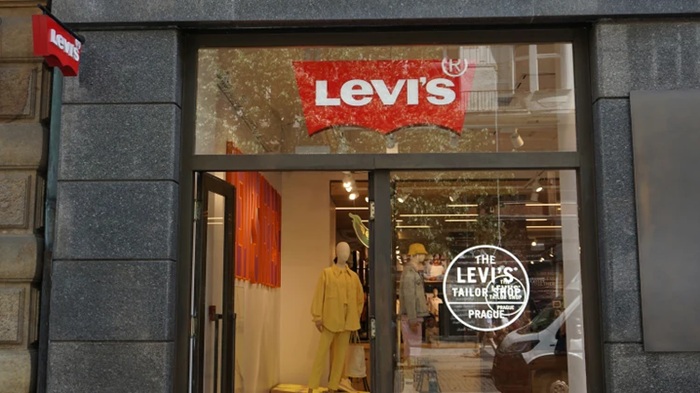
Beyond the DTC Rush: Levi’s hybrid channel strategy sets a new retail benchmark
The global apparel sector is entering a phase where channel strategy is no longer a tactical lever but a core... Read more
The New Rules of Resale: EPR turning secondhand into fashion’s strategic growth …
The global fashion industry is facing a decisive regulatory and commercial reset. What began as a sustainability narrative around reuse... Read more
The 2027 Mandate: Why denim’s future hinges on verifiable data
For decades, the global denim industry has relied on a narrative of durability, heritage, and authenticity. That narrative is now... Read more
Europe’s textile core unravels as costs, imports and policy pressure bite
Europe’s textile and apparel sector, long seen as a benchmark for craftsmanship and industrial depth, is slipping into a prolonged... Read more