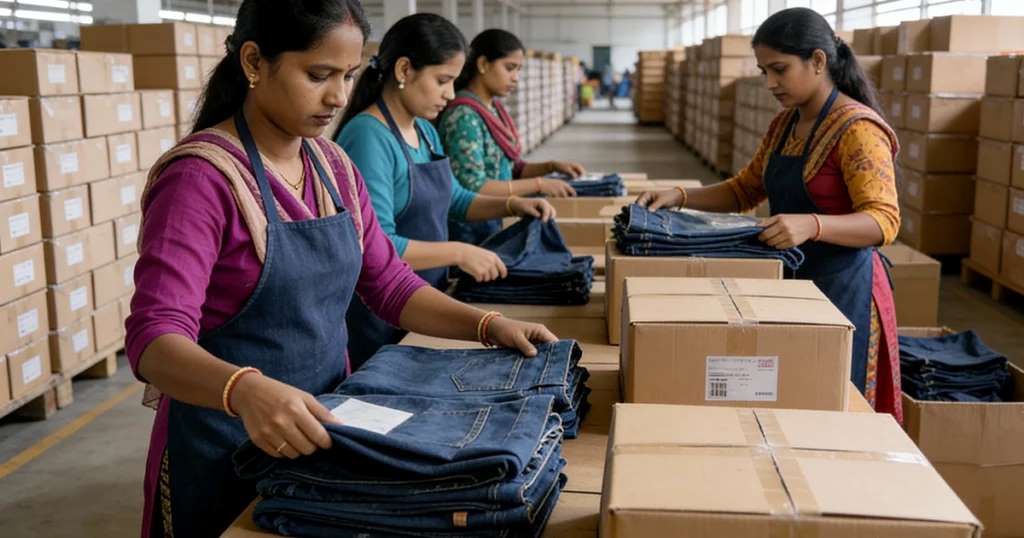
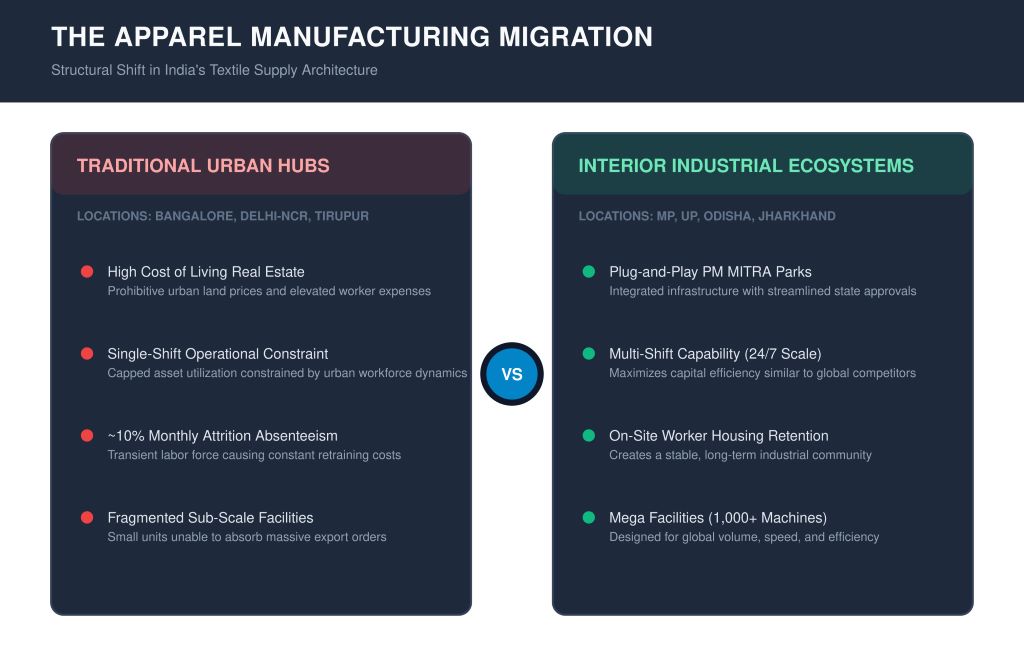
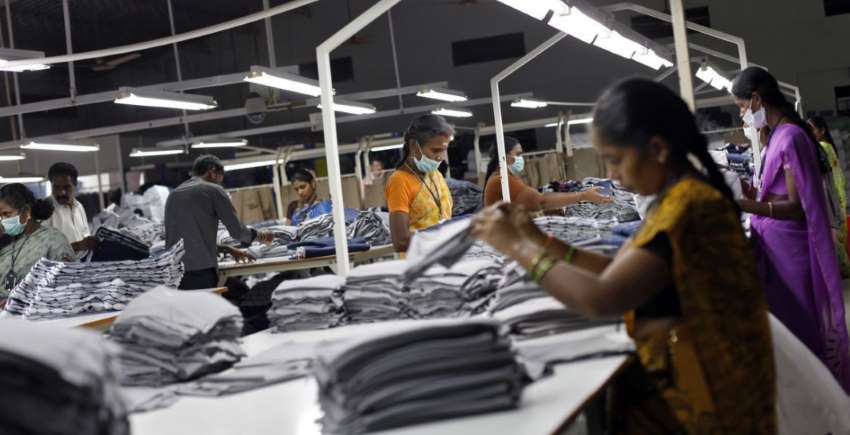
The integration rate of Bangladeshi RMG within United States fashion portfolios declined to 78.9 per cent from 88.2 per cent during the preceding year. According to the latest findings from the annual industry benchmarking study published by the US Fashion Industry Association, international retail buyers are systematically recalibrating their vendor ecosystems. Rather than depending heavily on consolidated production hubs, major apparel corporations are intentionally distributing procurement orders across multiple geographical regions to safeguard inventory agility and buffer against unexpected supply chain disruptions.
Operational bottlenecks limit flexibility
While the South Asian nation retains its competitive edge in cost-efficient, large-scale production of basic apparel lines, persistent structural hurdles continue to restrict its capture of high-margin seasonal orders. The latest trade data indicates, speed-to-market constraints and extended lead times remain significant operational deterrents for western buyers demanding rapid inventory replenishment. Global brands require versatile manufacturing partners who can seamlessly accommodate smaller, specialized production runs alongside massive volume commitments, notes Thomas Carter, Senior International Trade Analyst observing South Asian textile corridors. Despite these utilization adjustments, the region remains a primary expansion target for future procurement, provided local infrastructure bottlenecks and compliance metrics see accelerated improvement.
Cornerstone of national export economy
The Bangladesh RMG sector serves as the cornerstone of the national export economy, supplying mass-market apparel to major international retail brands across the United States and European Union. The manufacturing network primarily specializes in high-volume knitwear and woven categories, driving substantial employment and long-term industrial growth.